 Specialty Casters
Gate Casters
BBQ Pit & Smoker Casters
Keyed Drive Wheels
Drywall Cart Casters
Skid Wheels & Casters for RVs
Leveling Casters
Shopping Cart Wheels & Casters
Band Equipment Casters & Wheels
Low Profile Casters
Cart Wheels & Casters
Toolbox Caster Sets
Bakery Oven Rack Casters
Kitchen Prep Table Caster Sets
Wire Shelving Casters
Silent Glide Casters


Rubber and polyurethane favor floor protection; phenolic and steel favor heavy capacity. Compare materials →


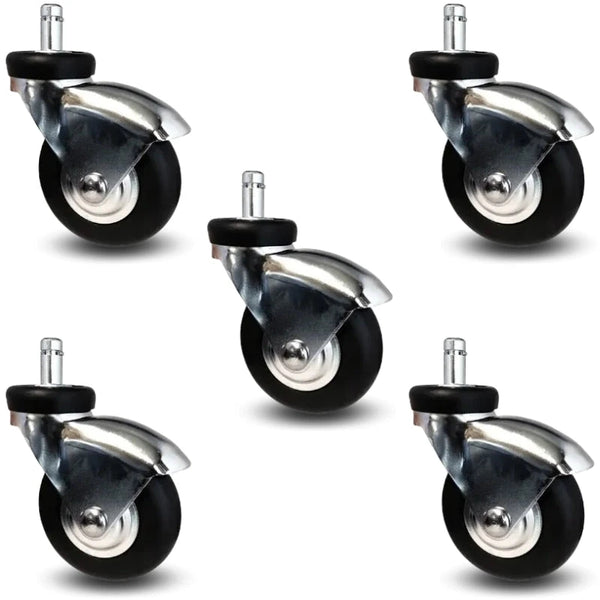
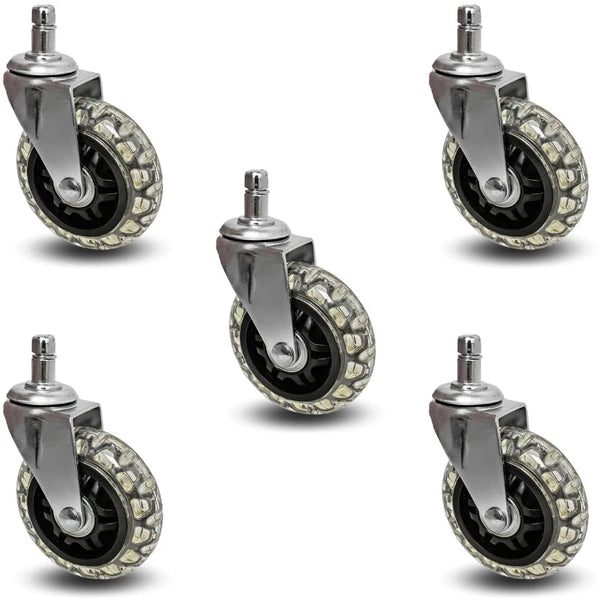
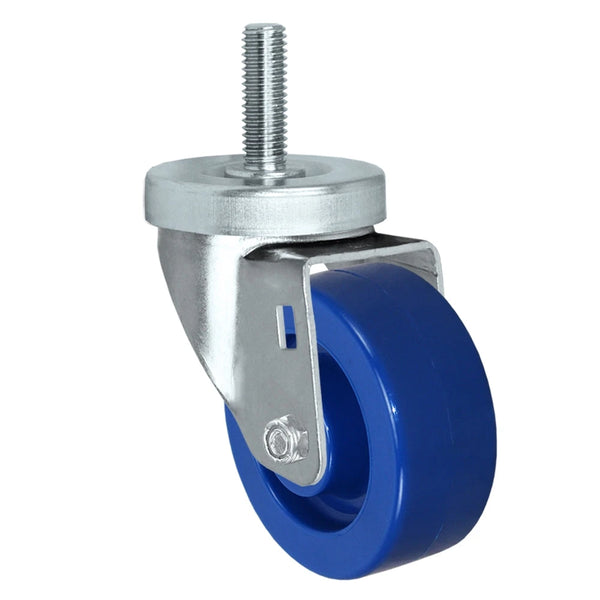
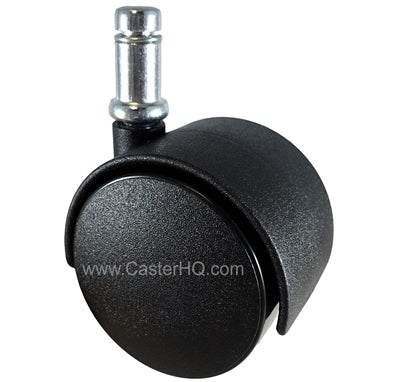
Light duty casters for carts, displays, fixtures and lab and medical equipment, mostly rated 90 to 350 lb each. Polyurethane, gray rubber, soft TPR, polyolefin, nylon and phenolic wheels on plate, threaded stem, grip ring and expanding adapter mounts.


| Band | Per caster | Notes |
|---|---|---|
| Typical institutional | About 90 to 350 lb | Most chair / stand / light cart work |
| Verified full span | About 60 to 2,000 lb | Includes specialty thermoplastic highs |
Admin ACTIVE scan casters-light-duty, October 26, 2026 (~1,119 ACTIVE; title min 60 / max 2,000) [S1].
No. Older meta said "to 300 lb." Verified active titles reach about 2,000 lb. Size from the listing you pick; most chair work stays under about 350 lb each.
When corner loads push past the listing rating, or when the cart sees continuous industrial abuse. Use the medium heavy-duty hub next.