 Specialty Casters
Gate Casters
BBQ Pit & Smoker Casters
Keyed Drive Wheels
Drywall Cart Casters
Skid Wheels & Casters for RVs
Leveling Casters
Shopping Cart Wheels & Casters
Band Equipment Casters & Wheels
Low Profile Casters
Cart Wheels & Casters
Toolbox Caster Sets
Bakery Oven Rack Casters
Kitchen Prep Table Caster Sets
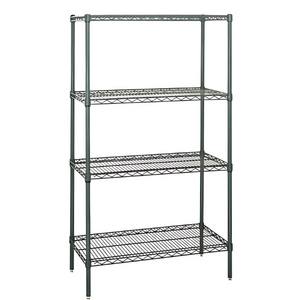
Wire Shelving Casters
Silent Glide Casters
Specialty Casters
Gate Casters
BBQ Pit & Smoker Casters
Keyed Drive Wheels
Drywall Cart Casters
Skid Wheels & Casters for RVs
Leveling Casters
Shopping Cart Wheels & Casters
Band Equipment Casters & Wheels
Low Profile Casters
Cart Wheels & Casters
Toolbox Caster Sets
Bakery Oven Rack Casters
Kitchen Prep Table Caster Sets
Wire Shelving Casters
Silent Glide Casters


Wheel = wheel diameter · capacity is per caster.


Caster parts and accessories — replacement brackets, frames, axles, stems, bumpers, shims, weld plates, swivel locks, washers, spanner bushings, and mounting hardware. The complete parts inventory for replacing worn or damaged caster components. 107 SKUs in stock at our Mansfield, TX facility.


Caster parts are individual components that go into a complete caster — the frame, the wheel, the stem, the axle, the bearings, the brake, the mounting hardware.
Common failures: wheel tread worn (replace wheel), bearing seized (replace wheel), bracket bent (replace frame), stem stripped (replace stem).
Most caster hardware uses 3/8-16 or 1/2-13 thread. Stems are 7/16, 5/16, 3/8, 1/2, or metric.
For known brands you can buy OEM-spec parts. For generic casters, match by size/spec rather than brand.
If multiple parts have failed, a complete new caster is often cheaper than buying 3-4 parts separately.
Need help? Contact CasterHQ for application support.
CasterHQ stocks 107 configurations at our Mansfield, TX facility. 99 percent ship same or next business day.
Brackets, frames, axles, stems, bumpers, shims, weld plates, swivel locks, washers, spanner bushings, and mounting hardware.
Yes for partial rebuilds. For severely damaged frames, a complete caster replacement is usually more cost-effective.
3/8-16 and 1/2-13 are most common. Axle bolts typically 5/16. Match existing hardware.
Yes for Hamilton, Albion, Colson, and major brands.
99 percent same or next business day from Mansfield TX.
Yes - send a photo and dimensions.