 Specialty Casters
Gate Casters
BBQ Pit & Smoker Casters
Keyed Drive Wheels
Drywall Cart Casters
Skid Wheels & Casters for RVs
Leveling Casters
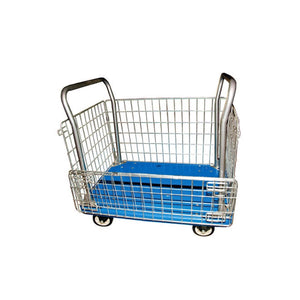
Shopping Cart Wheels & Casters
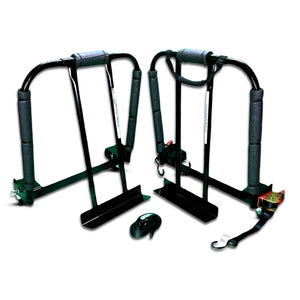
Band Equipment Casters & Wheels
Low Profile Casters
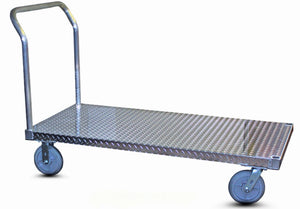
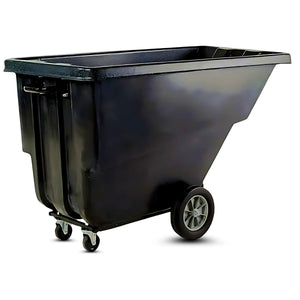
Cart Wheels & Casters
Toolbox Caster Sets
Bakery Oven Rack Casters
Kitchen Prep Table Caster Sets
Wire Shelving Casters
Silent Glide Casters
Specialty Casters
Gate Casters
BBQ Pit & Smoker Casters
Keyed Drive Wheels
Drywall Cart Casters
Skid Wheels & Casters for RVs
Leveling Casters
Shopping Cart Wheels & Casters
Band Equipment Casters & Wheels
Low Profile Casters
Cart Wheels & Casters
Toolbox Caster Sets
Bakery Oven Rack Casters
Kitchen Prep Table Caster Sets
Wire Shelving Casters
Silent Glide Casters


Free Caster Engineering Tools
Sizing your casters right is the difference between a 6-month replacement and a 5-year service life. These engineer-built calculators apply the same N-1 load method, push-force formulas, and wheel-material logic our application engineers use to spec custom OEM builds — free, no signup.
Free, no signup · Engineer help at 844-439-4335
Pick your specs, see the caster in 3D, and download the STEP file. Free 3D CAD on 5,600+ casters you can buy today. No login, no email.
Open the CAD Builder →Sizing & Selection Calculators
From quick load math to complete spec generation. Every tool is free, engineer-built, and returns results you can hand straight to procurement.
Load Rating = (Total Cart Weight ÷ 3) × 1.25. Apply N-1 method + dynamic safety factor for industrial applications.
Open Calculator →Estimate the force to push a loaded cart and see which wheel, bearing and size changes cut it.
Open Calculator →Compare current vs premium caster spec on parts, replacement labor, and downtime. Get payback period and 3-year savings.
Open Calculator →Compare every wheel compound side by side: durometer, capacity, floor, and temperature.
Open Reference →Turn an application into a complete printable caster spec and quote request.
Open Builder →Point load and bearing pressure vs slab, mezzanine, and raised-floor limits.
Open Calculator →Right wheel, rig, and bearing for heat, steam, and chemical exposure.
Open Selector →Real working capacity after speed, heat, shock, and continuous duty.
Open Calculator →Force to push a load up a grade and the brake holding force needed.
Open Calculator →Tip-over risk, critical turn speed, and wheelbase from load and CoG.
Open Calculator →Match a measured top plate to the standard size and replacement caster.
Open Tool →Which standards apply by application: NSF, ESD, MIL-spec, IEC and ANSI/ICWM.
Open Selector →Size wheels for mobile robots by payload, speed, and continuous duty.
Open Tool →Match wheel diameter to floor condition + obstacle clearance. Larger diameter = smoother roll over thresholds.
Open Calculator →Polyurethane vs rubber vs phenolic vs cast iron — pick the right material for your floor, load, and environment.
Open Selector →Plan 4-caster, 6-caster, or specialty layouts. Position rigid + swivel for tracking, turning, and load distribution.
Open Tool →Filter our casters by load, mount, wheel, brake and material, then jump to matching products.
Open Finder →Diagnose why your caster failed (kingpin shear, wheel deformation, bearing seizure, brake slip). Get root-cause analysis + replacement spec.
Diagnose Failure →Need to replace a worn caster? Upload photos or enter what you can measure, and we match it to one we stock.
Find a Replacement →Have a part number from another maker? Look up the CasterHQ equivalent by series.
Open Cross-Reference →STEP files download instantly in the CAD Builder. Need IGES, DXF or a part that isn't there yet? Ask here.
Request Other Formats →Engineer-Written Guides
Reference content for engineers, procurement, and maintenance teams. Written by the same people who size OEM builds.
Edge Cases
Most standard applications fit the calculators. For custom builds, unusual loads, or one-off specs, talk to an engineer. We review it within 4 business hours.