 Specialty Casters
Gate Casters
BBQ Pit & Smoker Casters
Keyed Drive Wheels
Drywall Cart Casters
Skid Wheels & Casters for RVs
Leveling Casters
Shopping Cart Wheels & Casters
Band Equipment Casters & Wheels
Low Profile Casters
Cart Wheels & Casters
Toolbox Caster Sets
Bakery Oven Rack Casters
Kitchen Prep Table Caster Sets
Wire Shelving Casters
Silent Glide Casters


Rubber and polyurethane favor floor protection; phenolic and steel favor heavy capacity. Compare materials →


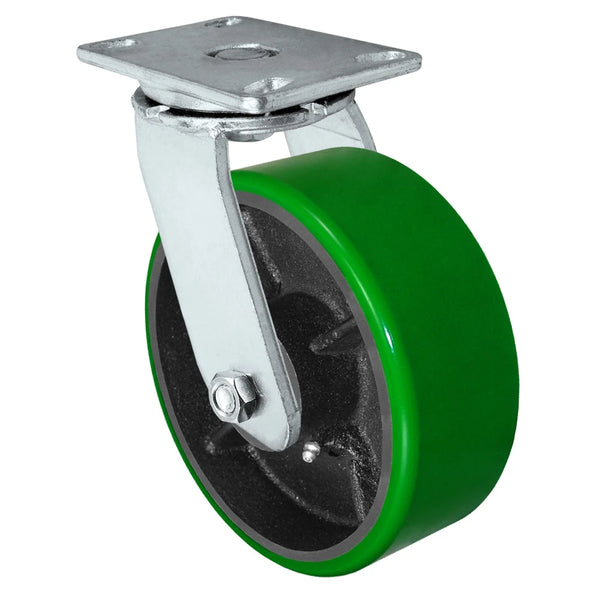
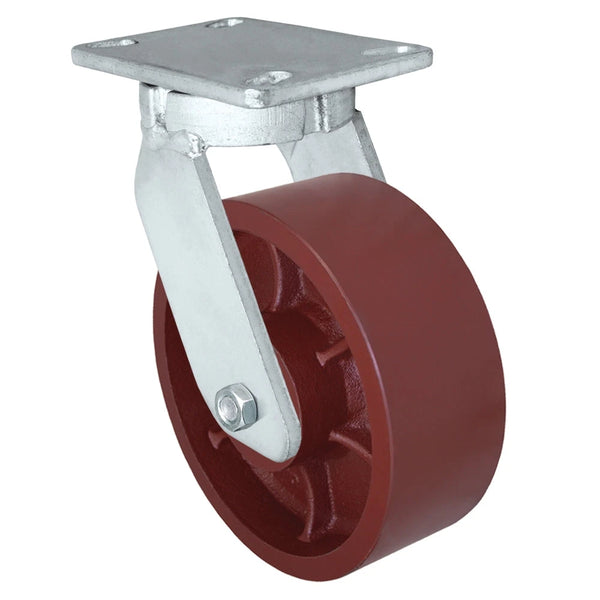
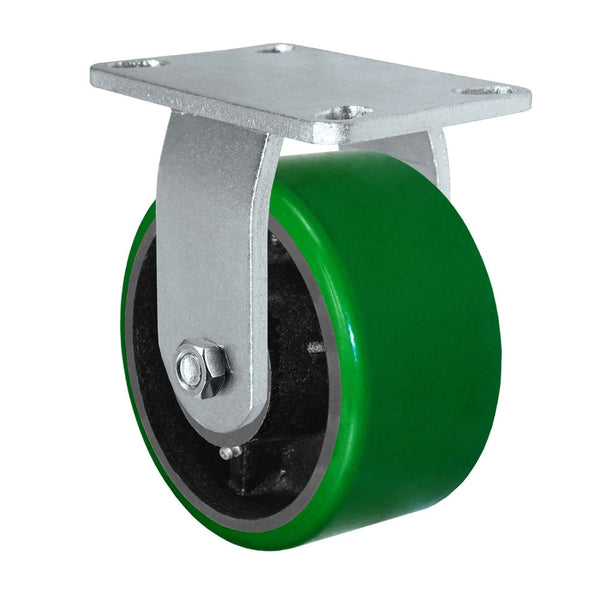
8 x 3 in casters and wheels in polyurethane, cast iron and steel, 8 in wheels, rated 620 to 11,000 lb per caster.
| Band | Rating | Notes |
|---|---|---|
| Complete 8 x 3 casters | About 250 to 22,400 lb per caster | Dual forged high; single to ~15,500 |
| Bare 8 x 3 wheels | About 250 to 23,000 lb per wheel | Hamilton forged steel highs |
Admin ACTIVE for 8-x-3-casters-wheels, October 26, 2026: casters about 250 to 22,400; wheels to 23,000 [S1].
Complete caster titles top out about 22,400 lb each on dual forged builds. Bare wheels can list to about 23,000 lb with no yoke rating.
Duals share load on one yoke and are rated per caster for that assembly. Singles on this size commonly top lower than the dual extreme.