 Specialty Casters
Gate Casters
BBQ Pit & Smoker Casters
Keyed Drive Wheels
Drywall Cart Casters
Skid Wheels & Casters for RVs
Leveling Casters
Shopping Cart Wheels & Casters
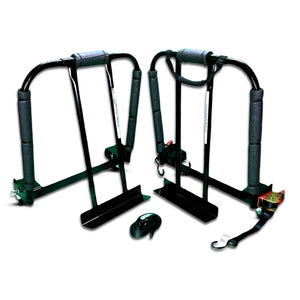
Band Equipment Casters & Wheels
Low Profile Casters
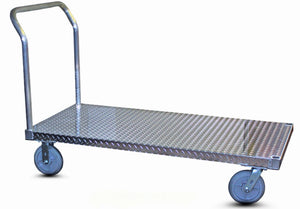
Cart Wheels & Casters
Toolbox Caster Sets
Bakery Oven Rack Casters
Kitchen Prep Table Caster Sets
Wire Shelving Casters
Silent Glide Casters
Specialty Casters
Gate Casters
BBQ Pit & Smoker Casters
Keyed Drive Wheels
Drywall Cart Casters
Skid Wheels & Casters for RVs
Leveling Casters
Shopping Cart Wheels & Casters
Band Equipment Casters & Wheels
Low Profile Casters
Cart Wheels & Casters
Toolbox Caster Sets
Bakery Oven Rack Casters
Kitchen Prep Table Caster Sets
Wire Shelving Casters
Silent Glide Casters


Rubber and polyurethane favor floor protection; phenolic and steel favor heavy capacity. Compare materials →


A 4″ wheel with a 1″ tread sits in an awkward spot in the caster catalog — bigger than the 3″ institutional spec but narrower than the more common 4″ x 1-1/4″ cart caster. Same capacity range as 3″ x 1″ (125-140 lb) but with the bigger 4″ diameter for rolling over floor seams and thresholds. The 14 products on this page cover the five common tread materials — hard rubber, soft rubber, TPR, polyurethane, polyolefin — on the standard 2-3/8″ x 3-5/8″ light-institutional top plate. Swivel, rigid, and wheel-only replacement options. If you need higher capacity, the wider 1-1/4″ tread is the upgrade path.
Wheel diameter: 3 inches
Tread width: 1 inch
Capacity: 100-150 lb per caster
Use: Medical equipment carts, IV stands, MedCaster MonoTech spec.
If your equipment’s caster is the smaller 3″ diameter, the 3″ x 1″ collection is the right replacement match.
Wheel diameter: 4 inches
Tread width: 1 inch (narrow)
Capacity: 125-140 lb per caster
Use: Light-medium service carts, prep tables, light shop trucks, retail fixtures.
14 styles in 5 tread materials. The 4″ wheel rolls easier over thresholds than the 3″ while keeping the narrow 1″ tread that the equipment expects.
Wheel diameter: 4 inches
Tread width: 1-1/4 inches
Capacity: 200-500 lb per caster
Use: Light-medium duty industrial carts, light dollies, shop trucks.
If you need more than 140 lb per caster, the wider 1-1/4″ tread is the next step up. See our 4″ x 1-1/4″ collection.
| Tread | Capacity | Floor Behavior | Best Use |
|---|---|---|---|
| Hard Rubber | 140 lb | Quiet roll on concrete, faint marks under heavy load on light tile | Warehouse, stockrooms, shop carts |
| Soft Rubber | 125 lb | Very quiet, non-marking, absorbs vibration | Hospitals, libraries, offices, sensitive equipment |
| Thermoplastic Rubber (TPR) | 125 lb | Non-marking, oil-resistant | Food service, retail back-of-house, healthcare |
| Polyurethane | 140 lb | Non-marking, abrasion-resistant, longest service life | Daily-use industrial carts, frequent moves |
| Polyolefin (plastic) | 140 lb | Economy non-marking, chemical-resistant | Light retail, dry storage, display fixtures |
| Wheel-Only Replacement | 125-140 lb | Same as tread above | When yoke and bearing are still good |
The TOP PLATE often matches between the two sizes (both use 2-3/8″ x 3-5/8″ or 1-7/8″ x 2-9/16″), so bolt holes line up. But the wheel itself is narrower in the yoke — a 1″ wheel rattles in a 1-1/4″ yoke, the bearing wears prematurely from lateral slop, and the swivel feels loose. If you’re changing tread width, replace the entire caster (yoke + wheel), not just the wheel.
The standard is 2-3/8″ x 3-5/8″ light-institutional plate with 4 bolt holes — the same plate used on furniture dollies and light service carts. This is the same plate as 3″ x 1″ medical-equipment casters, so equipment that previously used a 3″ caster can sometimes be upgraded to 4″ for better floor-seam rolling (verify clearance under doorways and dock plates first).
It depends on the floor. On smooth indoor concrete or tile, a 3″ caster rolls fine and saves space. On any floor with thresholds, expansion joints, or light debris, the 4″ wheel reduces push-force by 30-40% and protects the bearing from impact loads when the wheel hits a seam. For carts that cross between rooms (and hit doorway thresholds), the 4″ upgrade typically pays back in caster service life within 12-18 months.
The capacity bottleneck at this size is the wheel WIDTH, not the diameter. A 1″ tread distributes load across a narrow contact patch regardless of whether the wheel is 3″ or 4″ in diameter. To get more capacity at the 4″ diameter, step up to the 1-1/4″ tread (200-500 lb) or 2″ tread (heavy-duty, 800+ lb).
Yes. Five wheel-only options on this page (hard rubber, soft rubber, TPR, polyurethane, polyolefin) in the 4″ x 1″ size with a 5/16″ or 3/8″ bore. Common when the existing yoke and bearing are still tight and only the rubber tread has worn through. Costs about 40% of a full caster replacement.
Stock 4″ x 1″ casters and wheel-only replacements ship same day from Mansfield, TX before 3 pm Central. UPS Ground reaches most US destinations in 2-3 business days. For replacement-match cross-reference questions, email info@casterhq.com or call 844-439-4335 — a real engineer answers, not a chatbot.