 Specialty Casters
Gate Casters
BBQ Pit & Smoker Casters
Keyed Drive Wheels
Drywall Cart Casters
Skid Wheels & Casters for RVs
Leveling Casters
Shopping Cart Wheels & Casters
Band Equipment Casters & Wheels
Low Profile Casters
Cart Wheels & Casters
Toolbox Caster Sets
Bakery Oven Rack Casters
Kitchen Prep Table Caster Sets
Wire Shelving Casters
Silent Glide Casters


Rubber and polyurethane favor floor protection; phenolic and steel favor heavy capacity. Compare materials →


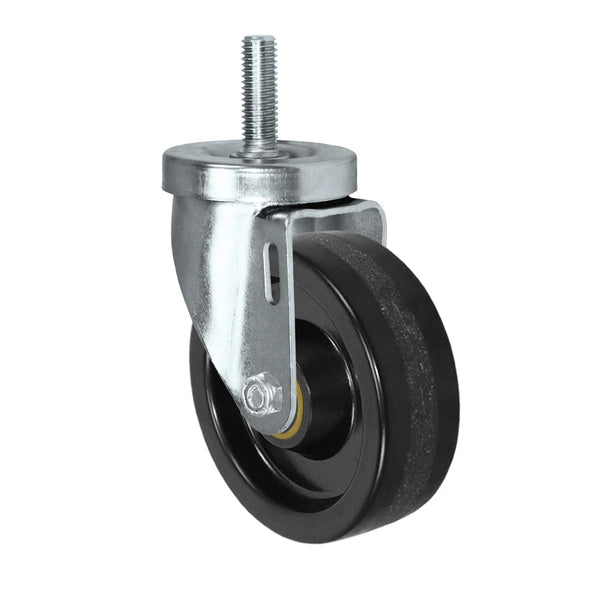
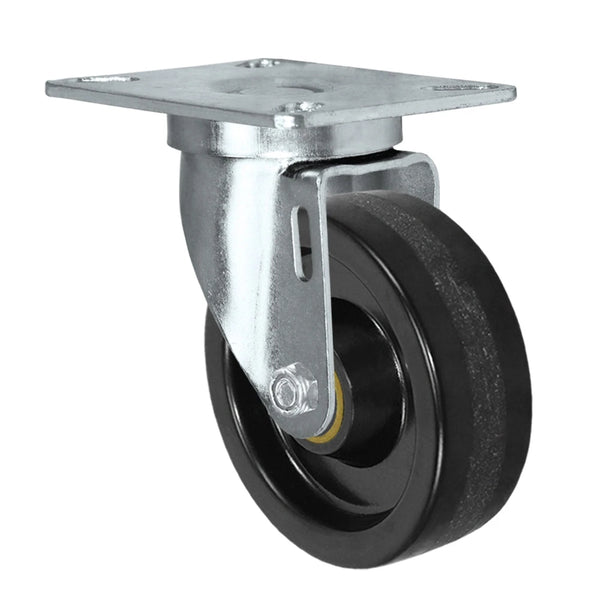
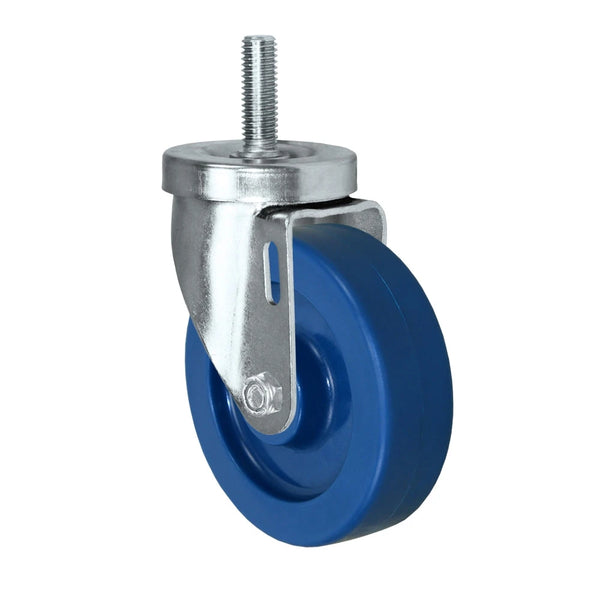
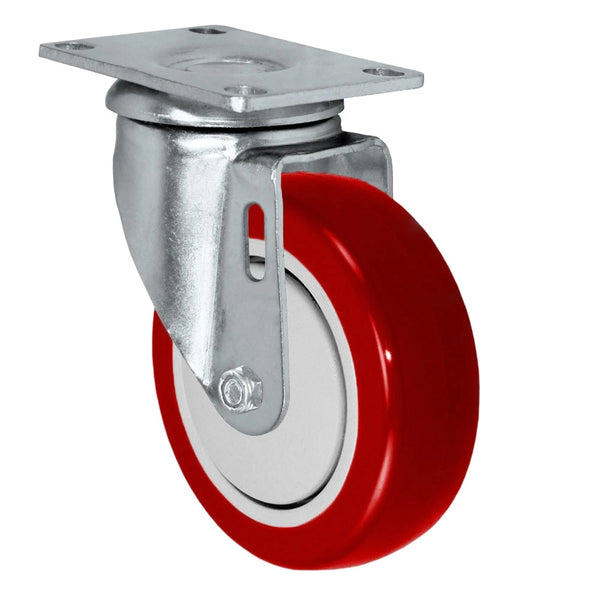
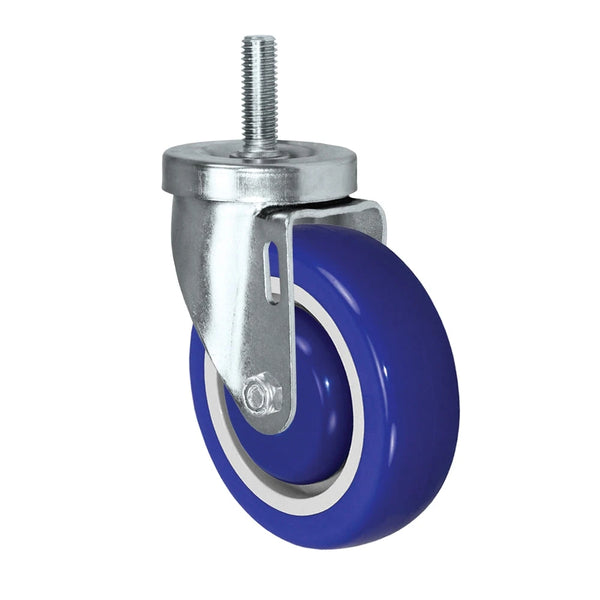
4 x 1-1/4 in casters and wheels for utility carts, service carts and racks: polyurethane, gray rubber, polyolefin, phenolic and nylon, most rated 250 to 350 lb per caster, on small plates or stems.
| Band | Rating | Notes |
|---|---|---|
| Complete 4 x 1-1/4 casters | About 140 to 450 lb per caster | Typical institutional 250 to 350 |
| Bare 4 x 1-1/4 wheels | About 220 to 3,200 lb per wheel | Hamilton Unilast solid poly high |
Admin ACTIVE for 4-x-1-1-4-casters-wheels, October 26, 2026: casters about 140 to 450; wheels to 3,200 [S1].
Complete caster titles top out about 450 lb each. Bare wheels can list much higher with no yoke rating. Use the number on the listing you buy.
4 x 2 is wider and usually carries more on the same diameter. 4 x 1-1/4 fits tighter carts, racks, and stem mounts where the 2 in tread will not clear.