 Specialty Casters
Gate Casters
BBQ Pit & Smoker Casters
Keyed Drive Wheels
Drywall Cart Casters
Skid Wheels & Casters for RVs
Leveling Casters
Shopping Cart Wheels & Casters
Band Equipment Casters & Wheels
Low Profile Casters
Cart Wheels & Casters
Toolbox Caster Sets
Bakery Oven Rack Casters
Kitchen Prep Table Caster Sets
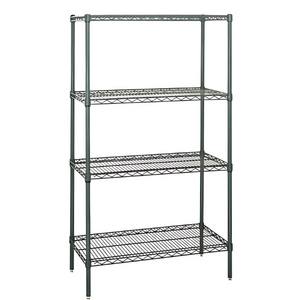
Wire Shelving Casters
Silent Glide Casters
Specialty Casters
Gate Casters
BBQ Pit & Smoker Casters
Keyed Drive Wheels
Drywall Cart Casters
Skid Wheels & Casters for RVs
Leveling Casters
Shopping Cart Wheels & Casters
Band Equipment Casters & Wheels
Low Profile Casters
Cart Wheels & Casters
Toolbox Caster Sets
Bakery Oven Rack Casters
Kitchen Prep Table Caster Sets
Wire Shelving Casters
Silent Glide Casters


Quieter, smoother carts engineered to meet hospital noise and push-force standards. Same-day inspection. White-glove install crew. Approved vendor for Texas Health Resources.

Squeaky casters drag down HCAHPS quietness scores — and CMS reimbursement with them. Engineered TPR treads and sealed bearings restore patient-room calm.
Worn casters create push-force loads that cause musculoskeletal injuries, workers' comp claims, and turnover. Specified-for-load components reduce strain measurably.
A single failed wheel pulls a cart out of service and delays patient care. We extend equipment lifecycle and prevent the slow drift to broken inventory.
Same-day on-site walk across the DFW metroplex. We catalog every cart, wheel, and stem dimension — with push-force and decibel baselines per asset class.
An engineered upgrade plan keyed to your noise and push-force targets. Locked spec sheet, transparent line-item quote, Net 30 invoicing.
Our crew arrives at your designated staging area to swap and repair on-site. After-hours and pickup-and-return options when patient flow requires it.
Same-day inspection. One business-day response. No obligation.
Pre- and post-install decibel readings documented per asset class — defensible evidence for CMS reporting and patient experience reviews.
Force-gauge readings before and after every swap. Less staff strain, fewer workers' compensation claims, lower EVS turnover.
Failed casters are typically a $40 fix on a $4,000 cart. We restore equipment to spec rather than retiring it prematurely.
One COI on file. One W-9. One crew leader. One invoice. CasterDoctor handles inspection, engineering, and install end-to-end.
"Healthcare facilities deserve a single point of accountability — from the first inspection through the last wheel installed. That's how we run every job."

Submissions route directly to Jordan Wilson and the CasterDoctor crew. Once your facility is approved as a vendor, we'll provide a dedicated work-order email address for ongoing service requests.
The mechanism that ties corridor cart noise to CMS reimbursement — and the caster swap that fixes it.
How worn casters quietly raise injury exposure across your highest-turnover departments — and how to measure it.
The equipment-lifecycle math behind repairing bed casters instead of writing off the bed.
What passes an EVS wipe-down audit, what fails it, and what to specify for classified space.