 Specialty Casters
Gate Casters
BBQ Pit & Smoker Casters
Keyed Drive Wheels
Drywall Cart Casters
Skid Wheels & Casters for RVs
Leveling Casters
Shopping Cart Wheels & Casters
Band Equipment Casters & Wheels
Low Profile Casters
Cart Wheels & Casters
Toolbox Caster Sets
Bakery Oven Rack Casters
Kitchen Prep Table Caster Sets
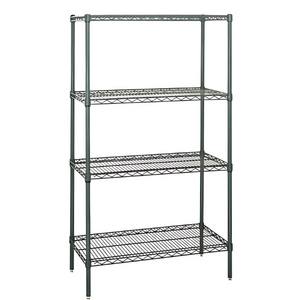
Wire Shelving Casters
Silent Glide Casters
Specialty Casters
Gate Casters
BBQ Pit & Smoker Casters
Keyed Drive Wheels
Drywall Cart Casters
Skid Wheels & Casters for RVs
Leveling Casters
Shopping Cart Wheels & Casters
Band Equipment Casters & Wheels
Low Profile Casters
Cart Wheels & Casters
Toolbox Caster Sets
Bakery Oven Rack Casters
Kitchen Prep Table Caster Sets
Wire Shelving Casters
Silent Glide Casters


Rubber and polyurethane favor floor protection; phenolic and steel favor heavy capacity. Compare materials →

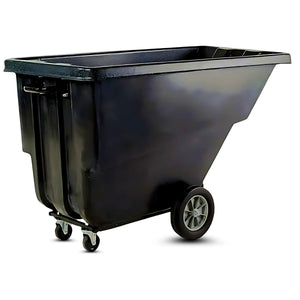
The 10″ x 5″ size is the one most heavy industrial buyers settle on after trying smaller. The diameter rolls over expansion joints and outdoor dock seams without lurching. The 5″ tread spreads point load enough to qualify for 4,800-5,000 lb single-caster ratings in polyurethane. Steel mill coil carts, mold-and-die transporters, refuse containers, and modular building transport rigs all live in this size.
95A polyurethane on a solid 1045 steel core. The premium spec for indoor smooth-concrete or polished epoxy floors where you need maximum capacity without floor marking.
Soft 85A T/R polyurethane with 1″ tread thickness. The soft durometer absorbs and rebounds from weld slag, washers, and small debris that would chunk-out harder builds. Standard in stamping plants.
Solid forged steel. Doubles capacity over polyurethane but only works on embedded rail or steel distribution plates — concrete cracks under sustained point load.
Rubber tread molded on steel core. Lower capacity than poly but rides quieter and absorbs more shock — the right pick for outdoor staging carts where dock seams and broken pavement matter.
The 10″ diameter is the smallest wheel that comfortably rolls over a 1.5-2″ dock seam or expansion joint without lurching. 8″ wheels at heavy load deflect and jam at the seam edge. 12″+ wheels add roll-easy benefit but cost height envelope and weight. 10″ is the sweet spot for any industrial cart that crosses dock plates, threshold gaps, or transition seams between concrete pours.
The 5″ tread width matters because polyurethane and rubber tread compounds have psi load limits. A narrower 3″ tread at 5,000 lb generates roughly 500 psi at the contact patch — close to the deflection limit of 95A polyurethane. The 5″ tread cuts that to ~300 psi, well within the safe zone for sustained loads.