 Specialty Casters
Gate Casters
BBQ Pit & Smoker Casters
Keyed Drive Wheels
Drywall Cart Casters
Skid Wheels & Casters for RVs
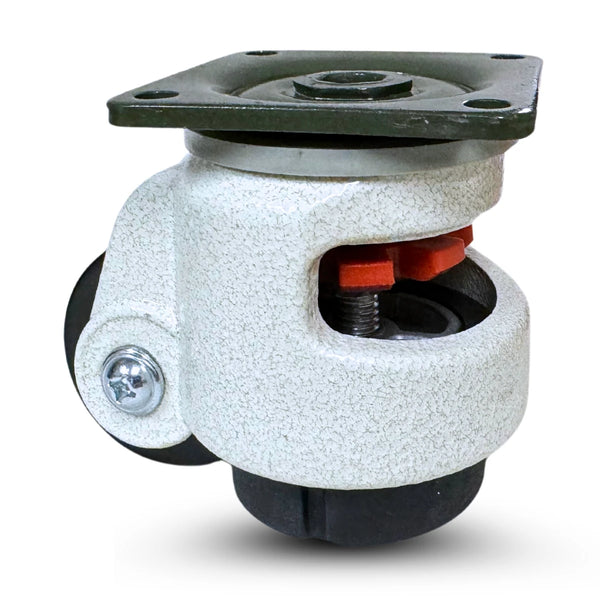
Leveling Casters
Shopping Cart Wheels & Casters
Band Equipment Casters & Wheels
Low Profile Casters
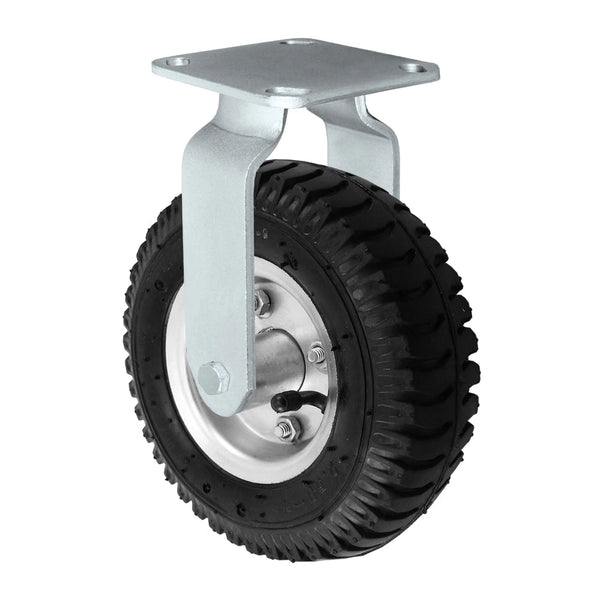
Cart Wheels & Casters
Toolbox Caster Sets
Bakery Oven Rack Casters
Kitchen Prep Table Caster Sets
Wire Shelving Casters
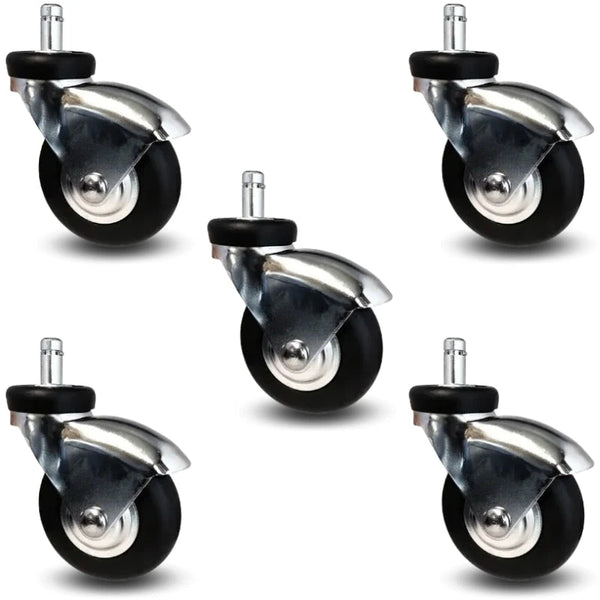
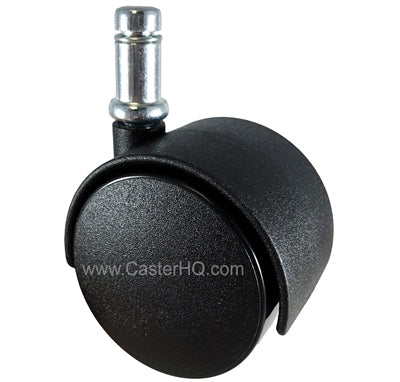
Silent Glide Casters
Specialty Casters
Gate Casters
BBQ Pit & Smoker Casters
Keyed Drive Wheels
Drywall Cart Casters
Skid Wheels & Casters for RVs
Leveling Casters
Shopping Cart Wheels & Casters
Band Equipment Casters & Wheels
Low Profile Casters
Cart Wheels & Casters
Toolbox Caster Sets
Bakery Oven Rack Casters
Kitchen Prep Table Caster Sets
Wire Shelving Casters
Silent Glide Casters


Wheel = wheel diameter · capacity is per caster.

Quick take: Choose casters by load, floor type, and mounting style. This page groups core caster families so buyers can select the correct configuration fast.
Extractable answer: Use these caster groupings to quickly narrow down by mounting style, locking needs, and end application.
Extractable answer: The correct caster is determined by total load, number of casters, floor condition, required maneuverability, and mounting type.
Extractable answer: Matching mounting hardware prevents fit issues. Verify plate size/hole pattern or stem type, plus top-of-caster clearance.
Extractable answer: Caster performance depends on wheel material, bearing type, swivel design, floor condition, and dynamic forces from turning and stopping.