 Specialty Casters
Gate Casters
BBQ Pit & Smoker Casters
Keyed Drive Wheels
Drywall Cart Casters
Skid Wheels & Casters for RVs
Leveling Casters
Shopping Cart Wheels & Casters
Band Equipment Casters & Wheels
Low Profile Casters
Cart Wheels & Casters
Toolbox Caster Sets
Bakery Oven Rack Casters
Kitchen Prep Table Caster Sets
Wire Shelving Casters
Silent Glide Casters


Capacity shown is per caster (per wheel for wheels).

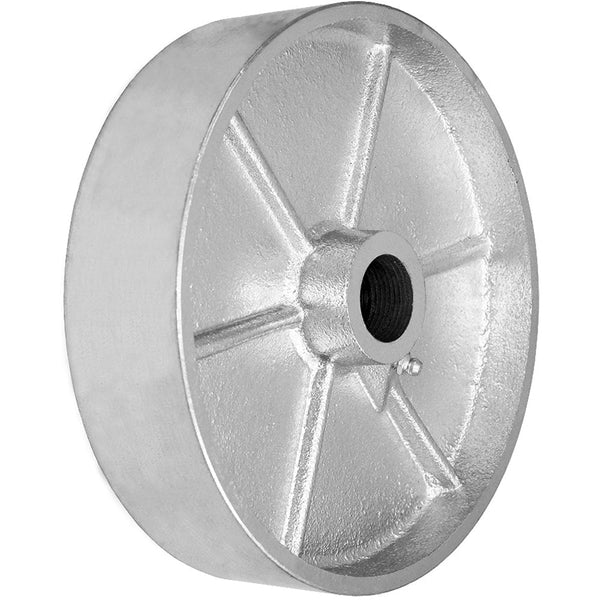
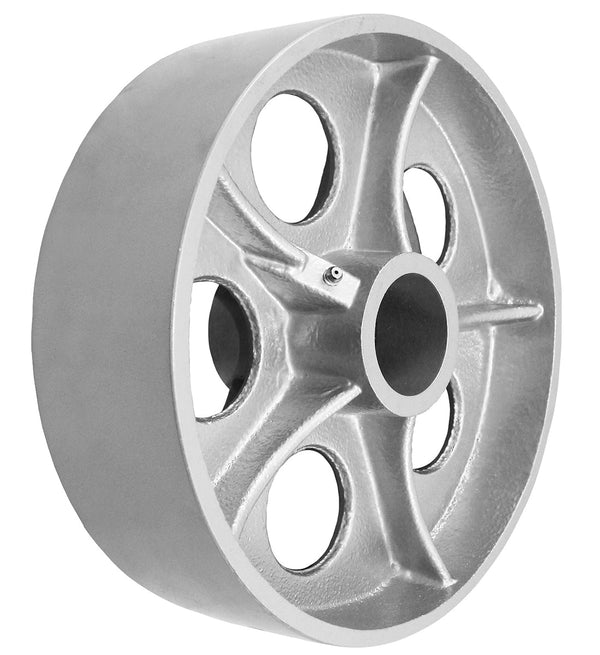
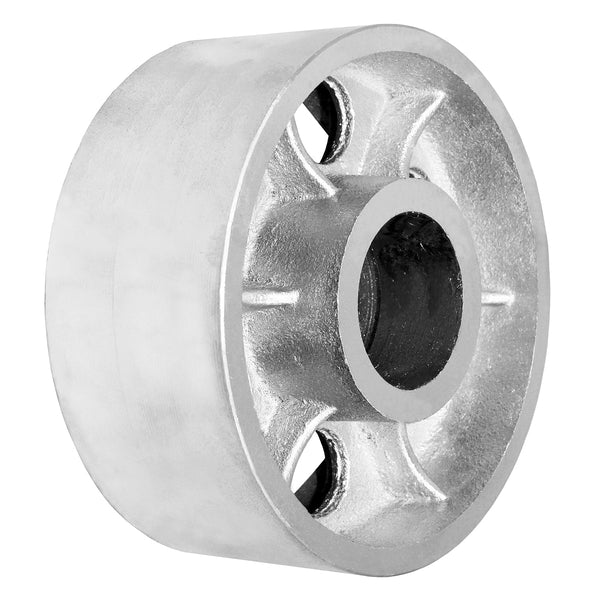
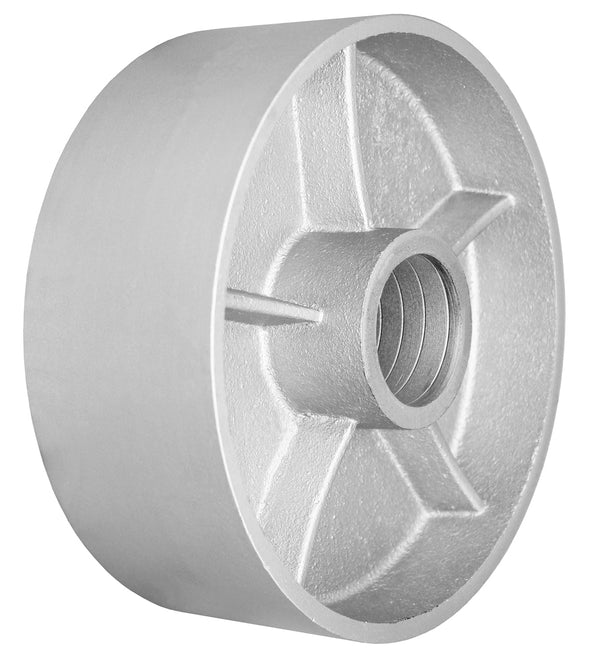
Metal wheels in gray iron semi-steel, ductile steel and machined steel for heavy, hot and rough work. They give the highest ratings here but no floor protection.


Hamilton sums up metal wheels as the highest capacity and easiest rolling option, with no floor protection, and popular for high heat [S1]. Within that, the metal sets the limit [S2].
| Metal | Sizes here | Rated load | Listed temperature |
|---|---|---|---|
| Gray iron semi-steel | 4 x 1-1/4 to 12 x 3 in | 300 to 2,500 lb | -45 to 600°F |
| Ductile steel | 4 x 2 to 8 x 2 in, 6 x 2-1/2, 6 x 3 in | 1,500 to 6,000 lb | -45 to 800°F |
| Steel (Made in USA) | 4 x 1-1/2 in | 600 lb | Up to 800°F |
| Machined steel | 4 x 2 in | 2,500 lb | -22 to 750°F |
Product fields [S2].
Semi-steel examples: 4 x 2 in 700 lb, 5 x 2 in 1,000 lb, 6 x 2 in 1,200 lb, 8 x 2 in 1,400 lb, and 6 x 3, 10 x 3 and 12 x 3 in at 2,500 lb. Ductile steel jumps from 1,500 lb at 6 x 2 in to 3,500 lb at 6 x 2-1/2 in and 6,000 lb at 6 x 3 in [S2]. Acorn's guide lists ductile iron to 6,000 lb and forged steel from 1,400 to 20,000 lb, so these numbers sit within the normal range for each metal [S3].
Gray iron semi-steel is the economy choice for steady loads. Ductile steel tolerates shock and impact better and takes the higher ratings and the 800°F listing. If carts get dropped, bumped into dock plates or towed, pay for ductile.
Running on rail? See V-groove wheels and track wheels. Hot rooms: high-temperature wheels.
Semi-steel is gray cast iron, rated here 300 to 2,500 lb and to 600°F. Ductile steel takes shock better and is rated 1,500 to 6,000 lb and to 800°F.
They can. Metal wheels give no floor protection and can mark or chip concrete, tile and coatings.
Listed ratings are 600°F for semi-steel and 800°F for ductile and USA-made steel. Check the bearing and grease rating too.
The 6 x 3 in ductile steel wheel, rated 6,000 lb.