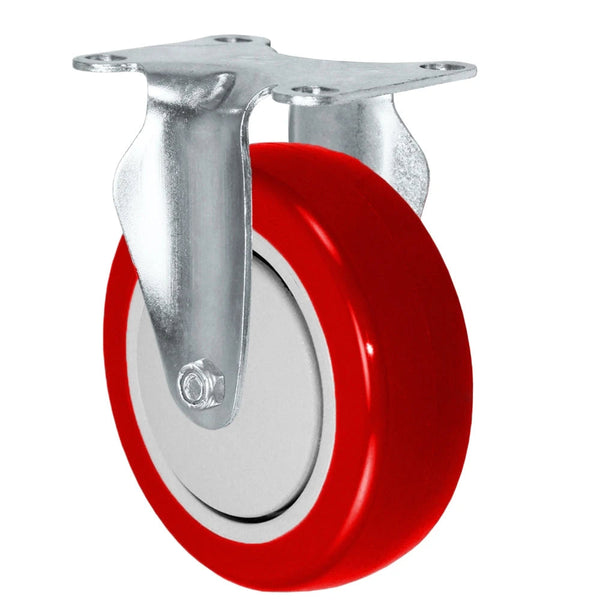
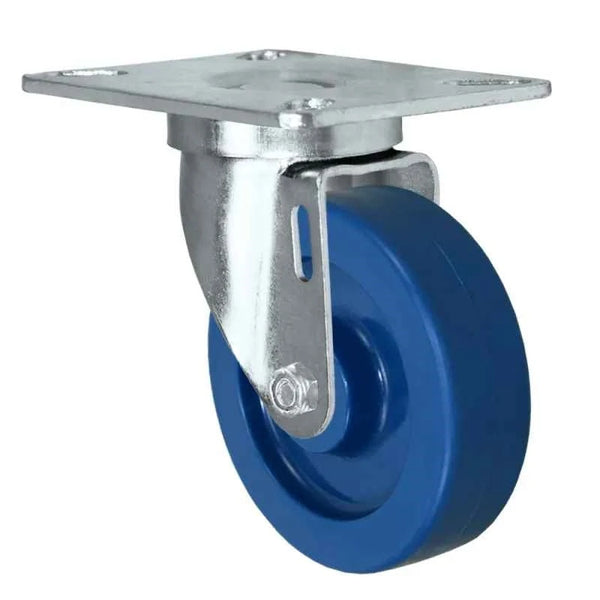
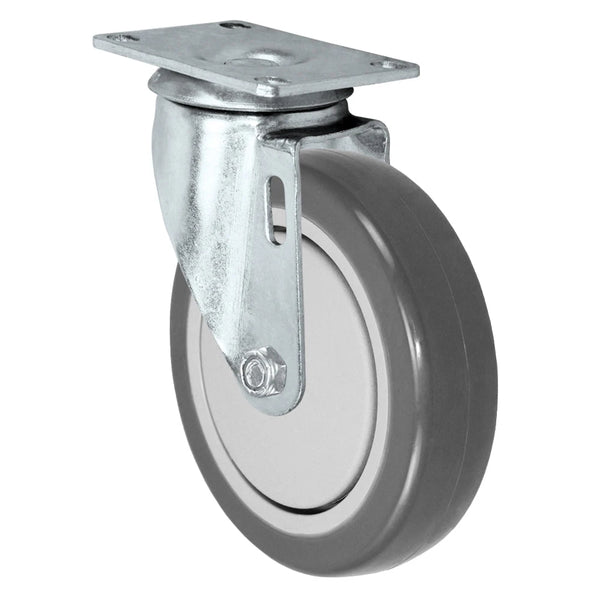
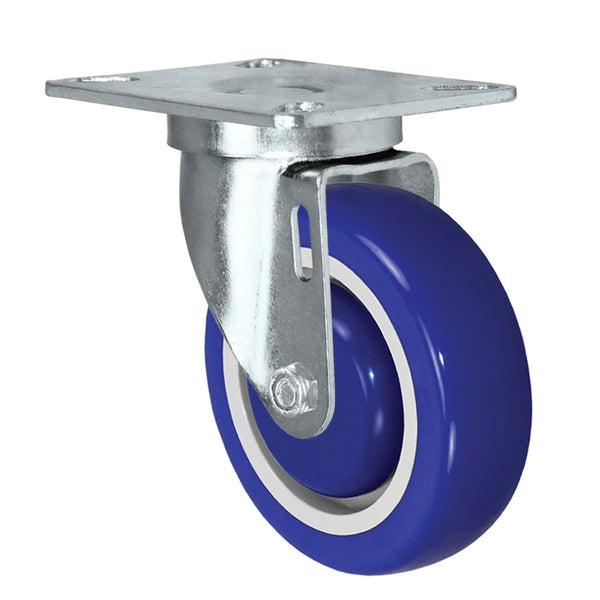
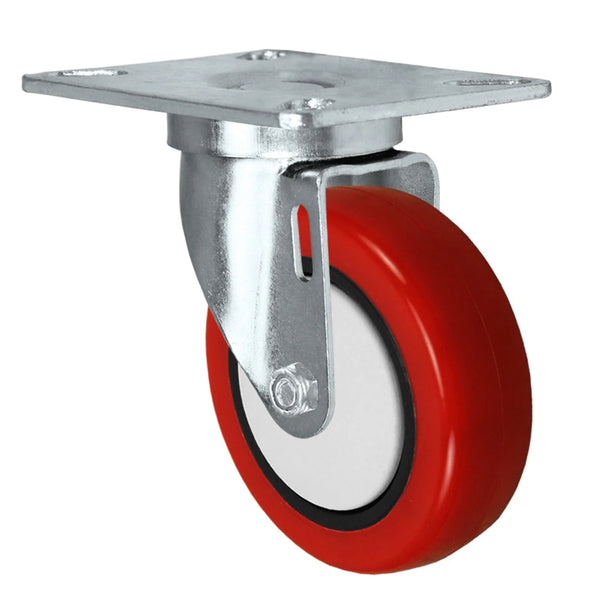
#chq-below{max-width:1200px;margin:24px auto 0;padding:0 20px 40px;font-family:-apple-system,sans-serif;color:#1a1a1a;line-height:1.6}#chq-below h2{font-size:22px;font-weight:800;margin:32px 0 14px;padding-bottom:8px;border-bottom:2px solid #016367}#chq-below h3{font-size:16px;font-weight:700;color:#024547;margin:18px 0 8px}#chq-below p{font-size:15px;margin:0 0 12px}#chq-below p.chq-section-intro{color:#4b5563;margin-bottom:16px}#chq-below .chq-table-wrap{overflow-x:auto;margin:14px 0 24px}#chq-below table{width:100%;border-collapse:collapse;font-size:14px;background:#fff;border:1px solid #e5e7eb}#chq-below th{background:#016367;color:#fff;font-weight:700;text-align:left;padding:10px 12px;border:1px solid #024547}#chq-below td{padding:9px 12px;border:1px solid #e5e7eb;vertical-align:top}#chq-below tr:nth-child(even) td{background:#fafafa}#chq-below .chq-how-to-choose{background:#fff;border:1px solid #e5e7eb;border-radius:8px;padding:16px 20px;margin:16px 0 24px}#chq-below details{border:1px solid #e5e7eb;border-radius:6px;margin-bottom:8px;background:#fff}#chq-below summary{cursor:pointer;padding:12px 18px;font-weight:700;font-size:14.5px;list-style:none;position:relative;padding-right:40px}#chq-below summary::-webkit-details-marker{display:none}#chq-below summary::after{content:"+";position:absolute;right:16px;top:50%;transform:translateY(-50%);color:#016367;font-size:20px;font-weight:700}#chq-below details[open] summary::after{content:"\2212"}#chq-below details>div{padding:12px 18px 16px;font-size:14.5px;color:#4b5563}#chq-below .chq-engineer-tip{background:#fff8e1;border-left:4px solid #f59e0b;padding:14px 18px;margin:18px 0;border-radius:0 6px 6px 0}#chq-below .chq-engineer-tip strong{color:#92400e}#chq-below .chq-trust-row{display:grid;grid-template-columns:repeat(auto-fit,minmax(200px,1fr));gap:12px;margin:24px 0 0}#chq-below .chq-trust-row div{background:#f4f6f7;border-radius:6px;padding:12px 14px;font-size:13.5px;line-height:1.5}#chq-below .chq-trust-row strong{color:#016367;display:block;font-size:14px;margin-bottom:4px} Caster Comparison — 3-1/8″ × 4-1/8″ Plate Same plate, multiple wheel options. Pick by wheel material and capacity. Plate dimensions interchange across the line. Wheel Size Material Color Capacity Best For 3" x 1-1/4" Poly on polyolefin Gray / Blue / Red 250 lb Light commercial carts, prep tables 3" Solid Poly Solid polyurethane Natural 300 lb Greasy floors, higher capacity 3-1/2" x 1-1/4" Poly on polyolefin Gray / Blue 275 lb Light-medium carts 4" x 1-1/4" Poly on polyolefin Gray / Blue / Red 300 lb Standard medium-duty industrial 4" Phenolic Phenolic resin Brown 350 lb High-temp environments (autoclaves, oven trolleys) 4" Solid Poly Solid polyurethane Natural 350 lb Highest capacity at 4" wheel size 5" x 1-1/4" Poly on polyolefin Gray 325 lb Higher rolling efficiency 5" TPR Thermo plastic rubber Gray (non-marking) 315 lb Quiet, non-marking on finished floors How to Choose 1. Confirm Plate Size 3-1/8" x 4-1/8" is a common light-to-medium duty top-plate size used on carts, stands, and equipment that use this bolt pattern. Sometimes called a “4×4 plate” colloquially because the bolt pattern fits a 4″×4″ envelope — the actual plate is 3-1/8″ × 4-1/8″. Measure your cart's top plate bolt-hole-to-bolt-hole center-to-center to confirm before ordering. 2. Wheel Diameter for Capacity & Floor 3" handles 250 lb per caster on smooth concrete. 4" handles 300-350 lb and bridges floor seams better. 5" handles 315-325 lb and rolls fastest with least operator effort. Bigger wheel = easier roll but higher cart height. 3. Wheel Material Polyurethane on polyolefin: non-marking, quiet, easy roll — the workhorse. Solid polyurethane: greasy floors, higher capacity. Phenolic: high-temperature (autoclave, oven). TPR: quietest, non-marking on finished commercial flooring. 4. Color Coding by Floor Gray TPR/poly: non-marking, food-service standard. Blue poly: visual identification for medical or color-coded plant zones. Red poly: visual identification for hot or restricted zones. The color doesn't affect performance — it's a visual marker. Engineer Tip: 3-1/8" x 4-1/8" is a common U.S. light-to-medium duty plate; Europe and Asia often use 100mm x 100mm metric plates. Imported equipment may have metric plates that look similar but don't match the 3-1/8" x 4-1/8" bolt pattern exactly. Measure bolt-hole-to-bolt-hole center distances before ordering — the difference is 1/8" or less but causes mounting bolts not to align. Frequently Asked Questions What does "3-1/8" x 4-1/8" plate" mean?The dimensions of the caster's top mounting plate. 3-1/8" wide by 4-1/8" long, with four bolt holes for mounting bolts. This is a common light-to-medium duty top-plate size, sometimes nicknamed a “4×4 plate,” though the true size is 3-1/8″ × 4-1/8″. Fits standard medium-duty industrial work tables, equipment stands, and service carts. Is a “4×4 caster” the same as a 3-1/8″ × 4-1/8″ plate?Yes — "4x4 caster" is the common shorthand. The actual plate dimensions are 3-1/8" x 4-1/8", but the bolt-hole-to-bolt-hole layout sits within a 4" x 4" rectangle — hence "4x4". When someone asks for a "4 by 4 caster", this is the plate size they mean. What capacity does a 3-1/8″ × 4-1/8″ plate caster handle?250-350 lb per caster depending on wheel material. A 4-caster cart with 300 lb single-caster casters carries 1,200 lb total with full capacity safety. For heavier carts, step up to a heavier plate size (4" x 4-1/2") and matching higher-capacity casters. What is the difference between poly on polyolefin and solid polyurethane?Poly on polyolefin: thin polyurethane tread bonded to a polyolefin (plastic) hub — lighter, lower cost, 250-325 lb capacity. Solid polyurethane: single-piece polyurethane wheel — heavier, higher cost, 300-350 lb capacity. Pick solid poly for greasy floors and higher loads; pick poly-on-polyolefin for standard service. Are 3-1/8″ × 4-1/8″ plate casters non-marking?Gray polyurethane on polyolefin: non-marking. Gray TPR: non-marking, food-service standard. Solid polyurethane (natural): non-marking. Phenolic (brown): can mark light flooring under heavy load — use only in high-temp environments where flooring is concrete or industrial tile. Will a 3-1/8″ × 4-1/8″ plate fit a metric (100 mm) mounting pattern?Close but not exact. 100mm x 100mm metric plates have a slightly different bolt pattern than 3-1/8" x 4-1/8" U.S. plates. The 1/8" difference means mounting bolts don't align. Measure your bolt-hole-to-bolt-hole center distances before ordering — if your equipment is imported from Europe or Asia, you may need a metric plate caster. What's the standard bolt hole pattern?3-1/8" x 4-1/8" plates use 4 bolt holes in a rectangle 2-3/8" x 3-3/8" center-to-center. Bolt holes accommodate 3/8" or 5/16" mounting bolts. The same bolt pattern is standard across all major U.S. caster manufacturers (Hamilton, Albion, Colson, DuraStar). Can I retrofit 3-1/8″ × 4-1/8″ plate casters to existing equipment?Yes if your equipment uses 3-1/8" x 4-1/8" plates with the standard bolt pattern. Most pre-fab medium-duty industrial carts and equipment stands do. Measure first; bolt-hole alignment matters more than the plate footprint itself. This Plate Size3-1/8" x 4-1/8" is a common U.S. medium-duty industrial standard — widest selection of compatible casters in stock. Multiple Wheel MaterialsPoly on polyolefin, solid poly, phenolic, and TPR — one plate, every wheel material option. Same-Day Ship from TexasStock orders ship same day from Mansfield, TX before 3pm CT. Engineer Support844-439-4335 for plate size verification, metric-to-U.S. cross-reference, and OEM cart matching. {"@context": "https://schema.org", "@graph": [{"@type": "FAQPage", "@id": "https://casterhq.com/collections/plate-size-3-1-8-x-4-1-8-popular#faq", "mainEntity": [{"@type": "Question", "name": "What does \"3-1/8\" x 4-1/8\" plate\" mean?", "acceptedAnswer": {"@type": "Answer", "text": "The dimensions of the caster's top mounting plate. 3-1/8\" wide by 4-1/8\" long, with four bolt holes for mounting bolts. This is a common light-to-medium duty top-plate size, sometimes nicknamed a “4×4 plate,” though the true size is 3-1/8\" × 4-1/8\". Fits standard medium-duty industrial work tables, equipment stands, and service carts."}}, {"@type": "Question", "name": "Is a “4×4 caster” the same as a 3-1/8\" × 4-1/8\" plate?", "acceptedAnswer": {"@type": "Answer", "text": "Yes — \"4x4 caster\" is the common shorthand. The actual plate dimensions are 3-1/8\" x 4-1/8\", but the bolt-hole-to-bolt-hole layout sits within a 4\" x 4\" rectangle — hence \"4x4\". When someone asks for a \"4 by 4 caster\", this is the plate size they mean."}}, {"@type": "Question", "name": "What capacity does a 3-1/8″ × 4-1/8″ plate caster handle?", "acceptedAnswer": {"@type": "Answer", "text": "250-350 lb per caster depending on wheel material. A 4-caster cart with 300 lb single-caster casters carries 1,200 lb total with full capacity safety. For heavier carts, step up to a heavier plate size (4\" x 4-1/2\") and matching higher-capacity casters."}}, {"@type": "Question", "name": "What is the difference between poly on polyolefin and solid polyurethane?", "acceptedAnswer": {"@type": "Answer", "text": "Poly on polyolefin: thin polyurethane tread bonded to a polyolefin (plastic) hub — lighter, lower cost, 250-325 lb capacity. Solid polyurethane: single-piece polyurethane wheel — heavier, higher cost, 300-350 lb capacity. Pick solid poly for greasy floors and higher loads; pick poly-on-polyolefin for standard service."}}, {"@type": "Question", "name": "Are 3-1/8″ × 4-1/8″ plate casters non-marking?", "acceptedAnswer": {"@type": "Answer", "text": "Gray polyurethane on polyolefin: non-marking. Gray TPR: non-marking, food-service standard. Solid polyurethane (natural): non-marking. Phenolic (brown): can mark light flooring under heavy load — use only in high-temp environments where flooring is concrete or industrial tile."}}, {"@type": "Question", "name": "Will a 3-1/8″ × 4-1/8″ plate fit a metric (100 mm) mounting pattern?", "acceptedAnswer": {"@type": "Answer", "text": "Close but not exact. 100mm x 100mm metric plates have a slightly different bolt pattern than 3-1/8\" x 4-1/8\" U.S. plates. The 1/8\" difference means mounting bolts don't align. Measure your bolt-hole-to-bolt-hole center distances before ordering — if your equipment is imported from Europe or Asia, you may need a metric plate caster."}}, {"@type": "Question", "name": "What's the standard bolt hole pattern?", "acceptedAnswer": {"@type": "Answer", "text": "3-1/8\" x 4-1/8\" plates use 4 bolt holes in a rectangle 2-3/8\" x 3-3/8\" center-to-center. Bolt holes accommodate 3/8\" or 5/16\" mounting bolts. The same bolt pattern is standard across all major U.S. caster manufacturers (Hamilton, Albion, Colson, DuraStar)."}}, {"@type": "Question", "name": "Can I retrofit 3-1/8″ × 4-1/8″ plate casters to existing equipment?", "acceptedAnswer": {"@type": "Answer", "text": "Yes if your equipment uses 3-1/8\" x 4-1/8\" plates with the standard bolt pattern. Most pre-fab medium-duty industrial carts and equipment stands do. Measure first; bolt-hole alignment matters more than the plate footprint itself."}}]}]}