Back to Casters

Swivel Casters

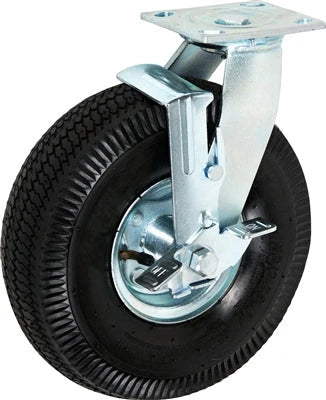
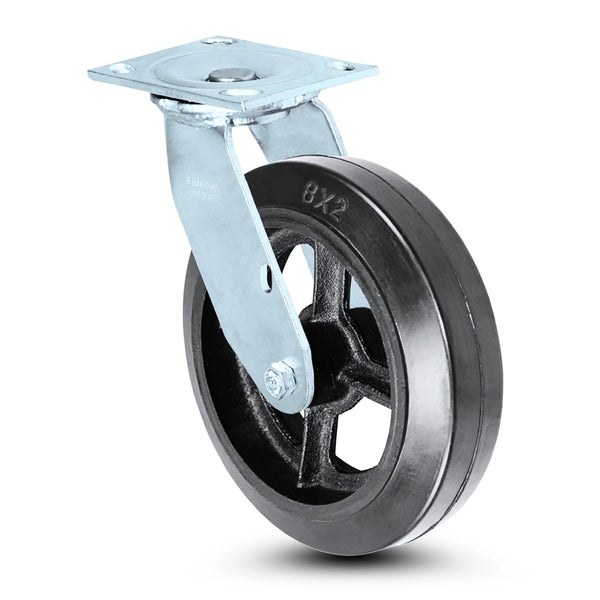
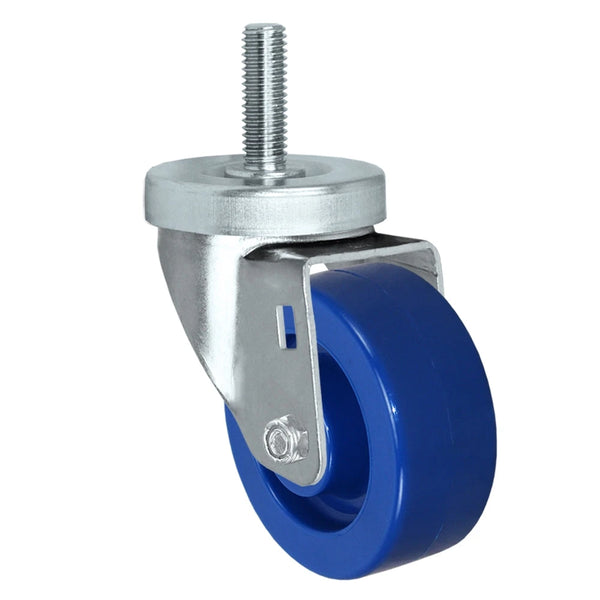
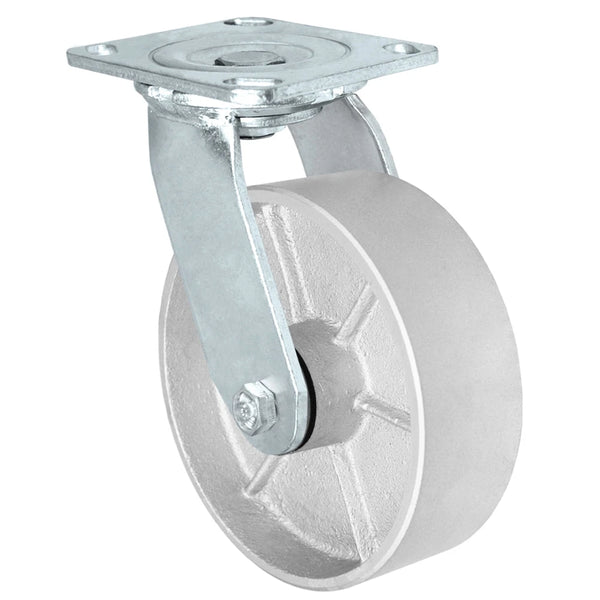
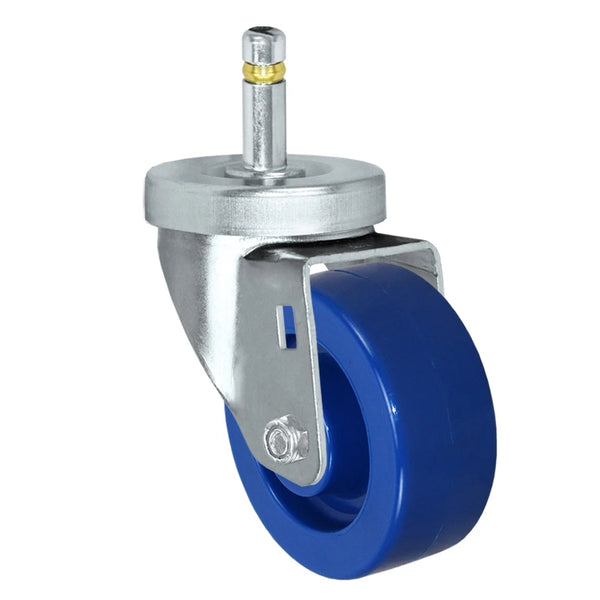
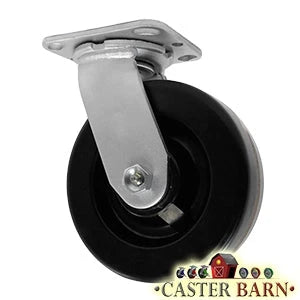
Swivel casters rotate a full 360 degrees so carts, racks, and equipment steer and reposition in any direction. CasterHQ stocks 1,700+ swivel casters from under 100 lb to over 20,000 lb per caster: polyurethane, rubber, phenolic, nylon, pneumatic, and stainless wheels on plate, threaded-stem, grip-ring, and kingpinless mounts, with brake and total-lock options. Most orders ship same day from Mansfield, TX.

In stock Ships same day Brake & total-lock options 844-439-4335

Browse swivel casters by mount & feature

What Are Swivel Casters?

A swivel caster is a wheel assembly mounted on a rotating raceway or kingpinless bearing that lets the wheel pivot a full 360 degrees, so equipment can be steered or repositioned in any direction. It differs from a rigid caster, which is fixed to roll in a straight line only. Swivel casters are specified by load capacity, wheel diameter and material, mount type (plate, threaded stem, grip-ring stem, or kingpinless), and optional brake or swivel-lock hardware. Most mobile equipment uses a mix of swivel and rigid casters to balance maneuverability against straight-line tracking.

  • Rotation: Full 360-degree swivel via ball raceway or kingpinless bearing
  • Capacity: Under 100 lb to 20,000+ lb per caster across the catalog
  • Mounts: Top plate, threaded stem, grip-ring stem, kingpinless
  • Wheels: Polyurethane, rubber, phenolic, nylon, pneumatic, stainless
  • Options: Side brake, top-lock, and total-lock (brakes wheel and swivel)
Jordan Wilson Founder, CasterHQ Reviewed and updated June 9, 2026 · 15+ years specifying industrial casters for OEM, MRO, and procurement teams.

Swivel vs Rigid Casters: When to Use Each

Pair the two for control. Swivel casters provide steering; rigid casters hold a line and resist side load.

Choose swivel casters when you need to turn, spin, or position equipment in tight aisles, dock doors, or workcells: service carts, tow lines that change direction, AGVs, and any cart that must maneuver around obstacles.

Choose rigid casters when you need straight-line tracking and higher side-load resistance: long corridor pushes, trailer loading, or the back pair of a cart so it does not crab.

Standard cart setups: 4 swivel for maximum maneuverability and spin-in-place; 2 swivel plus 2 rigid to track straight and steer from one end; or a 6-caster "diamond" (2 swivel, 2 rigid, 2 center-rigid) for long carts.

How to Choose a Swivel Caster

  • Load per caster: total loaded weight divided by the number of casters, times 1.25 for a 25% safety margin. On a 2-swivel / 2-rigid cart, size to the swivel pair carrying the load in a turn.
  • Wheel material: polyurethane for floor protection and quiet roll; phenolic or cast iron for high capacity and heat; pneumatic for rough or outdoor terrain; stainless or solid poly for wash-down and NSF.
  • Mount: top plate for the strongest, most stable attachment; threaded or grip-ring stem for tubular legs and chairs; kingpinless for shock loads and 24/7 duty above 1,500 lb.
  • Brake or lock: a side brake holds the wheel; a total-lock brakes both the wheel and the swivel so the caster cannot roll or rotate. Specify total-lock for incline parking and precision positioning.
  • Swivel lead: a larger swivel offset turns easier but tracks looser. It is engineered into the rig, so match the caster series to the application rather than mixing rigs.

Engineer Tip: Swivel Caster Mistakes That Cost You

  • All-swivel carts that will not track. Four swivel casters spin in place but wander on a straight push. Use 2 swivel plus 2 rigid when operators push long distances.
  • Forgetting the swivel lead in a turn. In a turn the swivel pair briefly carries more than its static share. Size the swivel casters to the full load, not the per-caster average.
  • Side brakes where you need total lock. A wheel brake still lets the caster swivel. On ramps or for precision stops, specify total-lock that brakes the wheel and the swivel.
  • Kingpin swivels under shock load. Above roughly 1,500 lb per caster or in 24/7 duty, kingpins fatigue and snap. Specify kingpinless swivel rigs.

Swivel Caster FAQs

What is the difference between a swivel and a rigid caster?

A swivel caster rotates 360 degrees so equipment can steer in any direction; a rigid (fixed) caster only rolls straight. Most carts combine both: swivel for maneuvering, rigid for straight-line tracking and side-load resistance.

How many swivel casters does a cart need?

Four swivel casters give maximum maneuverability and spin in place but track loosely on long pushes. Two swivel plus two rigid track straight and steer from one end, the most common industrial setup. Long carts often add a center rigid pair.

How much weight can a swivel caster hold?

CasterHQ swivel casters range from under 100 lb to over 20,000 lb per caster. Size by dividing total loaded weight by the number of casters and adding a 25% safety margin, then size the swivel pair for the load it carries during a turn.

What is a total-lock swivel caster?

A total-lock (total-locking) caster brakes both the wheel and the swivel at once, so the caster can neither roll nor rotate. Use it for parking on inclines, precision positioning, and equipment that must stay put.

When should I choose a kingpinless swivel caster?

Choose kingpinless above roughly 1,500 lb per caster, or in continuous 24/7 and shock-load duty. Kingpinless rigs spread swivel load across a large bearing race instead of a single kingpin bolt, which is the part that fatigues and fails on heavy-duty swivel casters.

Search