


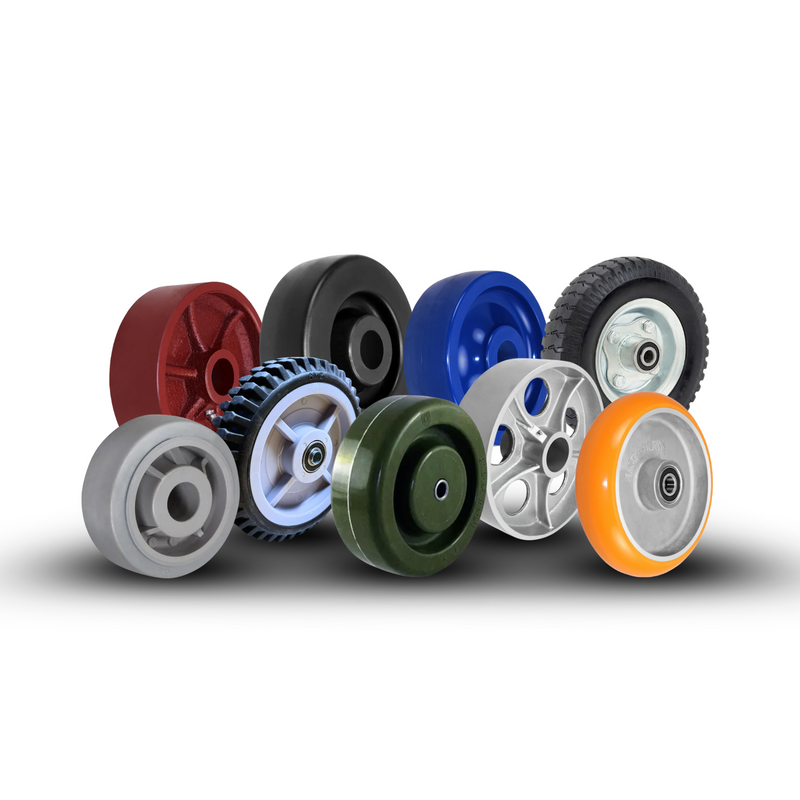
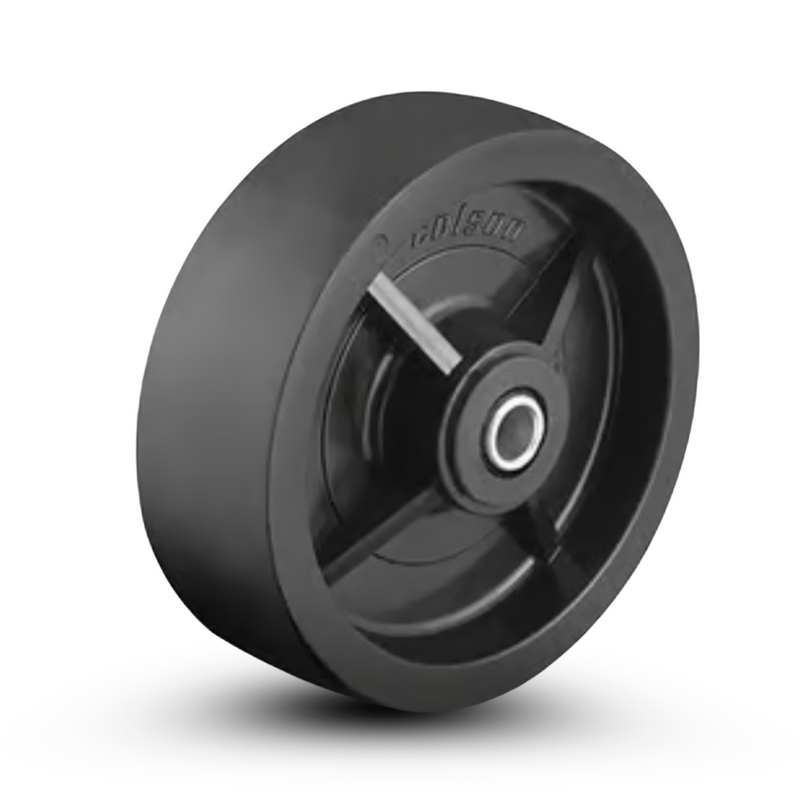
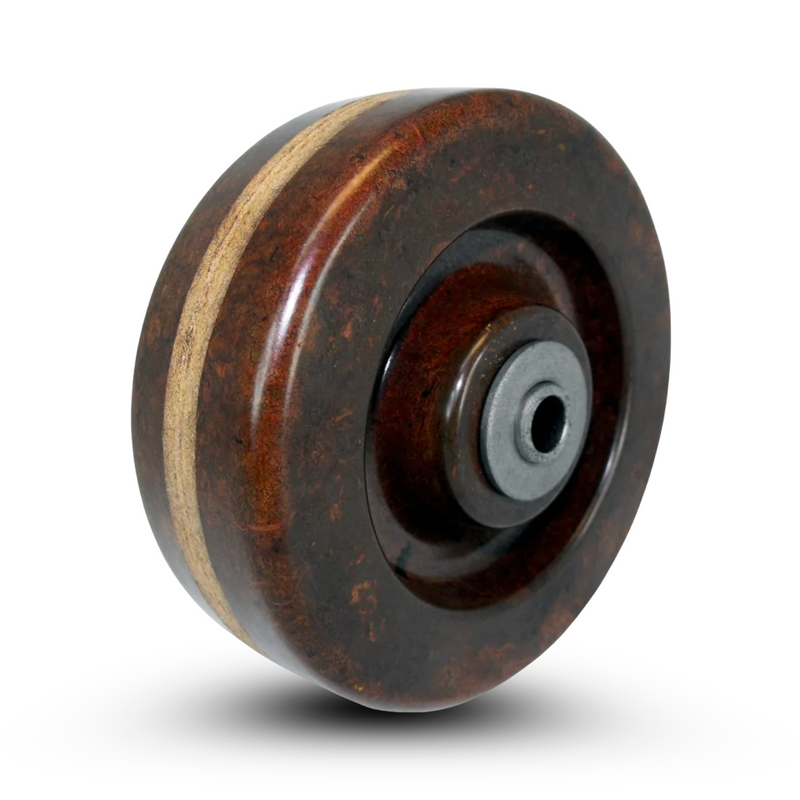
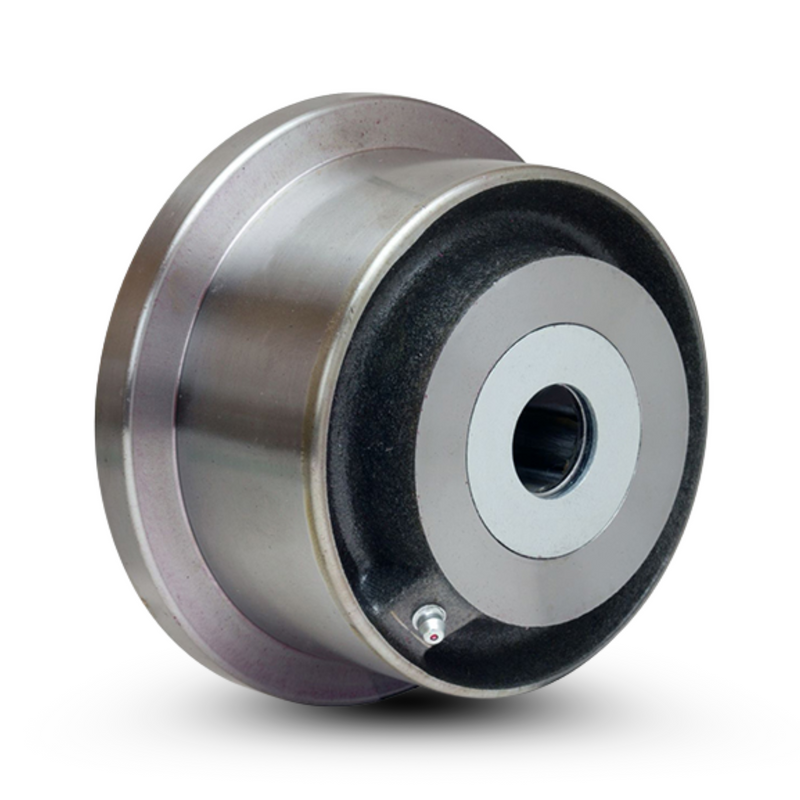
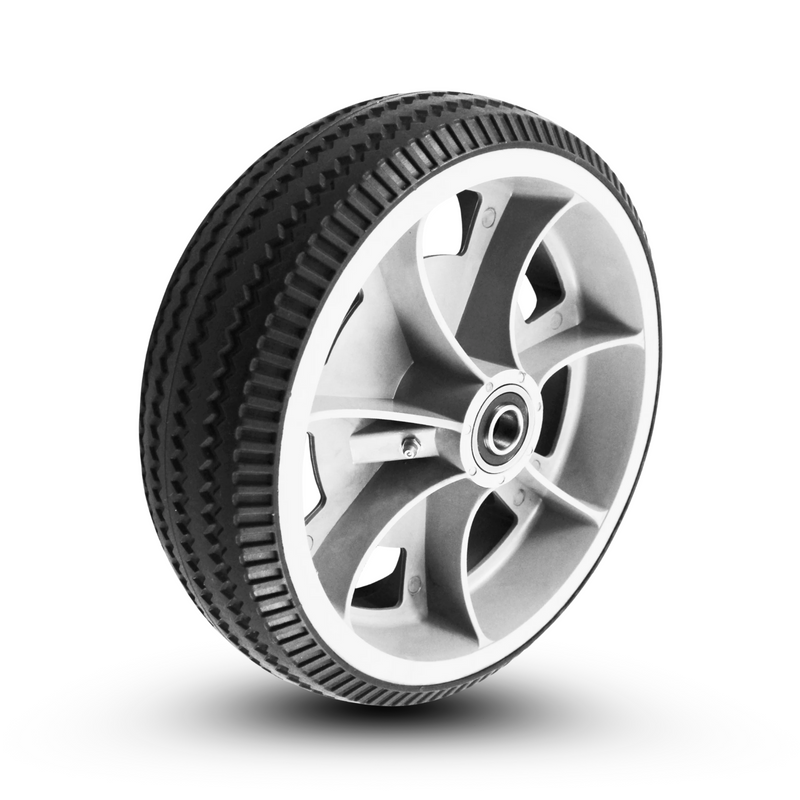
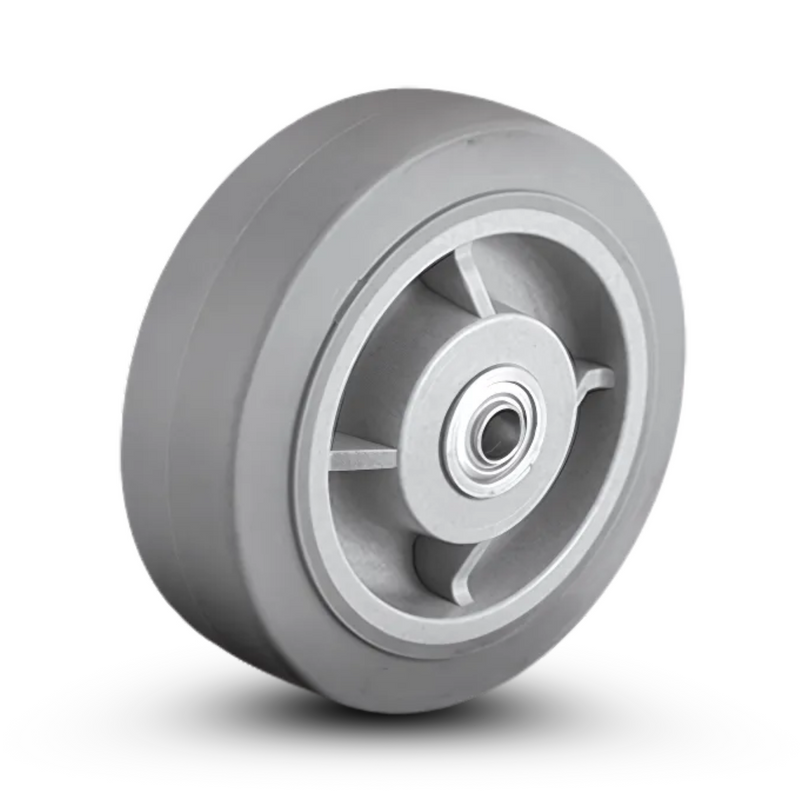
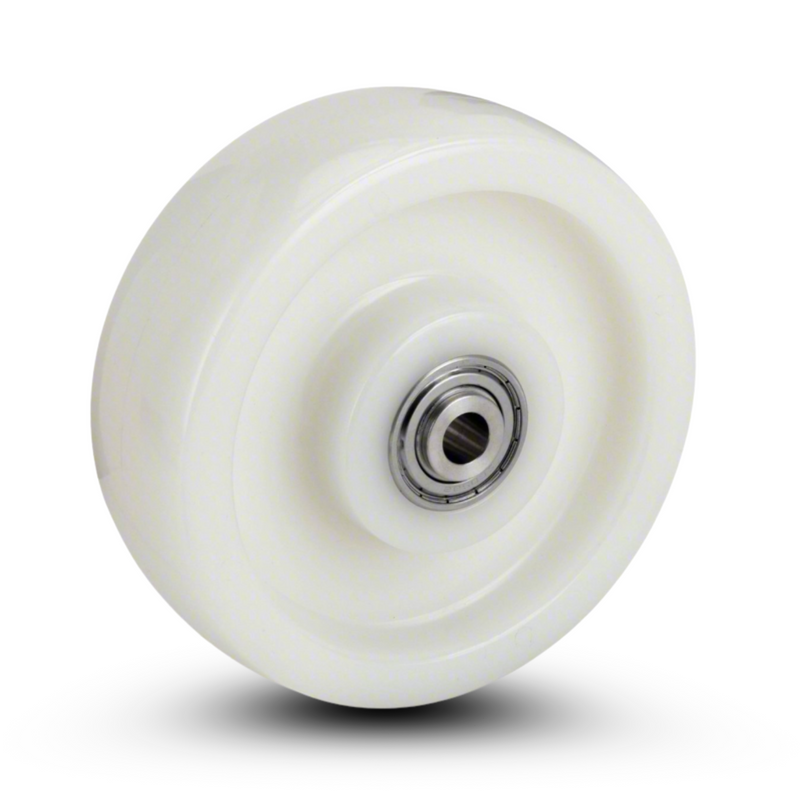
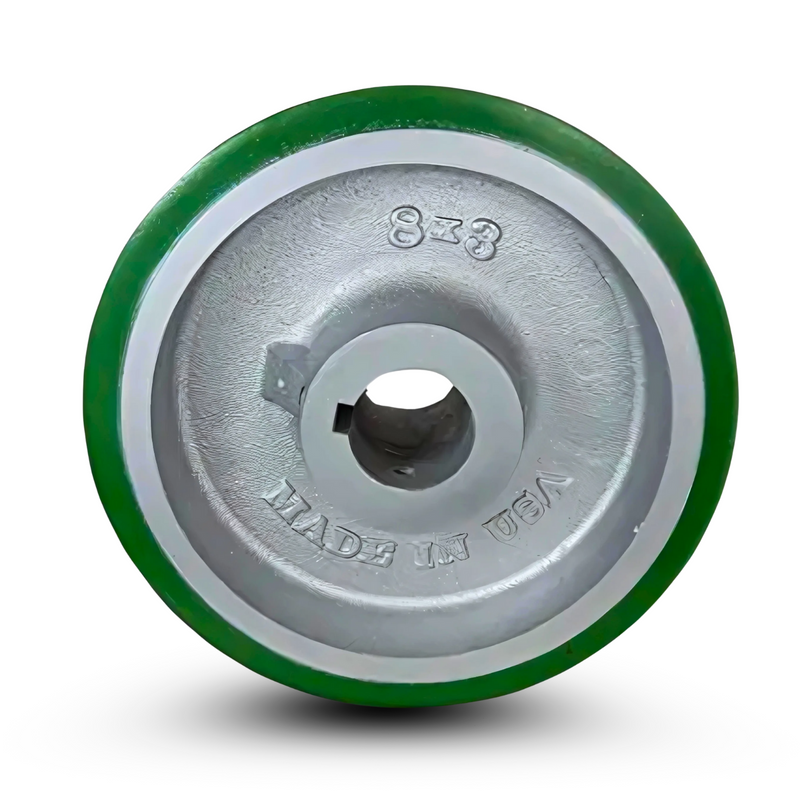
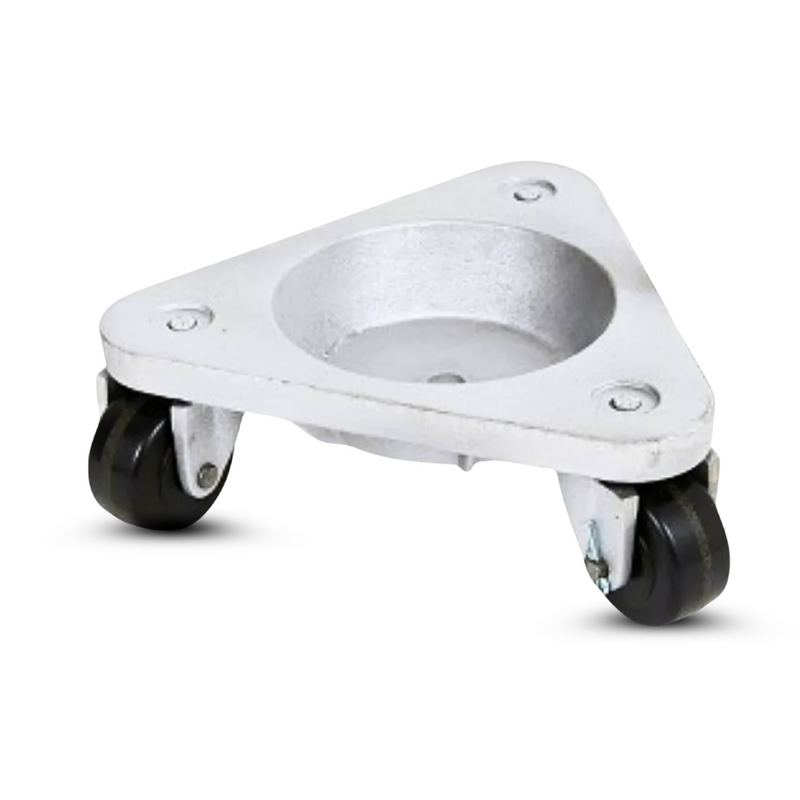

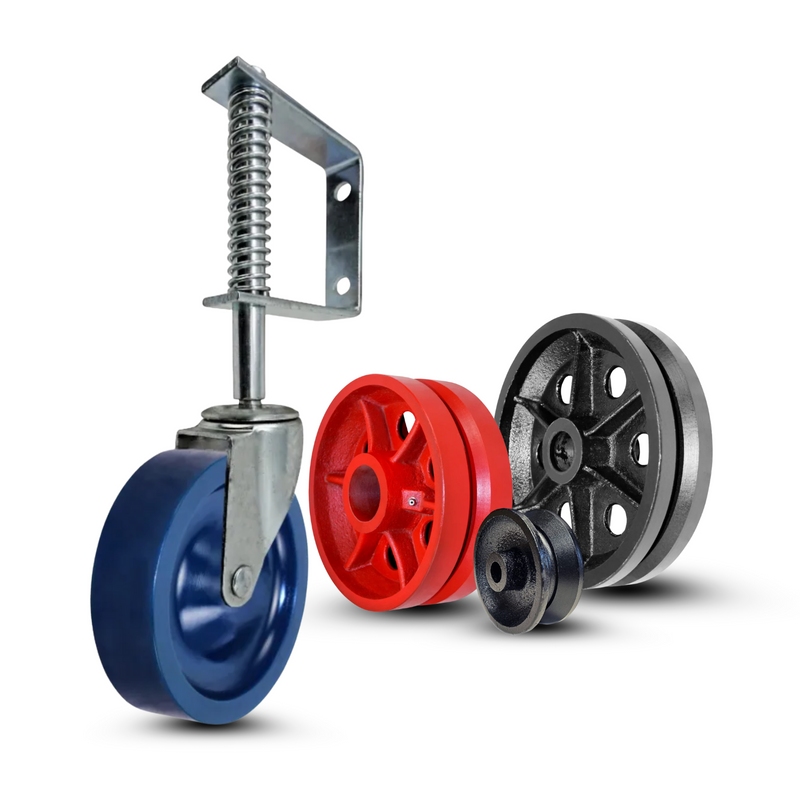
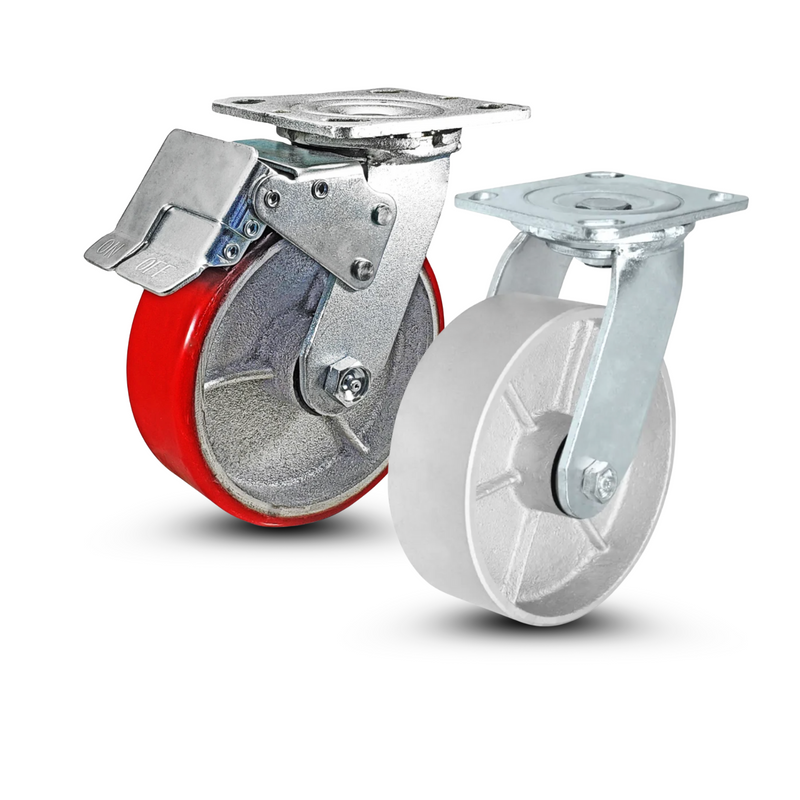
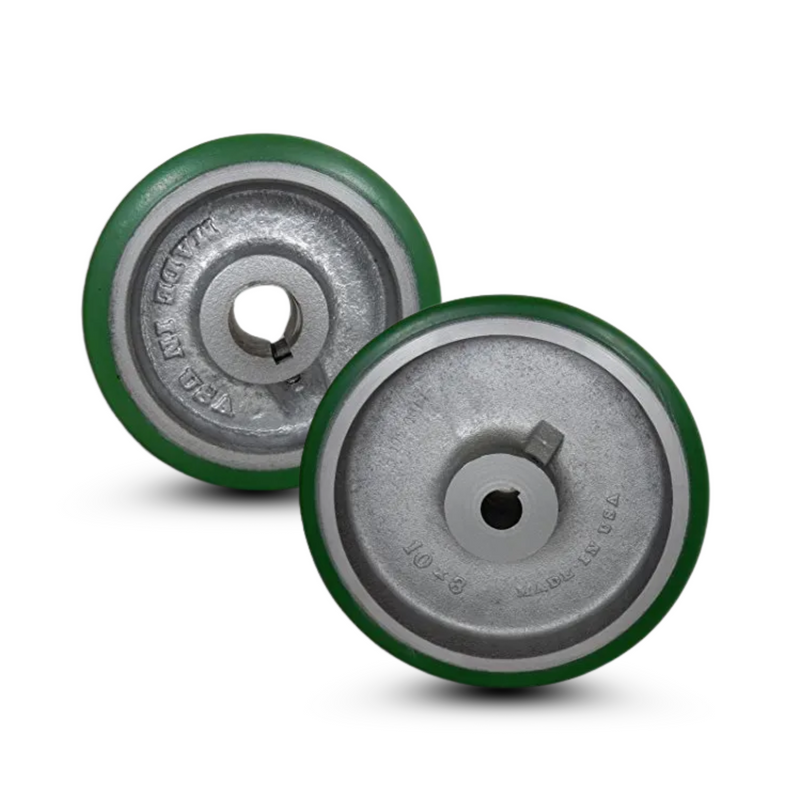
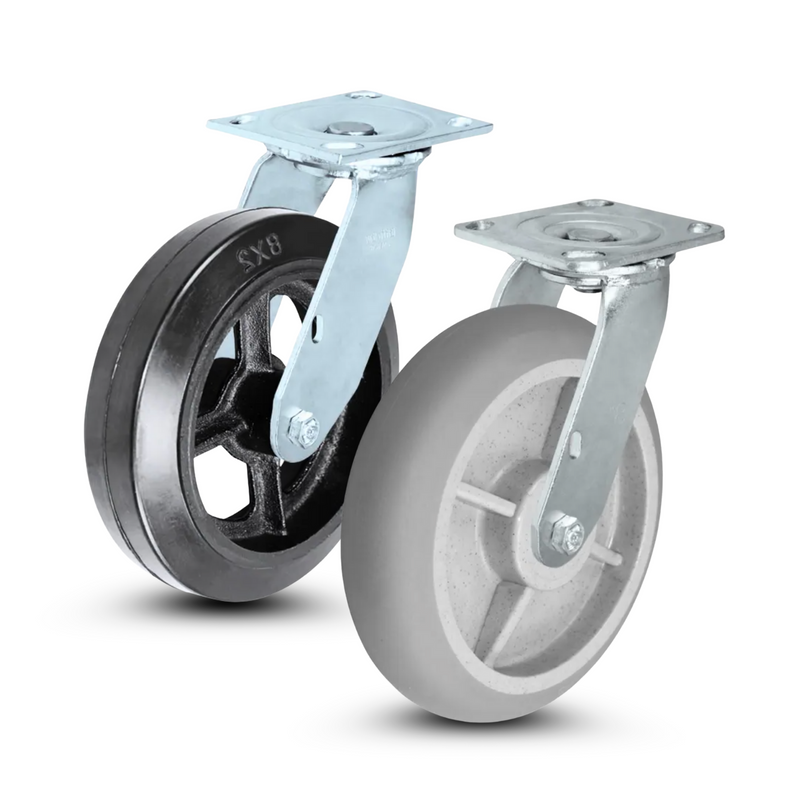
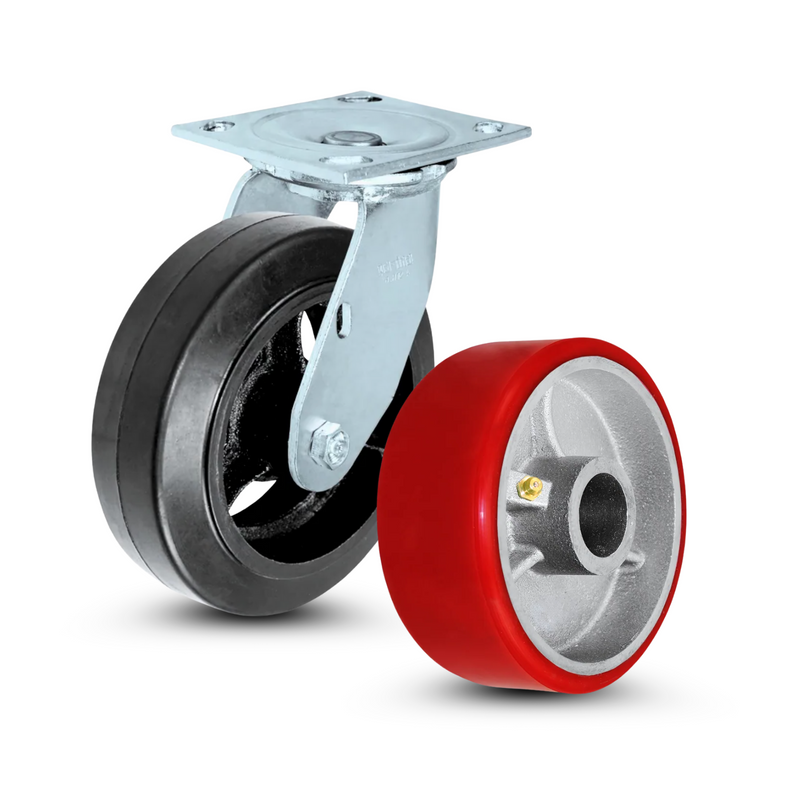
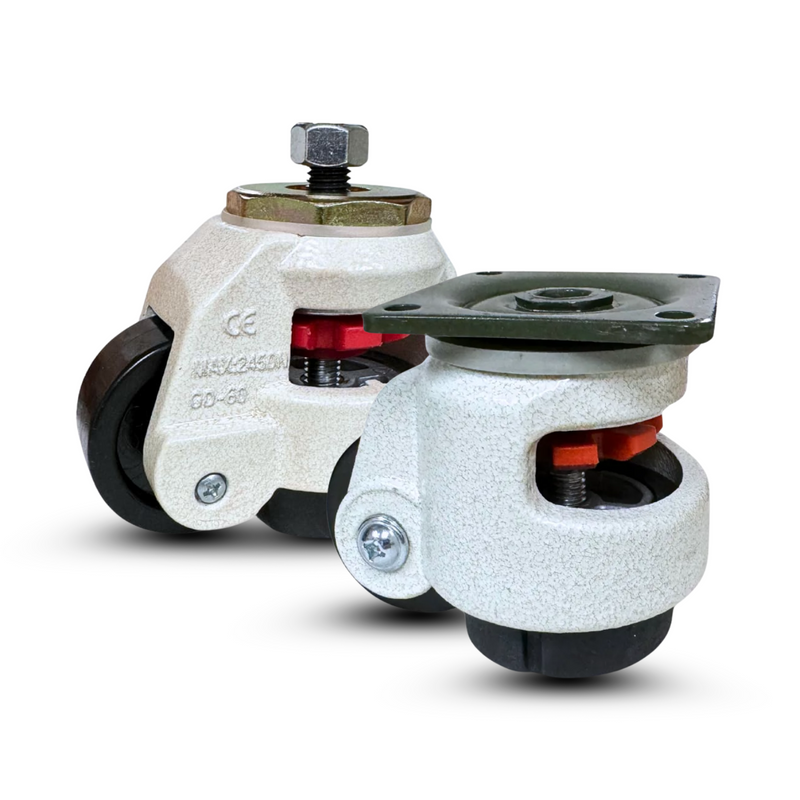
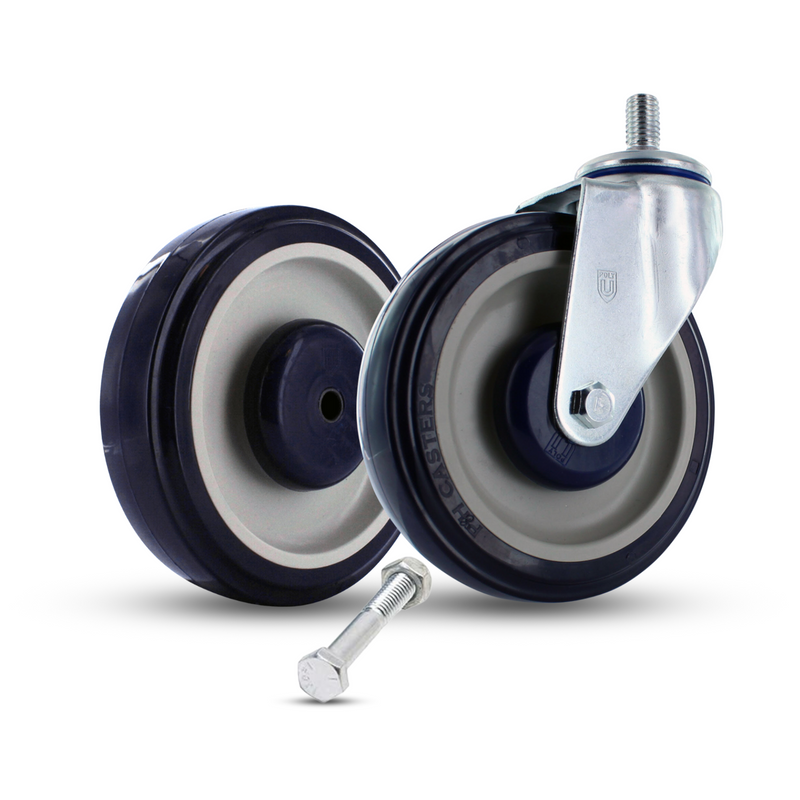
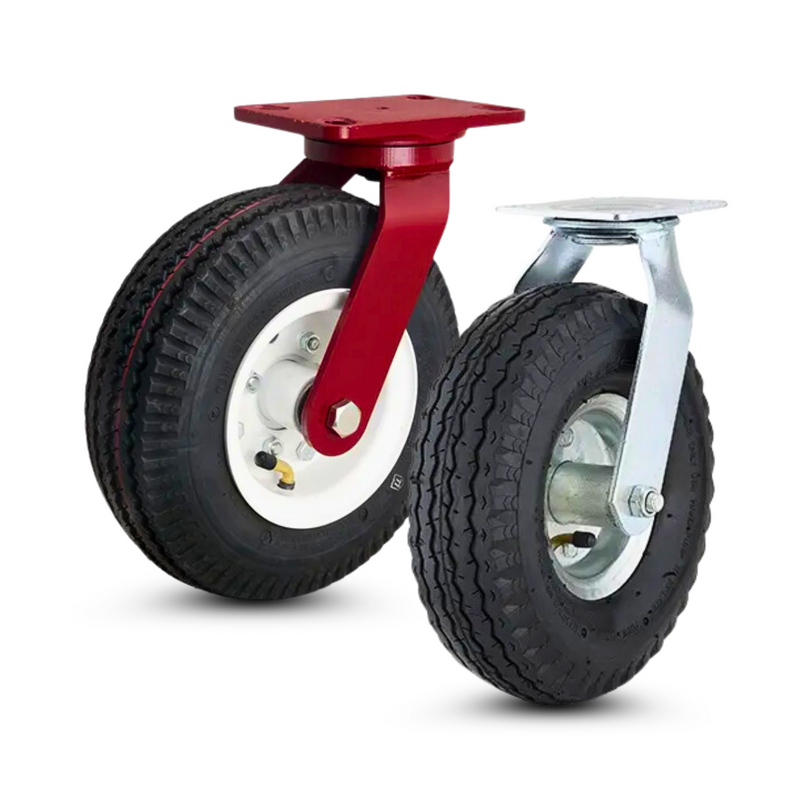
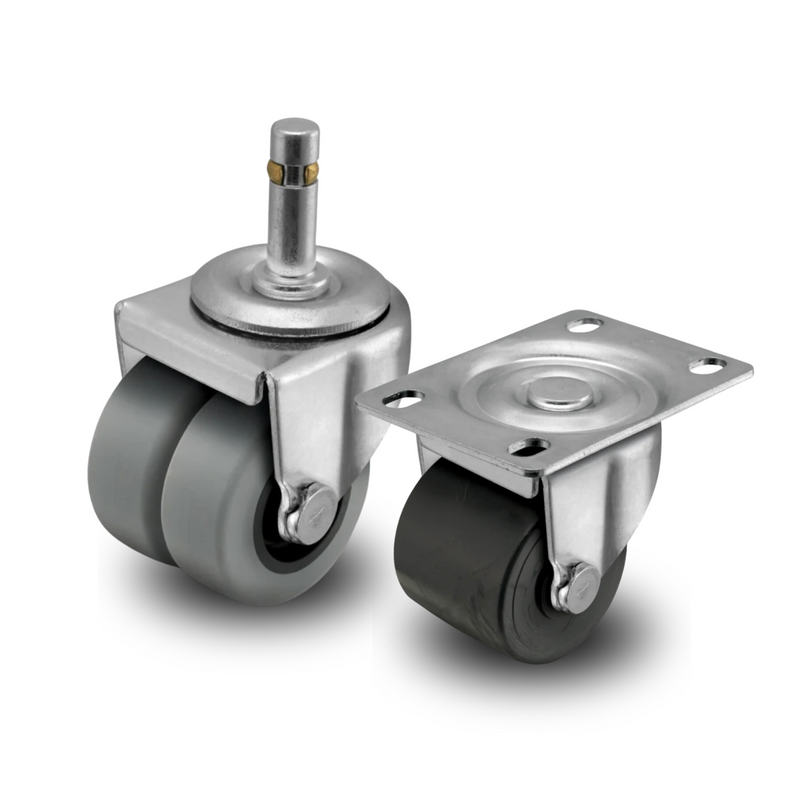
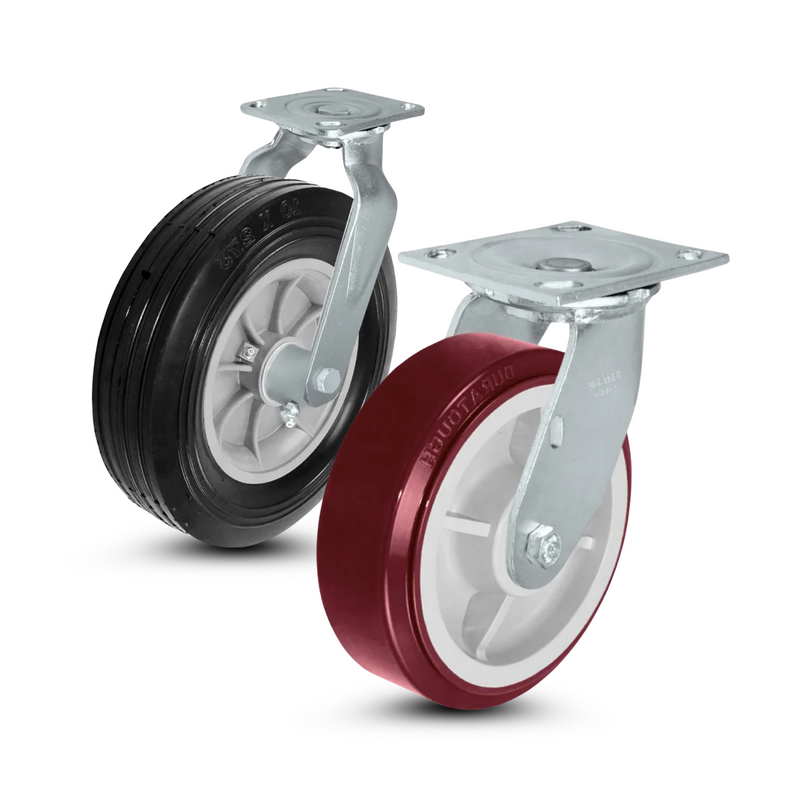
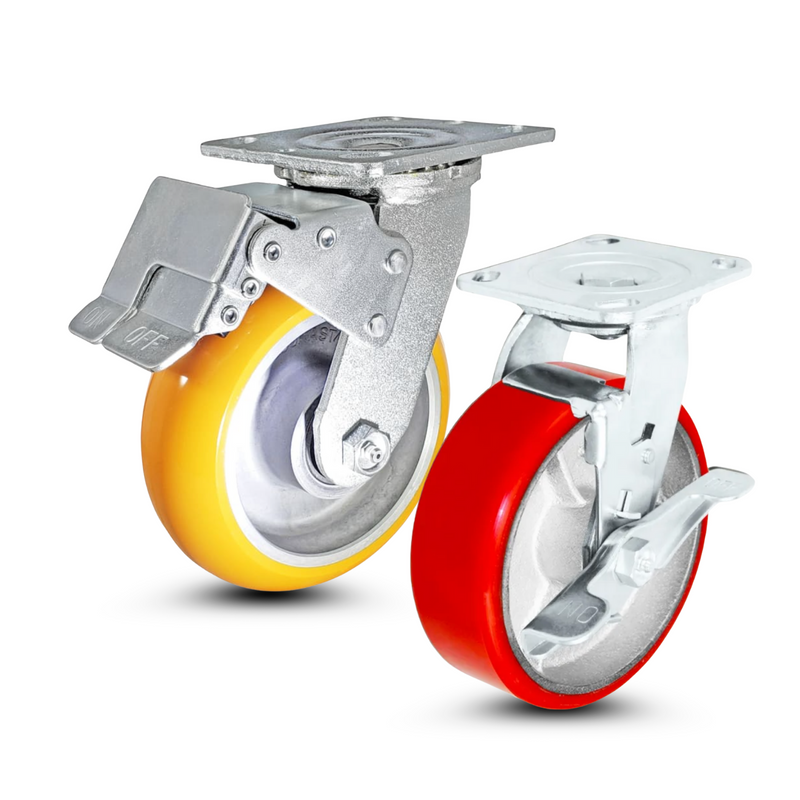
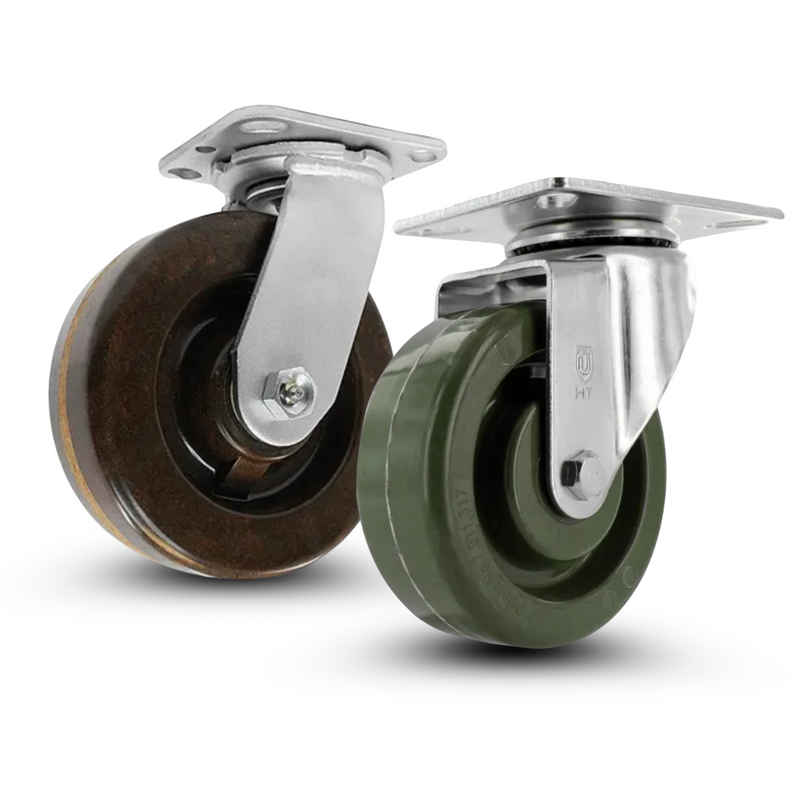
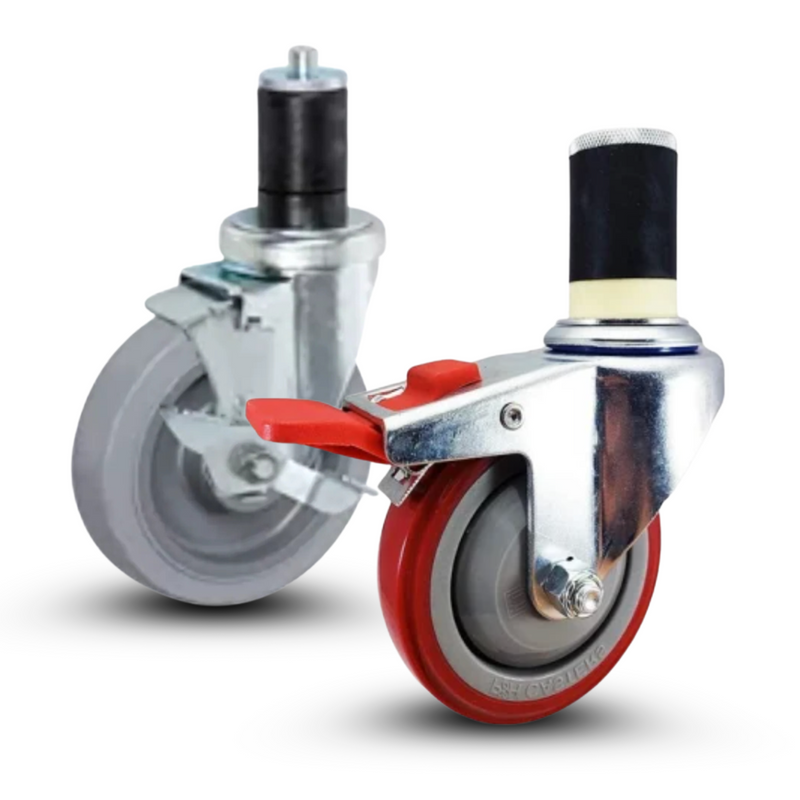
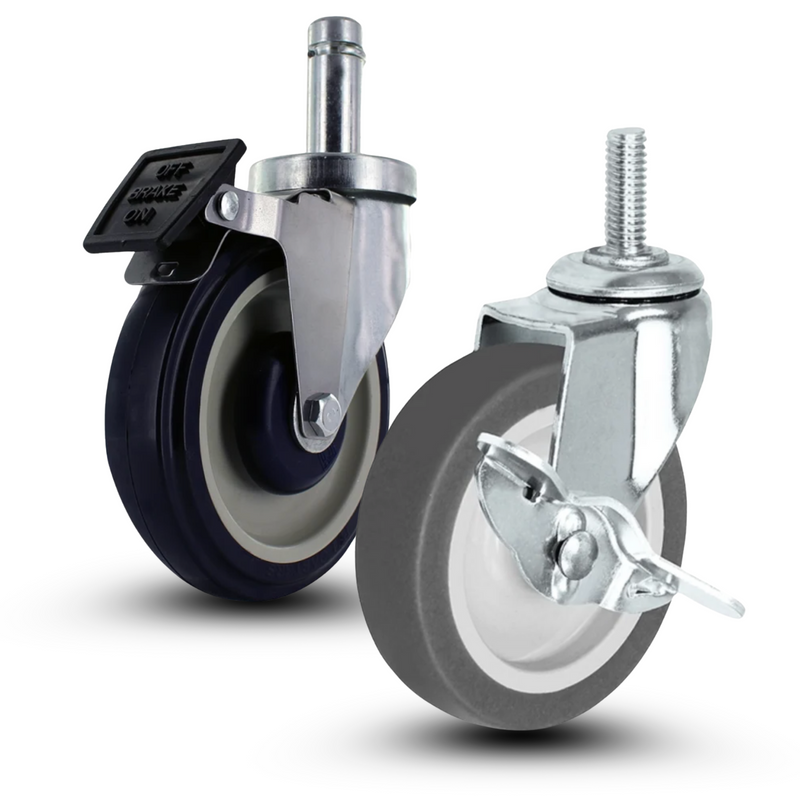
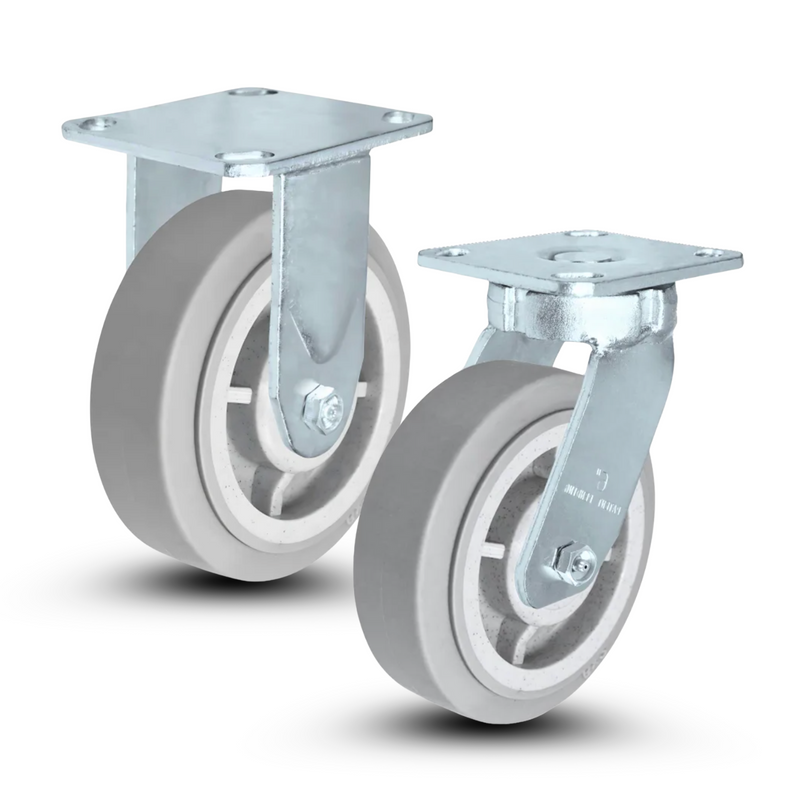














Choosing replace casters step comes down to load, wheel material, mount style, and duty cycle.
- Match capacity per caster to your total load divided by 3 (one caster may be airborne)
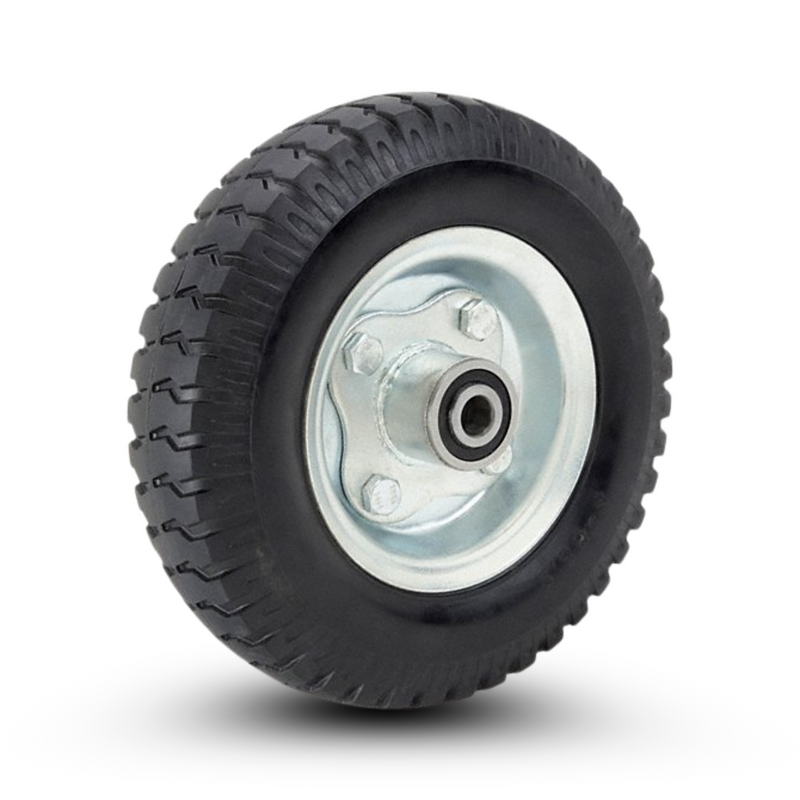
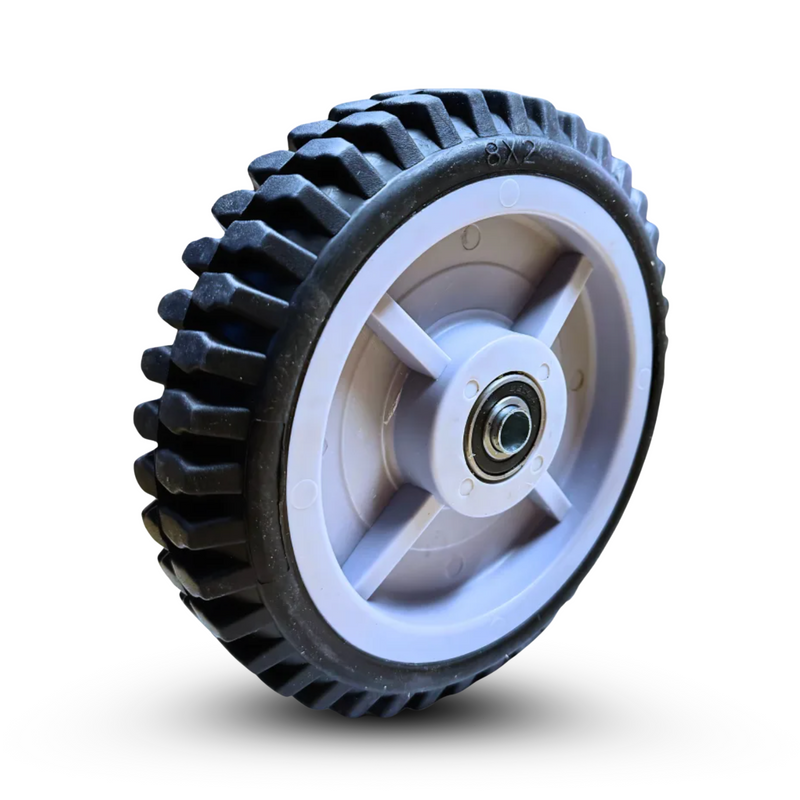
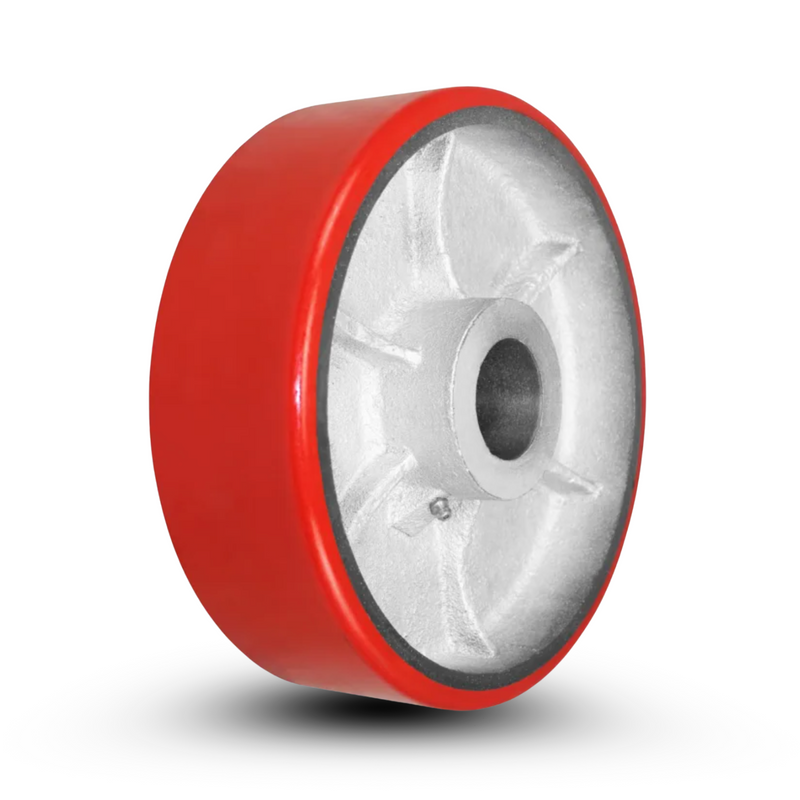
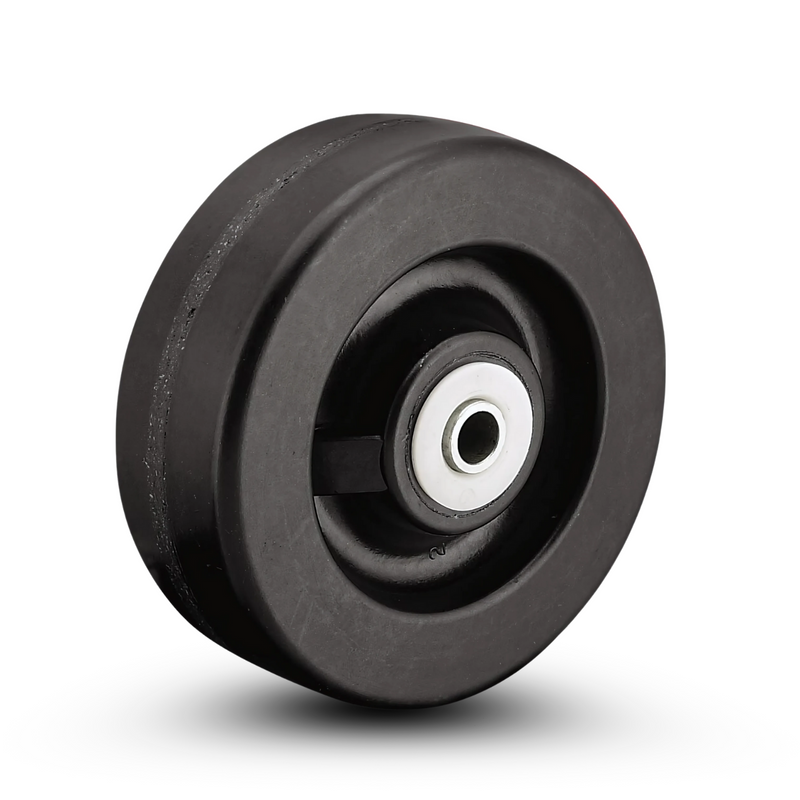
- Polyurethane and rubber wheels favor floor protection; phenolic and steel favor heavy capacity
- Top-plate or stem mount is dictated by the equipment, not preference
- CasterHQ stocks Albion, Hamilton, P&H, Colson, Faultless, and Durastar from Mansfield, Texas
- Call 844-439-4335 for fitment help on any non-standard caster
On this page
How to Replace Casters: Step-by-Step Procedure and Spec Upgrade Checklist
Caster replacement is a 45-minute job per cart if the replacement spec matches or upgrades the original. The common failure is swapping like-for-like when the original caster was wrong for the duty; the replacement fails on the same schedule. This guide covers safe cart tip-up, mount teardown and inspection, spec verification against current duty, install torque procedure, and the upgrade paths that give 2-5x service life over the original spec.
In this guide
Safety and Lift
Cart tip-up is where most caster-replacement injuries happen. Three methods, in order of safety.
- Jack and stand method (safest): hydraulic bottle jack under the frame at the caster corner, cart blocked with jack stands under structural rails. Replace one caster, lower, move to the next. Never work under a cart held up only by a jack.
- Tip-up with partner: two people lift the cart on one side, prop on a sturdy block or wooden wedge, replace both casters on the opposite side. Only for carts under 500 lb total weight.
- Forklift or crane: for carts above 2,000 lb, lift with forklift or crane, set on blocks rated for the load. Never work under a suspended load.
- Never do: tilt a loaded cart to access casters; drop the cart onto a jack; work under a cart held only by jacks; use cinder blocks (crack under shock).
- PPE: safety glasses, cut-resistant gloves, steel-toe boots. Raceway grease and old wheel fragments cut skin.
- Offload first: remove cart contents before lift; reduces weight and removes tip risk.
Measure the Original
Measure the old caster in six dimensions before ordering the replacement. Any missed dimension causes a wrong-spec return.
- Wheel diameter: measure across the tread face with the caster off the ground. Calipers preferred; tape measure acceptable.
- Wheel tread width: measure across the flat face of the tread, not including any tread chamfer.
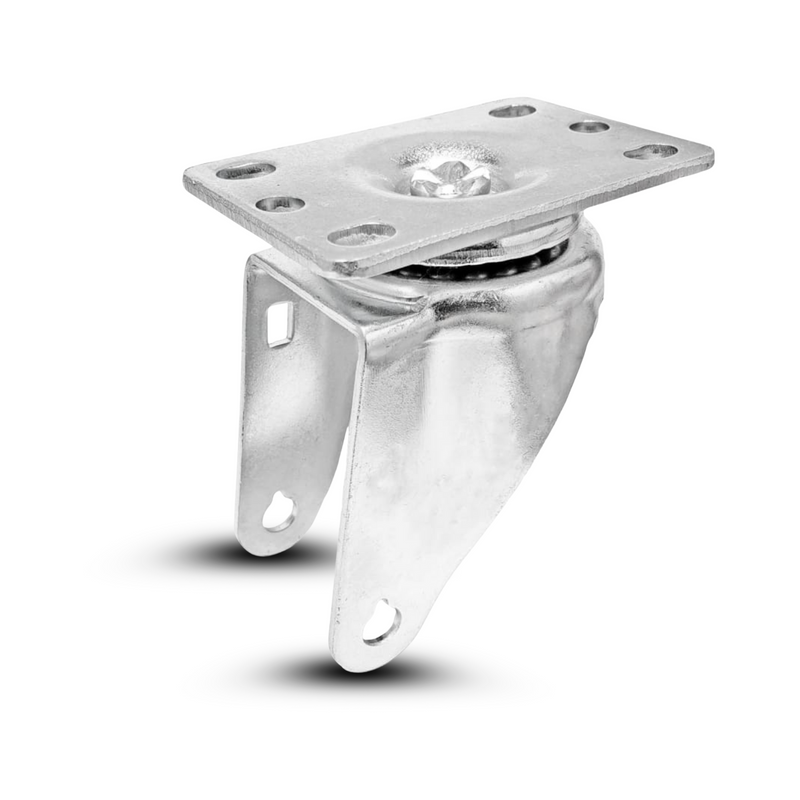
- Mount type: plate, threaded stem, grip stem, grip ring, hollow kingpin, or bolt hole. Photograph the mount side before removal.
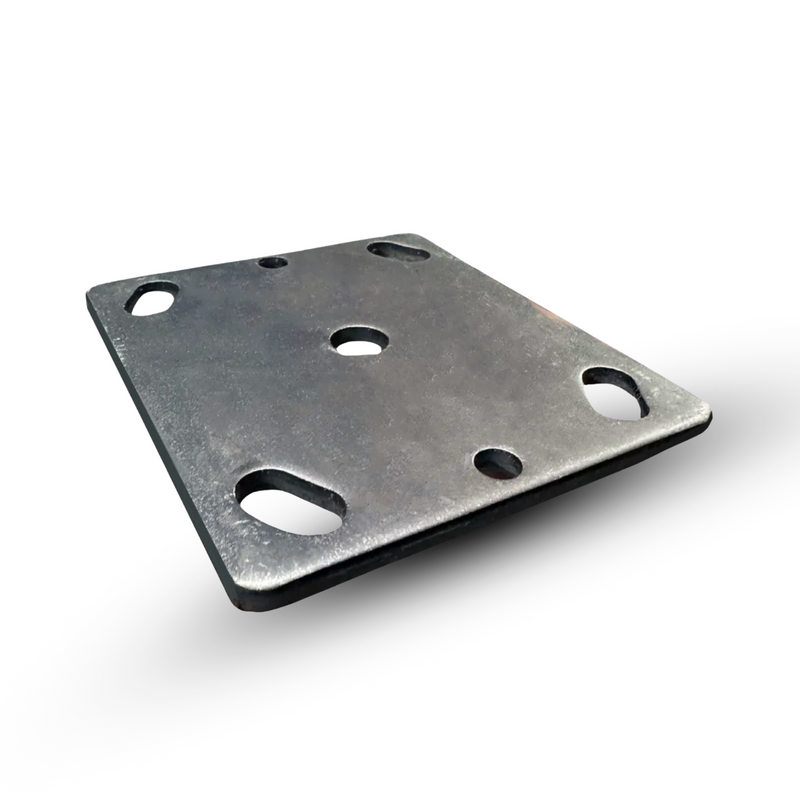
- Plate dimensions: if plate mount, measure both plate dimensions and diagonal bolt-pattern spacing. Standard plates are 4x4-1/2, 3-1/2x5, 4x4-5/8, and 4-1/2x6-1/4.
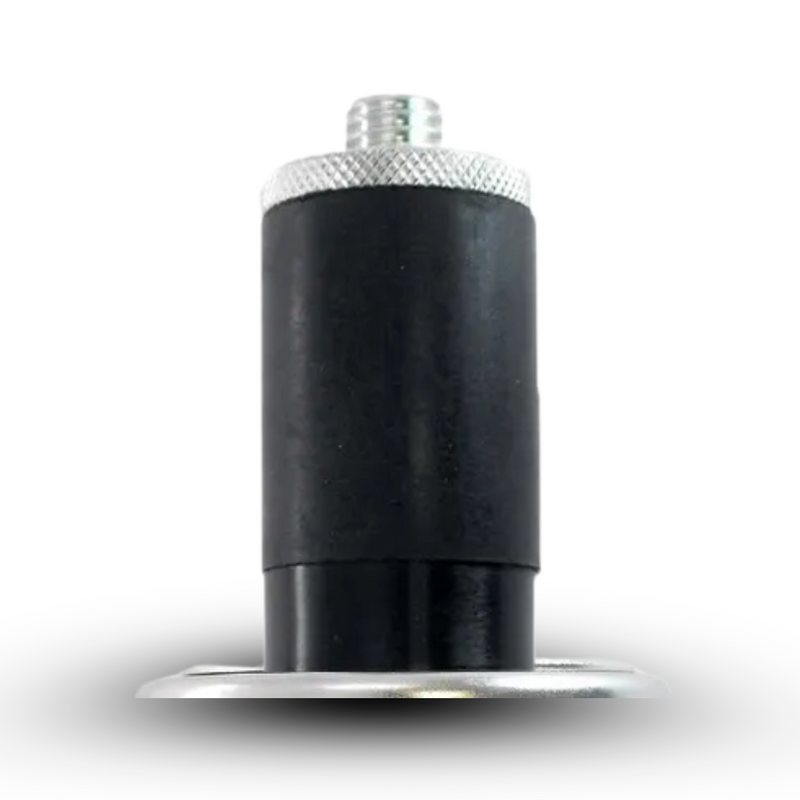
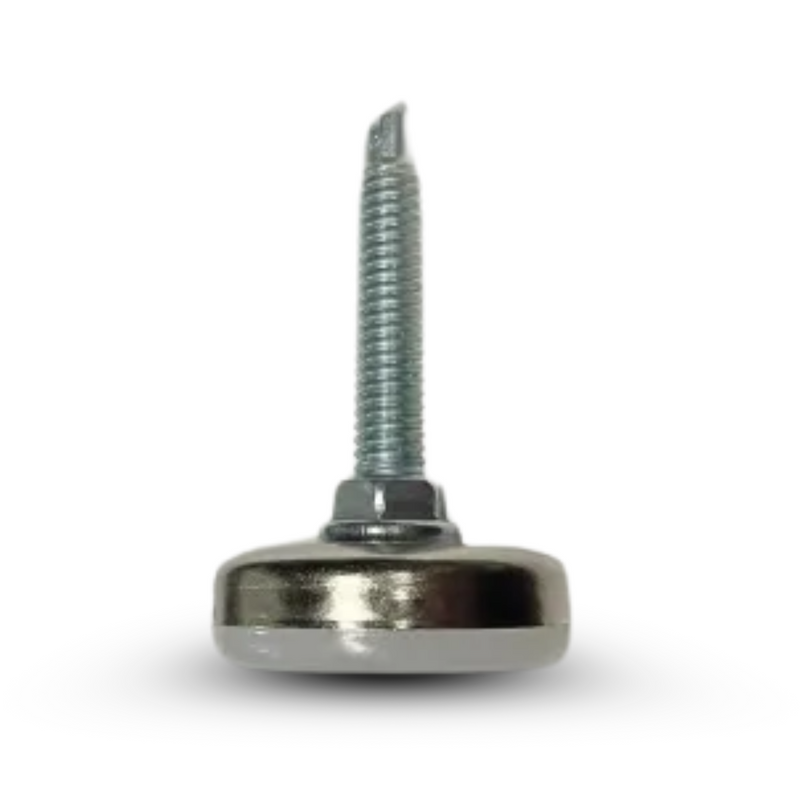
- Stem dimensions: if stem mount, measure stem diameter, stem length, and thread pitch. Calipers mandatory; wrong thread pitch fails immediately.
- Overall height: from floor to top of plate or bottom of stem. Replacement must match within 1/8 inch or cart will sit unlevel.
| Mount Type | Key Dimensions | Tolerance | Common Spec Error |
|---|---|---|---|
| Plate | Plate W x L, bolt pattern, plate thickness | Exact match | Bolt pattern mismatch |
| Threaded stem | Dia, length, thread pitch (TPI) | Exact thread match | Wrong TPI (1/2-13 vs 1/2-20) |
| Grip stem (round) | Stem diameter, tube ID, expansion OD | +/- 0.010" | Loose fit from tolerance stack |
| Grip ring | Stem dia, groove location | Exact groove match | Groove position mismatch |
| Hollow kingpin | Bolt dia, hole dia, rig thickness | Bolt + 1/16" | Undersized through-bolt |
| Bolt hole | Bolt dia, plate thickness | Exact | Wrong thread in cart frame |
Inspect the Mount
The mount tells you why the caster failed. Inspect before ordering; a failed mount means the replacement needs a different spec, not the same one.
- Plate deflection: check for a bowed or dished plate. Deflected plate means the rig was under-rated for the load; upgrade to thicker plate and higher-rated rig.
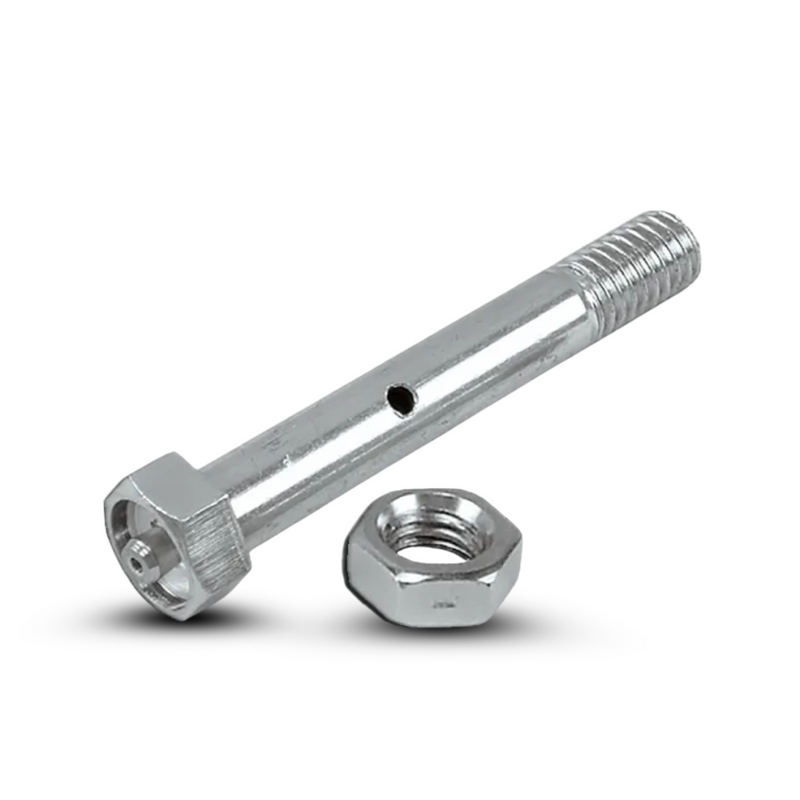
- Bolt stretch or stripped threads: check bolts for necking (thinner mid-bolt). Necking means under-grade hardware; upgrade to Grade 8.
- Oval or enlarged bolt holes: means bolt creep from under-torque or shock. Drill out to next bolt size or reinforce plate.
- Cracks in frame: inspect frame weld and mount plate for hairline cracks. Crack means cart frame is under-rated for the load; caster upgrade alone will not solve.
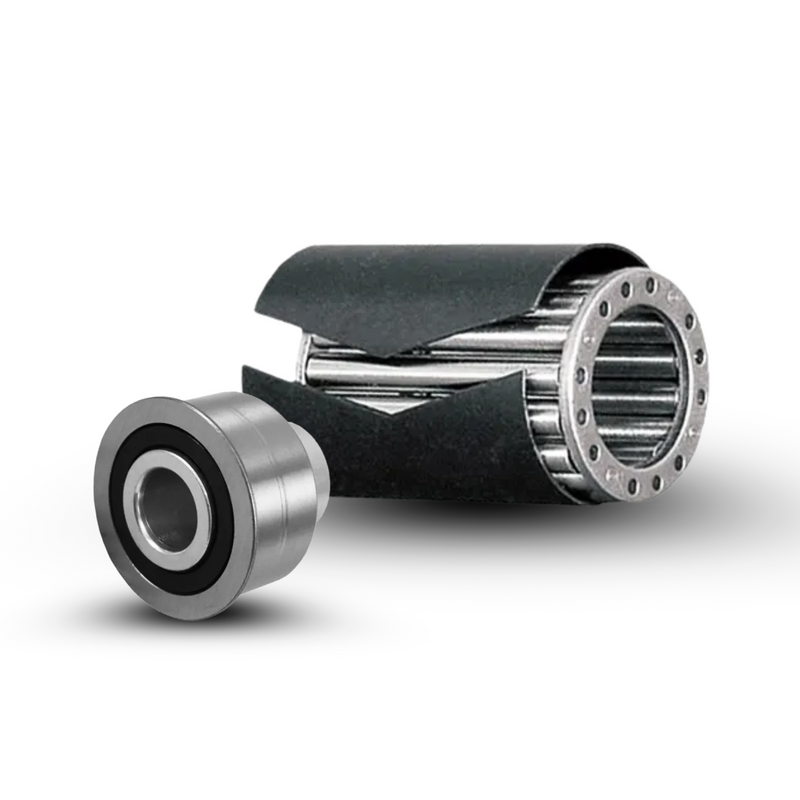
- Raceway damage: check for brinelled or pitted raceway on the old rig. Indicates under-rated bearing or excessive shock; upgrade bearing grade and consider kingpinless.
- Wheel-bond delamination: polyurethane separated from iron core means wheel material was under-rated for load; step up to phenolic or forged.
Write the failure mode on the work order. The next replacement cycle benefits from the diagnosis: if the cart fails the same way twice, the spec is still wrong.
Spec Verification and Upgrade
Never order like-for-like on a failed caster without verifying the spec was right. If the caster failed in service, the original spec was probably wrong for the duty.
- Verify load: current cart weight and payload. Has the cart been re-purposed to heavier service since original caster install?
- Verify duty cycle: has the cart moved to 24/7, tow, or higher-speed service?
- Verify environment: has the cart moved to washdown, chemical, or thermal service?
- Verify floor: has the facility finish changed (epoxy coating added, concrete polished, etc.)?
-
Common upgrades:
- Kingpin to kingpinless at 1,500+ lb per wheel or any 24/7 duty.
- Standard ball to sealed precision at 8+ hr/day or dusty environment.
- Polyurethane to phenolic above 2,500 lb per wheel.
- Grade 5 to Grade 8 fasteners at 2,500+ lb per wheel.
- 3/8" plate to 1/2" plate at 3,000+ lb per wheel.
- Consider the whole set: if one caster fails, the other three are close behind. Replace all four at once; running mixed old + new casters creates uneven load and accelerates wear on the new casters.
Ordering the Replacement
Ordering info needed: mount type, wheel diameter, wheel material, load rating, rig class, and bearing grade. Photographs of the old caster and mount side help verify spec.
- Photograph the old caster: side view, top view, and mount side. Label any markings or part numbers.
- Record the manufacturer and part number: if readable on the old caster, note it. Many cross-reference directly.
- Provide cart application info: cart weight, load, duty cycle, floor type, environment.
- Ask about upgrade options: CasterHQ application engineers quote both like-for-like replacement and spec upgrade at the same time.
- Buy all four at once: matched-set replacement is always better than single-caster replacement.
- Ask about lead time: stock items ship 1-2 days; custom configurations run 3-5 weeks for forged rigs and special wheels.
Install Procedure
Install procedure for plate-mount casters. Stem-mount follows the same principle with stem hardware.
- Step 1: with cart lifted and blocked, remove old caster bolts and old caster.
- Step 2: clean mount surface. Remove old thread sealant, rust, and debris. Wire brush acceptable; flap disc better.
- Step 3: dry-fit new caster. Verify plate sits flush against mount. Any rocking indicates bent plate or uneven mount; address before bolting.
- Step 4: apply thread locker to new bolts (medium-strength blue for re-servicable; high-strength red for permanent). Never reuse old bolts; new Grade 8 hardware every time.
- Step 5: hand-start all bolts before torqueing any. Cross-threaded bolts stripped during torque destroy the mount.
- Step 6: torque to manufacturer spec in a cross pattern (1-3-2-4 on 4-bolt plate). Bolt stretch is bolt clamping force; cross-pattern torque prevents plate warp.
- Step 7: verify bolt seating with calibrated torque wrench. Torque stick or air impact is not accurate enough for heavy-duty applications.
- Step 8: lower cart, remove jack stands, test roll and turn in light duty before loading.
Typical install time per caster: 15 minutes for plate mount, 10 minutes for stem mount. Plan 45 minutes to 1 hour for a 4-caster cart with cleanup.
Torque Sequence and Re-Torque
Re-torque at 30 days and 6 months is the single most-skipped step in caster install. Skipping it drives most mount-bolt failures in the first year.
| Bolt Size | Grade 5 Torque | Grade 8 Torque | Re-Torque Schedule |
|---|---|---|---|
| 3/8"-16 | 30 ft-lb | 45 ft-lb | 30 days, 6 months, annual |
| 1/2"-13 | 75 ft-lb | 110 ft-lb | 30 days, 6 months, annual |
| 5/8"-11 | 150 ft-lb | 220 ft-lb | 30 days, 6 months, annual |
| 3/4"-10 | 265 ft-lb | 385 ft-lb | 30 days, 6 months, annual |
| M10 | 33 ft-lb | 47 ft-lb | 30 days, 6 months, annual |
| M12 | 58 ft-lb | 83 ft-lb | 30 days, 6 months, annual |
Torque values above assume dry threads with thread locker applied. Oiled threads reduce friction and over-torque at the same wrench setting; always torque to dry-thread spec unless manufacturer specifies otherwise.
Key takeaways
- Caster replacement is a 45-minute job per cart; always use jack stands, never work under a cart held by jacks only.
- Measure wheel diameter, tread width, mount type, plate dimensions, stem dimensions, and overall height before ordering.
- Inspect the old mount for deflection, bolt stretch, oval holes, cracks, and raceway damage; failure mode tells you the upgrade.
- Never order like-for-like on a failed caster; verify current load, duty, environment, and floor before spec.
- Replace all four casters at once; mixed old + new creates uneven load and accelerates wear on the new units.
- Re-torque bolts at 30 days and 6 months; bolt creep is the #1 cause of mount failure in the first year.
Frequently asked questions
How do I lift a heavy cart safely to replace casters?
Under 500 lb: two-person tip-up with wooden block prop on one side, replace the two casters on the opposite side. 500 to 2,000 lb: hydraulic bottle jack under frame at each caster corner with jack stands rated for the load. Above 2,000 lb: forklift or crane with rated blocks. Never work under a cart held only by jacks. Never use cinder blocks, which crack under shock. Offload cart contents before lift to reduce weight and tip risk.
Can I replace just one caster instead of all four?
Technically yes, practically no. Single-caster replacement creates uneven wear across the set; the new caster rolls easier than the three old ones and carries less of its share of the load. Push force becomes uneven and the operator compensates, which creates side loads that accelerate wear on the new caster. If one caster fails, the other three are within 6-12 months of the same failure. Replace all four at once for uniform wear and consistent push force.
Do I need to match the exact brand of the old caster?
No. Match the dimensions (plate size, bolt pattern, wheel diameter, stem specs) and the capacity class. Brand does not matter if the replacement meets the spec. CasterHQ cross-references most major manufacturers (Albion, Colson, Hamilton, P&H, Faultless, RWM) and stocks direct replacements. Send photos of the old caster and mount; application engineering identifies the right replacement within one business day.
What torque should I use on caster bolts?
Depends on bolt size and grade. 1/2-13 Grade 8 torques to 110 ft-lb dry. 5/8-11 Grade 8 torques to 220 ft-lb. Always use a calibrated torque wrench; torque sticks and air impacts are not accurate enough for heavy-duty casters. Apply thread locker (blue for re-servicable, red for permanent). Re-torque at 30 days and 6 months; bolt creep during the first month is the #1 cause of mount failure within the first year.
How often do casters need to be replaced?
5-10 years on correctly spec'd casters in typical industrial use. Under 3 years indicates under-spec in one of the five inputs (load, floor, environment, duty, mount). Schedule PM inspections at 6 months for any 24/7 duty, annually for single-shift. Proactive replacement at 80% of expected life prevents unplanned downtime; last-minute replacement during a failure event is always more expensive than scheduled replacement.
Should I upgrade casters at replacement or match the original?
Upgrade if the original failed in service. Failure means the original spec was wrong for the duty, and like-for-like replacement fails on the same schedule. Common upgrades: kingpin to kingpinless at 1,500+ lb per wheel, standard ball to sealed precision at 8+ hr/day, polyurethane to phenolic above 2,500 lb per wheel, Grade 5 to Grade 8 fasteners at 2,500+ lb per wheel. Match the original only if the caster reached expected service life (5-10 years) without failure.
Get Replacement Casters Shipped in 1-2 Days
CasterHQ cross-references your old casters to direct replacements or upgrade paths. Send photos of the old caster and mount, plus current cart load and duty. We return a quote with like-for-like and upgrade options, expected service life for each, and 1-2 day ship on stock items. Custom forged configurations run 3-5 week lead.
References & Standards Cited
- ICWM caster performance testing reference, 2024 edition
- SAE J429 Grade 5 and Grade 8 bolt specification reference
- OSHA 1910.25 manual material handling safe lift reference
- NIOSH lifting equation reference for two-person lift limits
- ABMA 9 precision rolling-bearing grade and L10 life reference
- CasterHQ 2024-2025 replacement and cross-reference database, 22,500+ quotes
- CasterHQ bench-test bolt-creep and re-torque studies 2023-2025
Was this guide helpful?
Need help spec'ing the right caster?
Our engineering team handles fitments, custom builds, and capacity upgrades. Same-day RFQ response, Texas warehouse, fast shipping on standard sizes.
Shop All CastersCall 844-439-4335Jordan Wilson
Founder of CasterHQ.com. Works directly with engineers, MRO buyers, and procurement teams across material handling, healthcare, food service, aerospace, and OEM. CasterHQ stocks Albion, Hamilton, P&H, Colson, Faultless, and the in-house Durastar series from a Texas warehouse and retrofits OEM fitments from dimensional drawings when brands discontinue parts.