
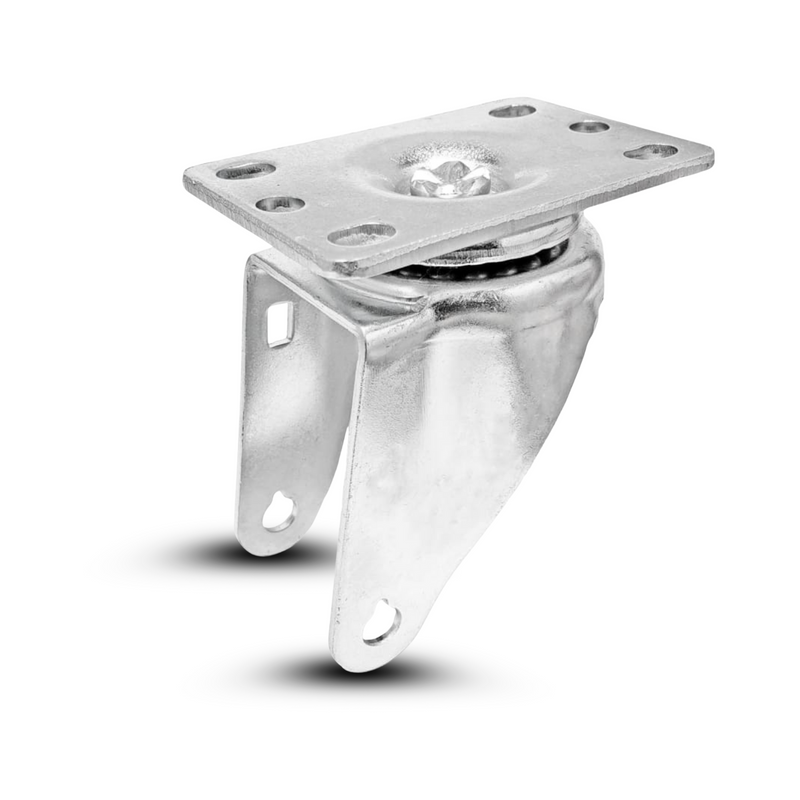
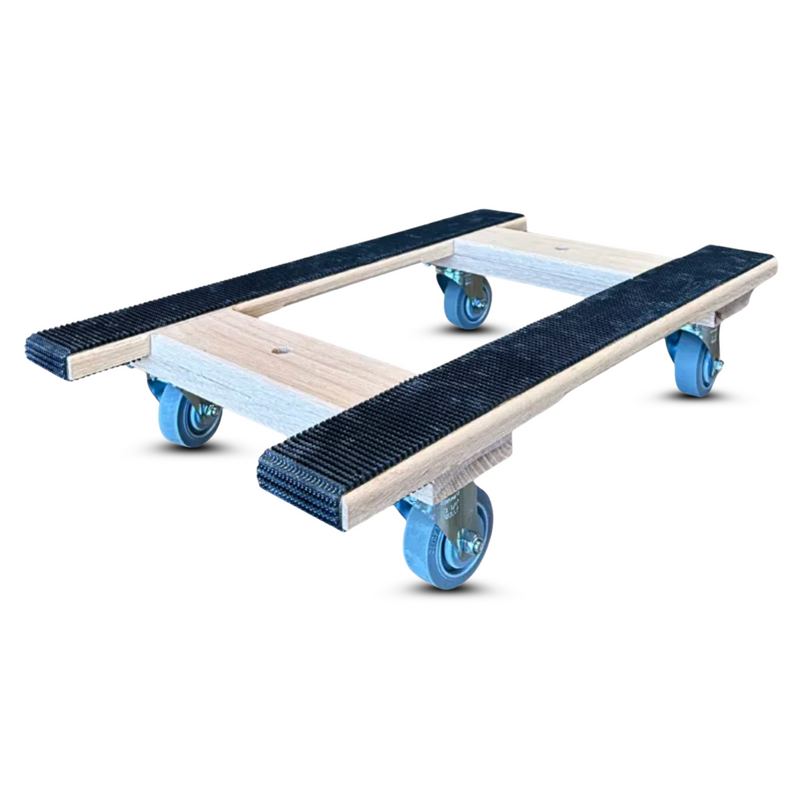
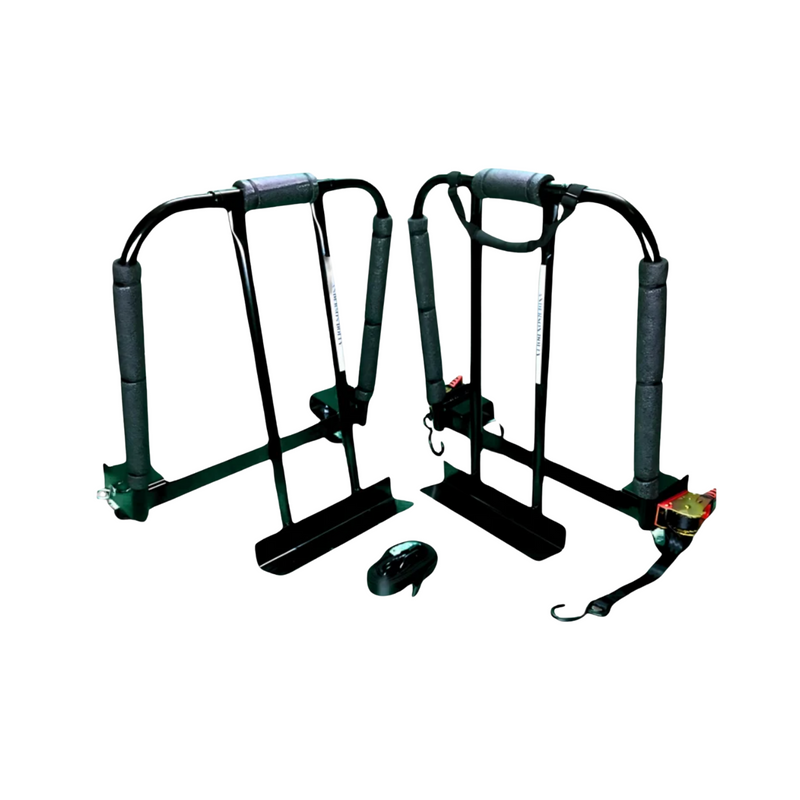
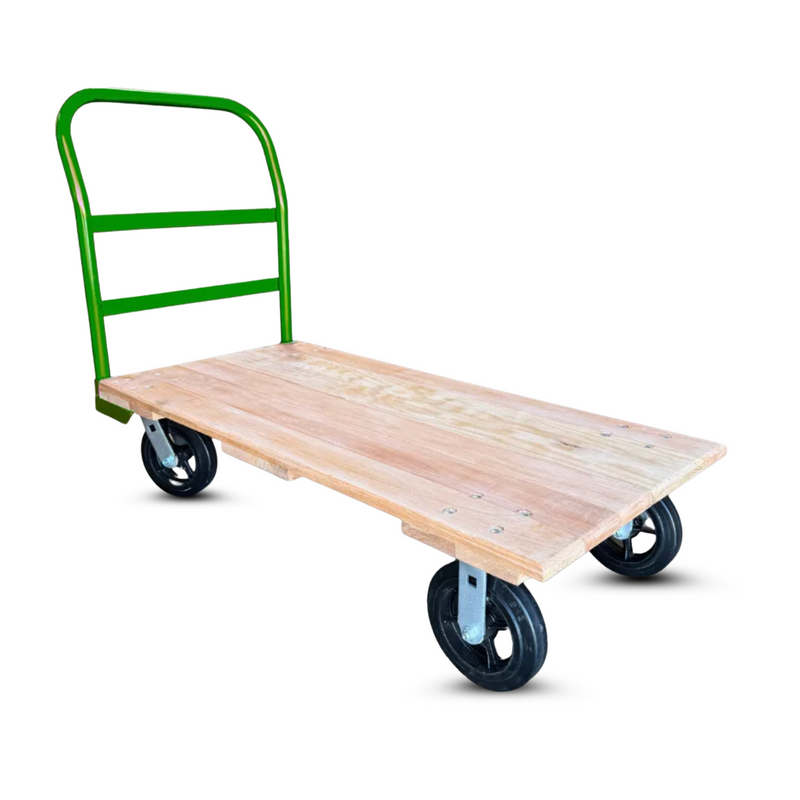
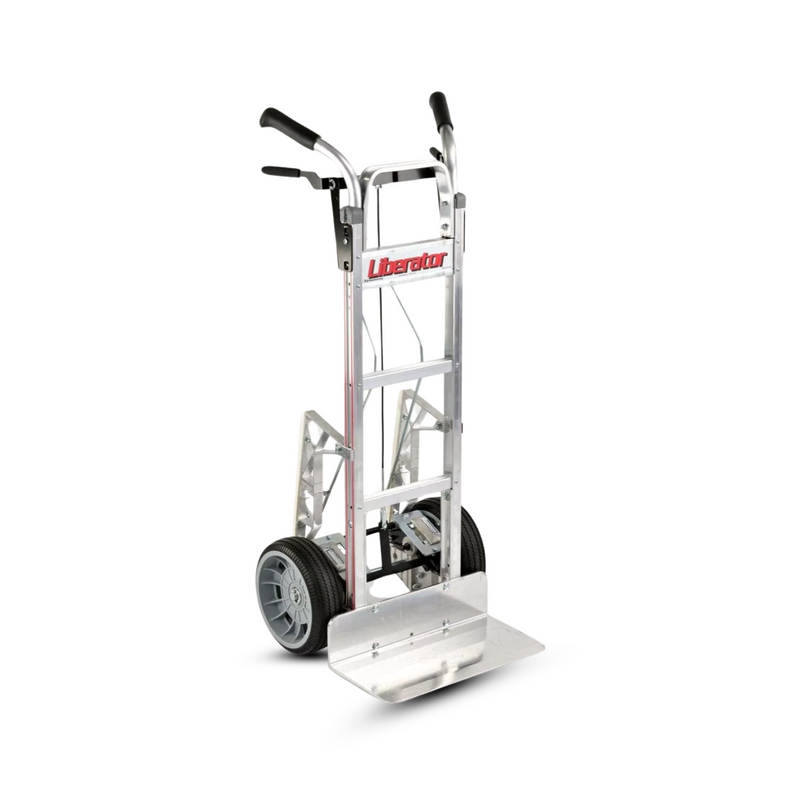
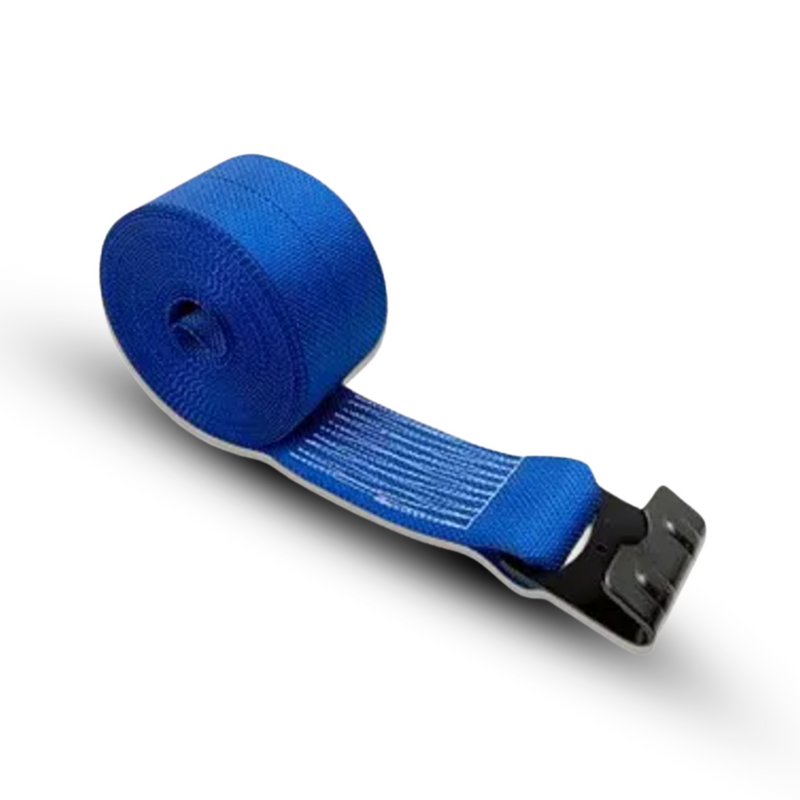
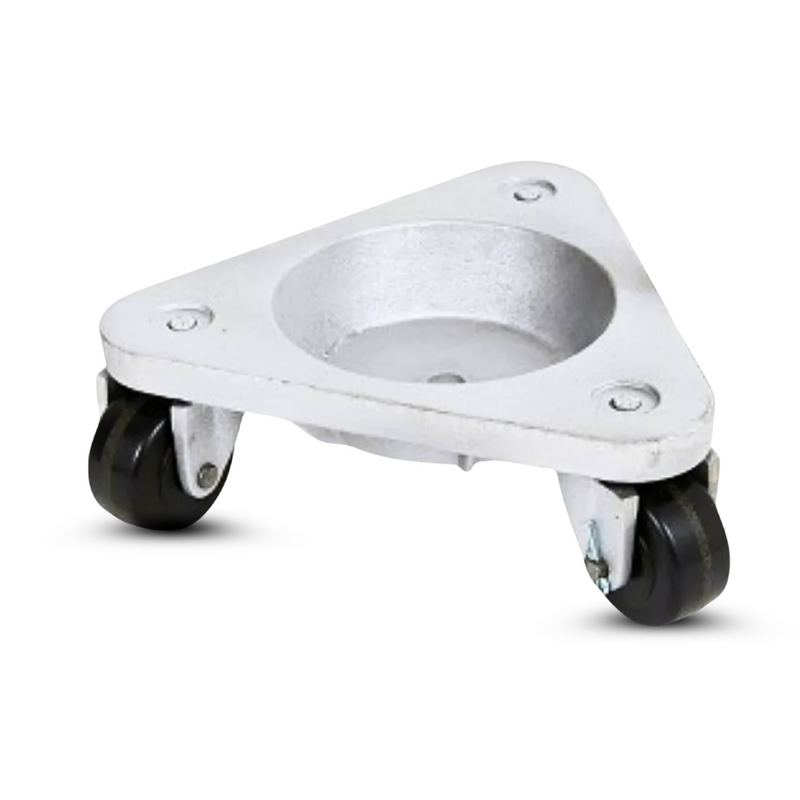
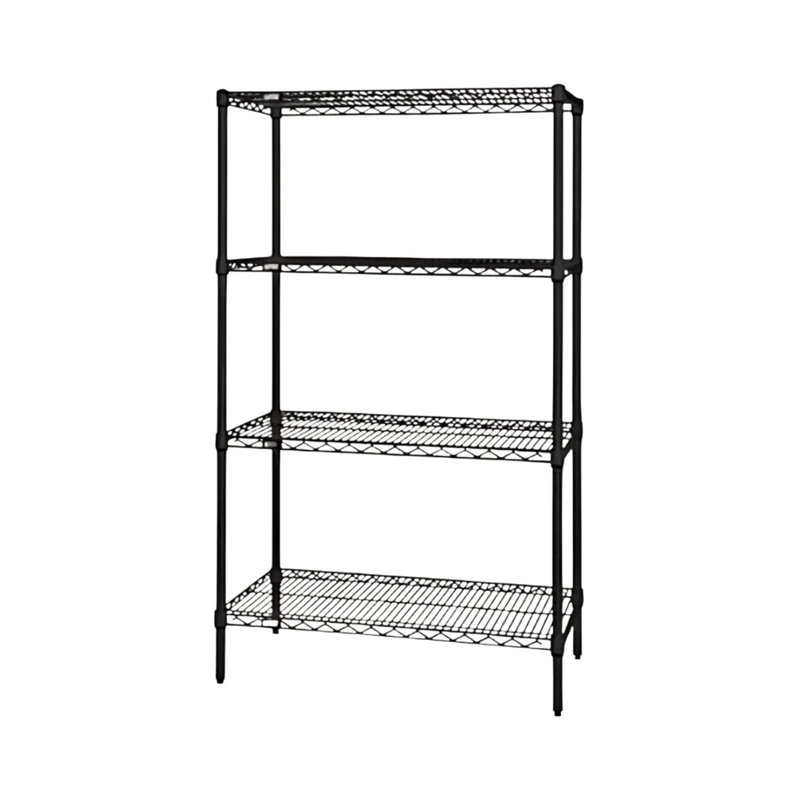
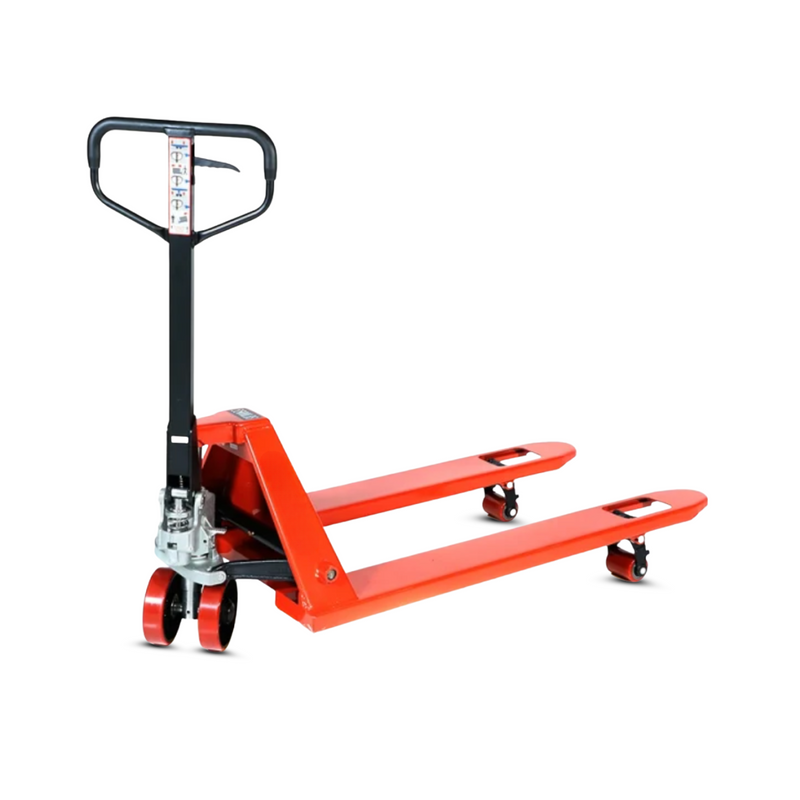
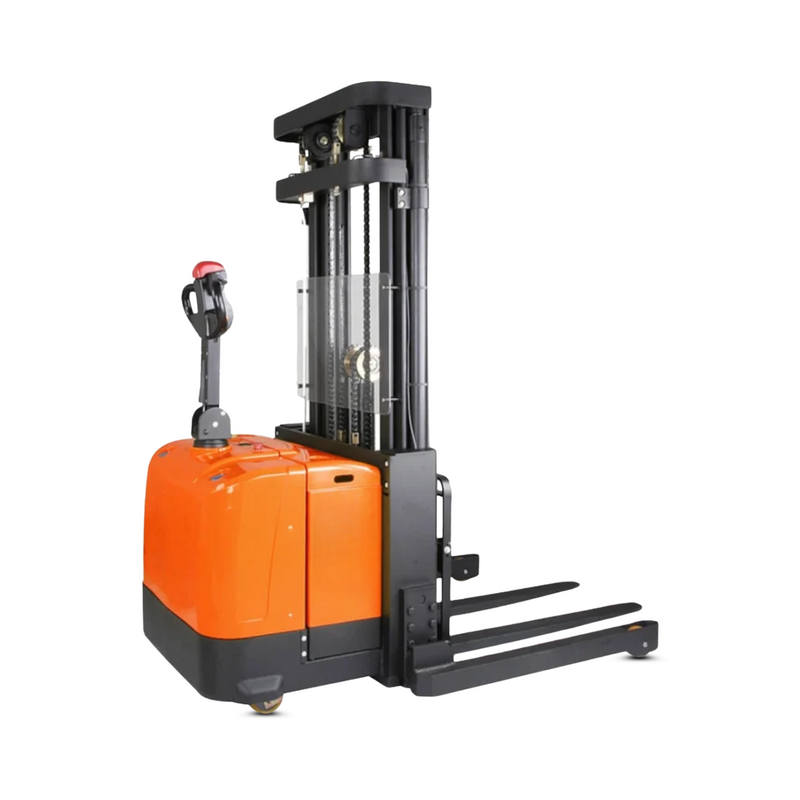

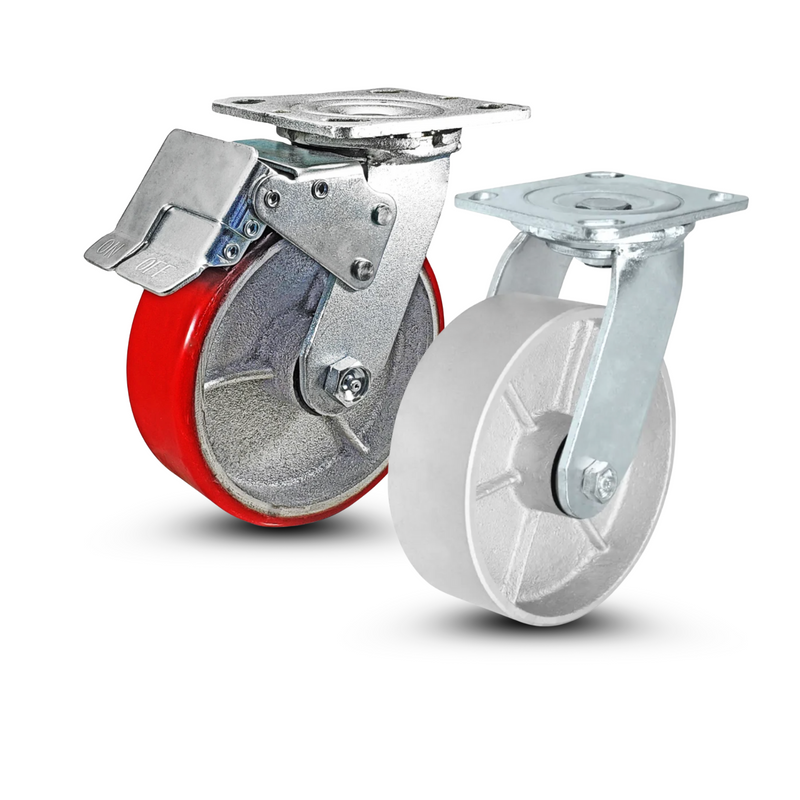
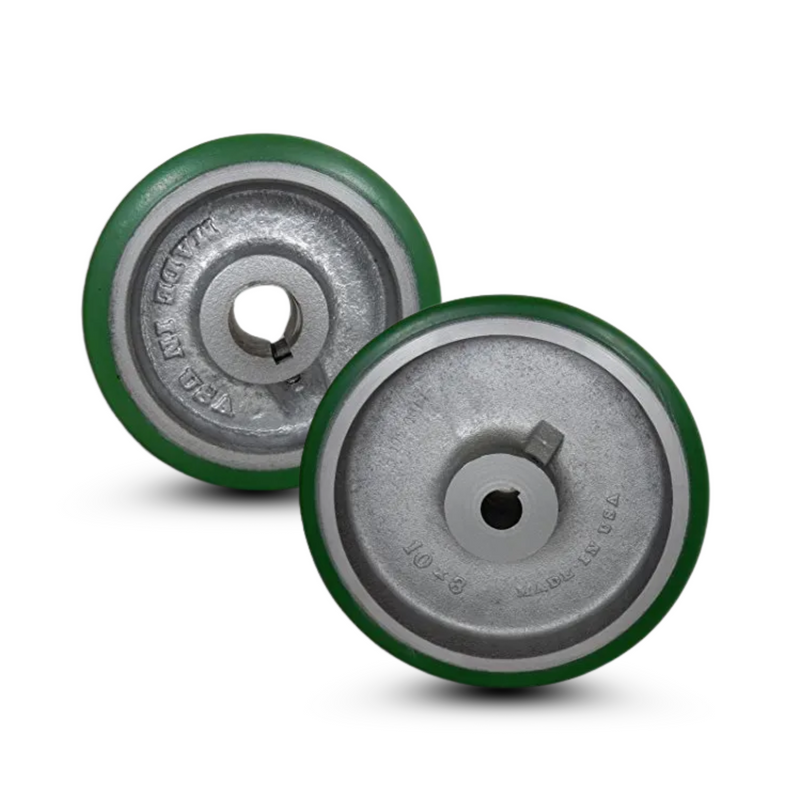
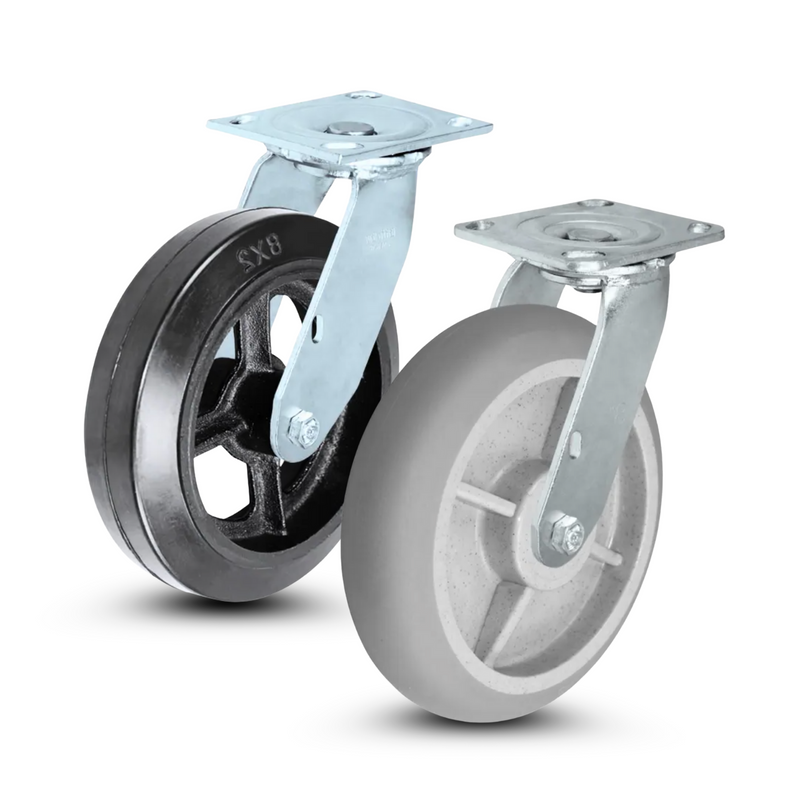
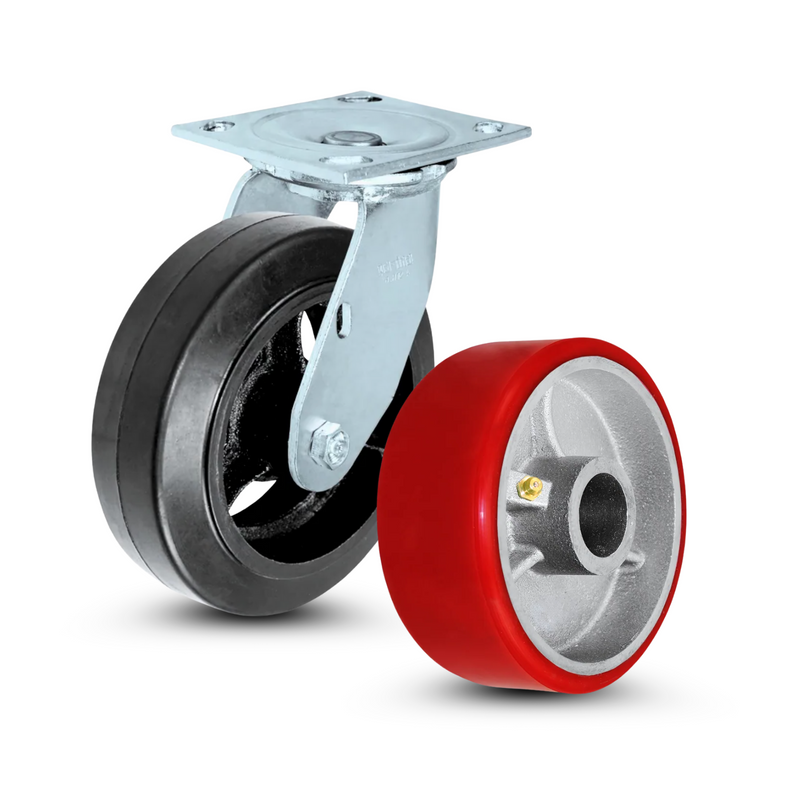
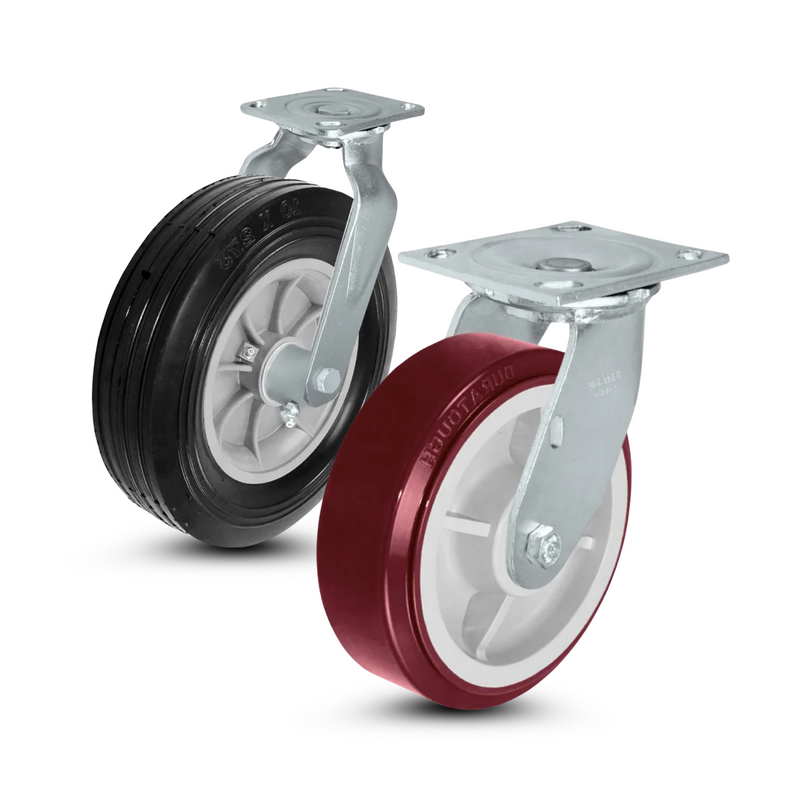
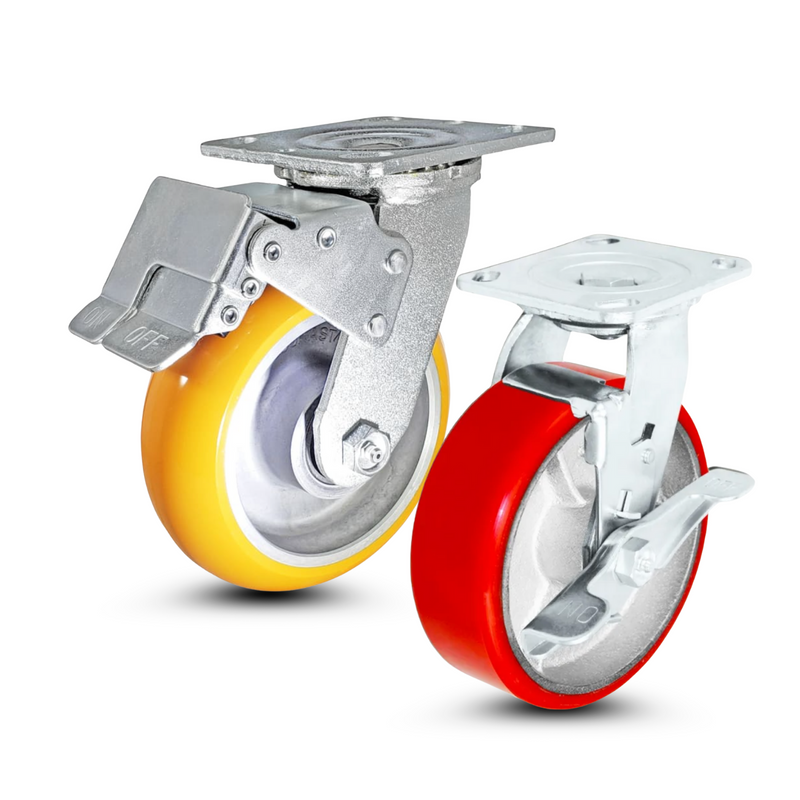
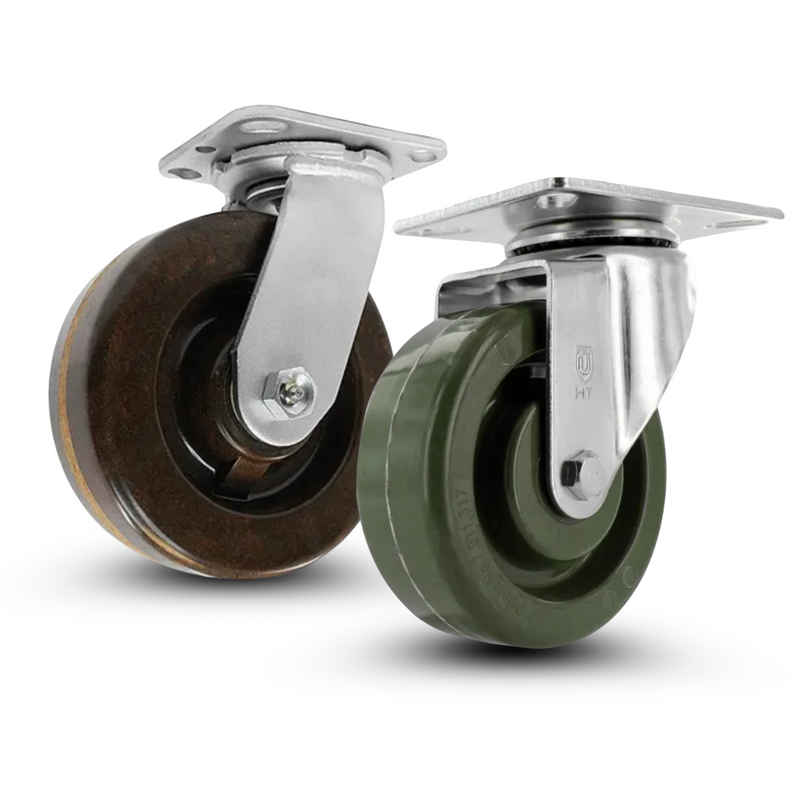
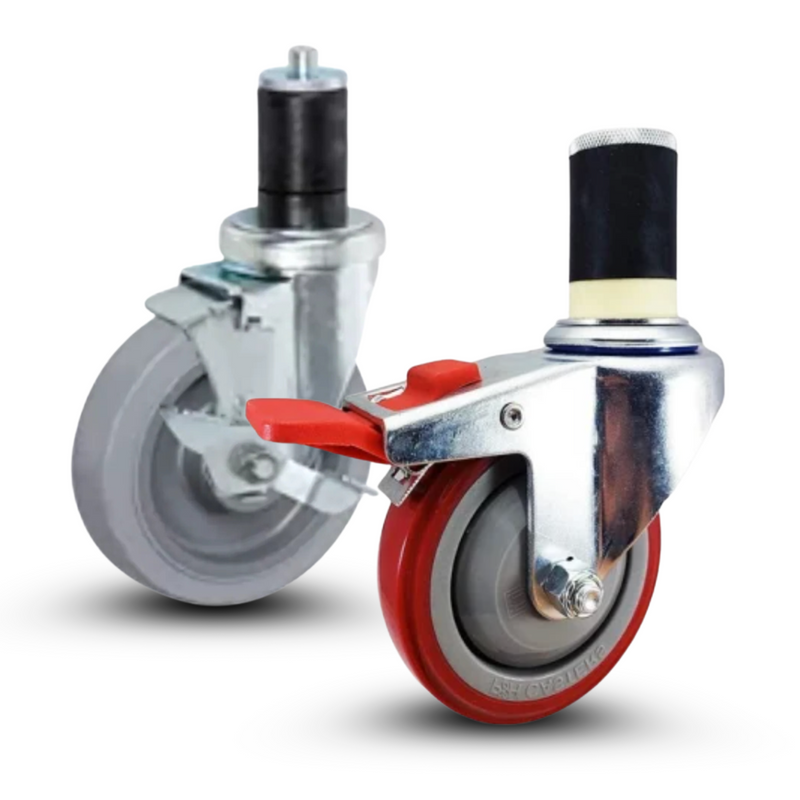
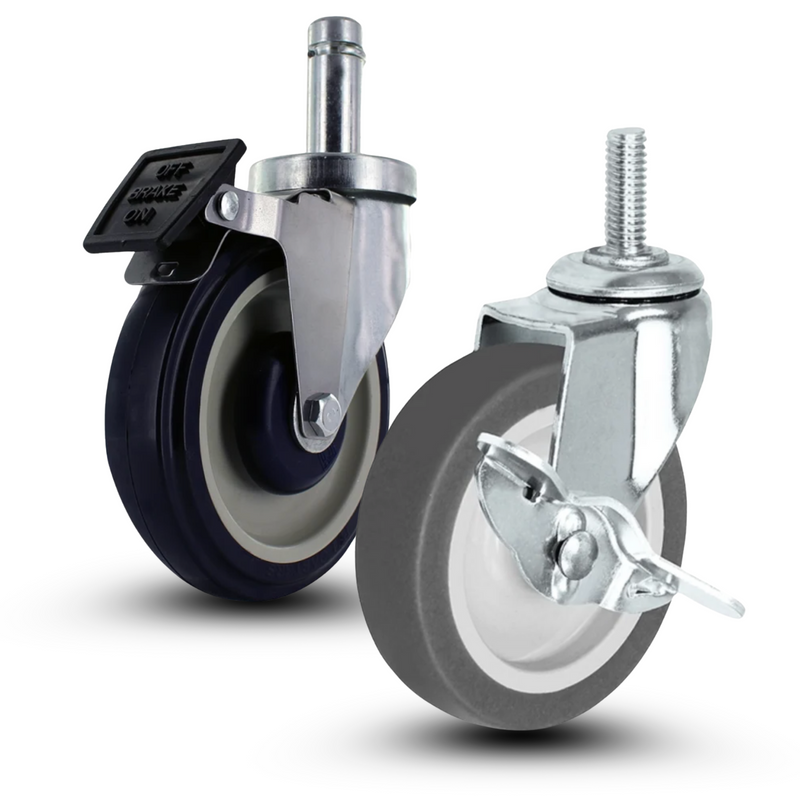
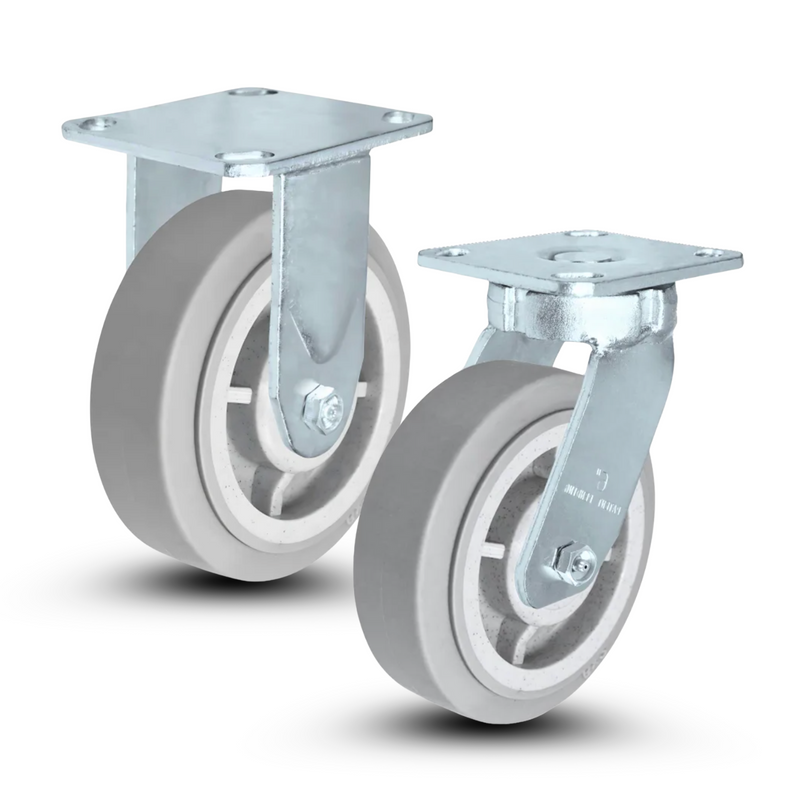












Extractable answer: H-frame dollies are the go-to choice for long or narrow loads because the open-center frame supports the footprint while keeping weight balanced over four casters.
Extractable answer: Pick deck size for the footprint, then pick wheel diameter for your floor and thresholds.
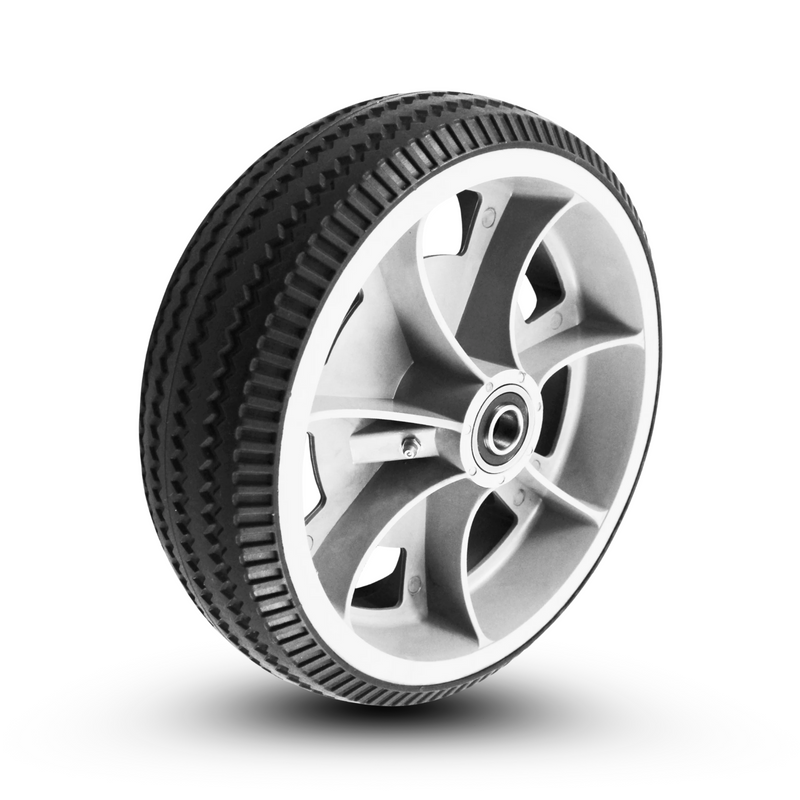
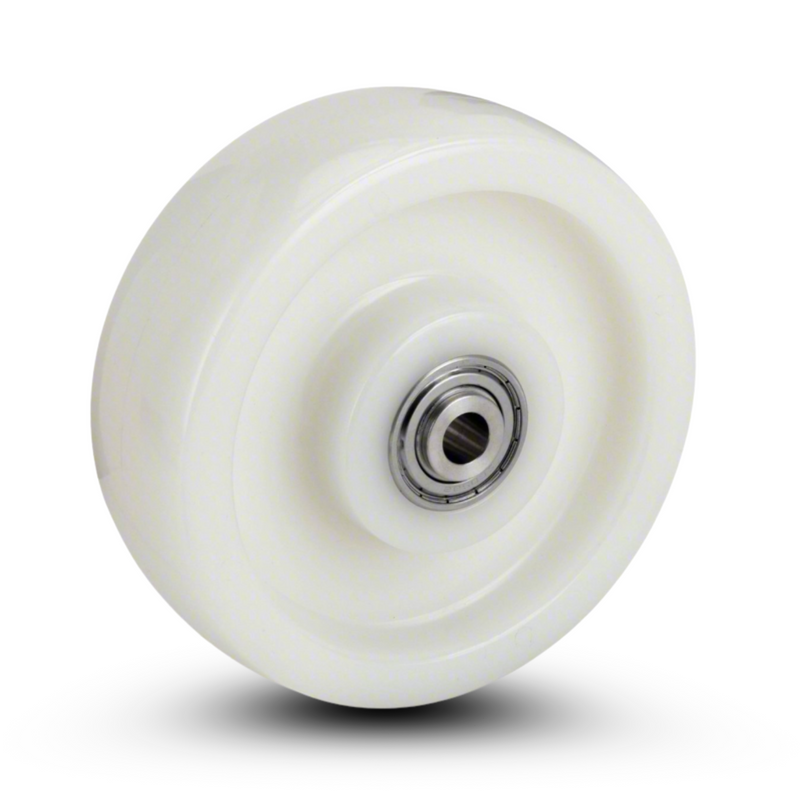
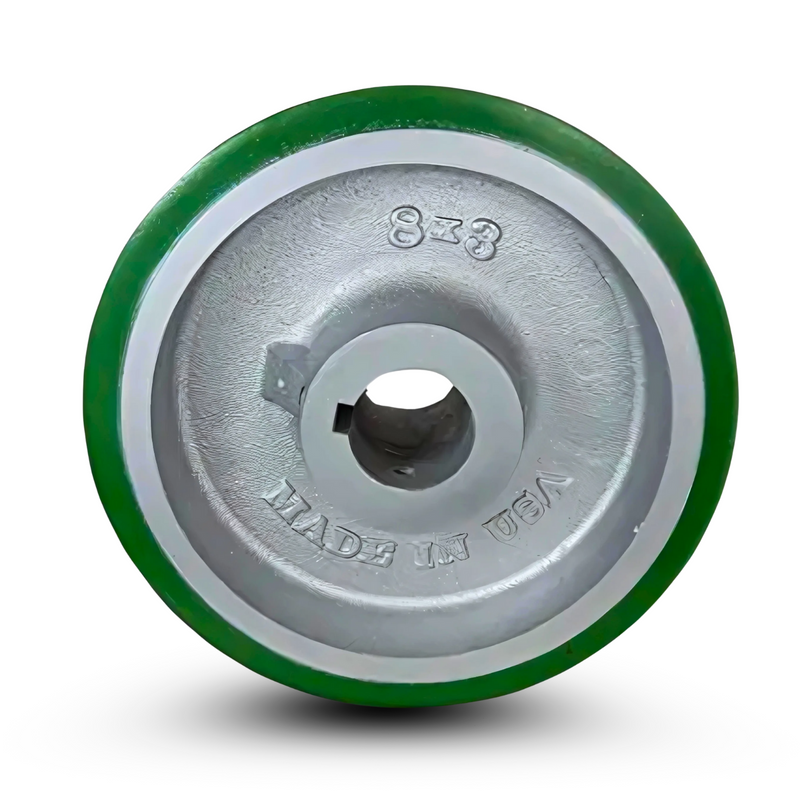
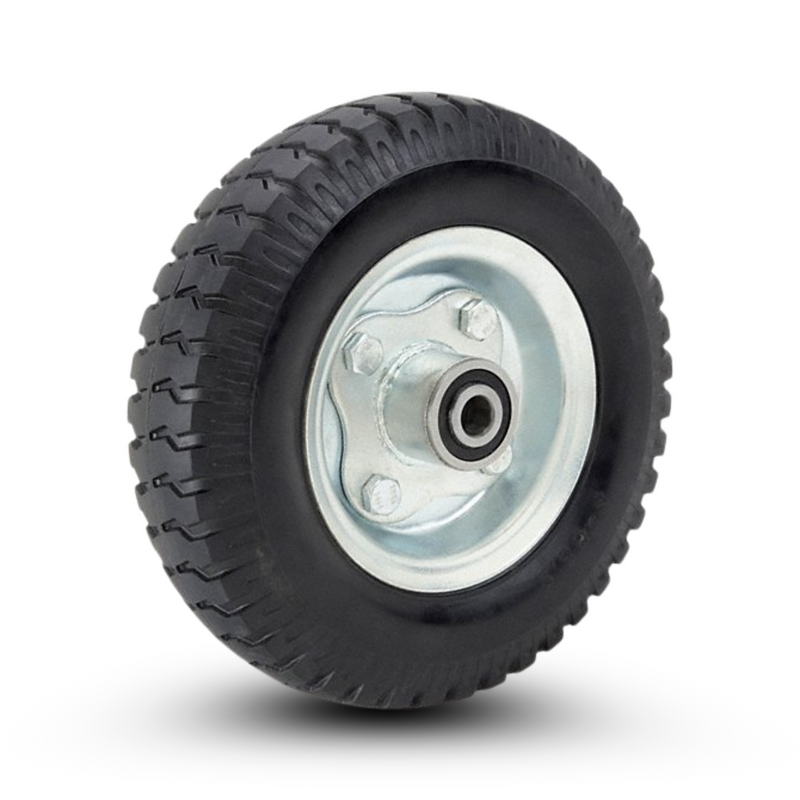
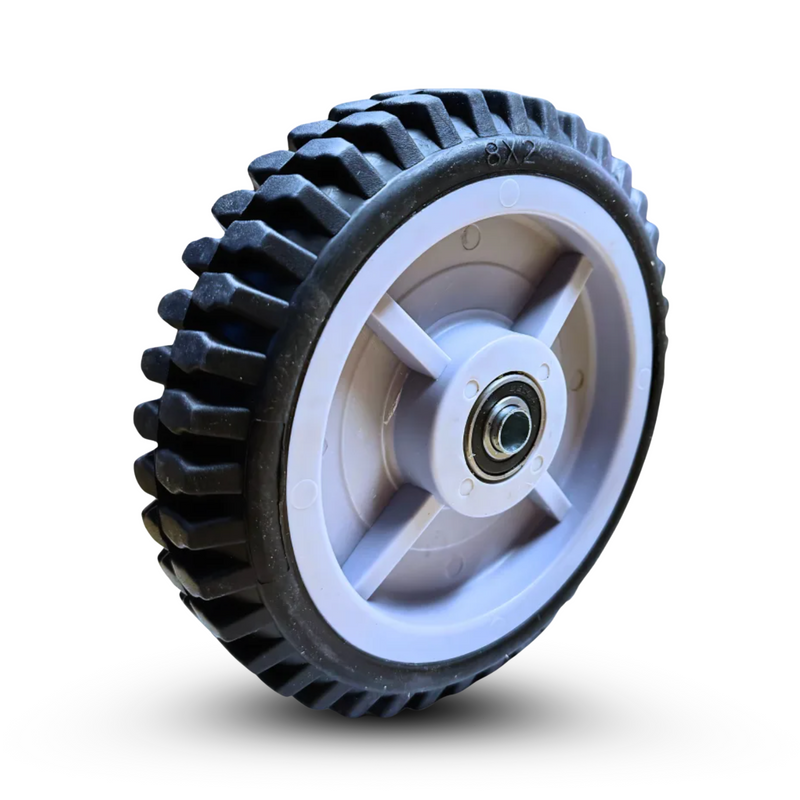
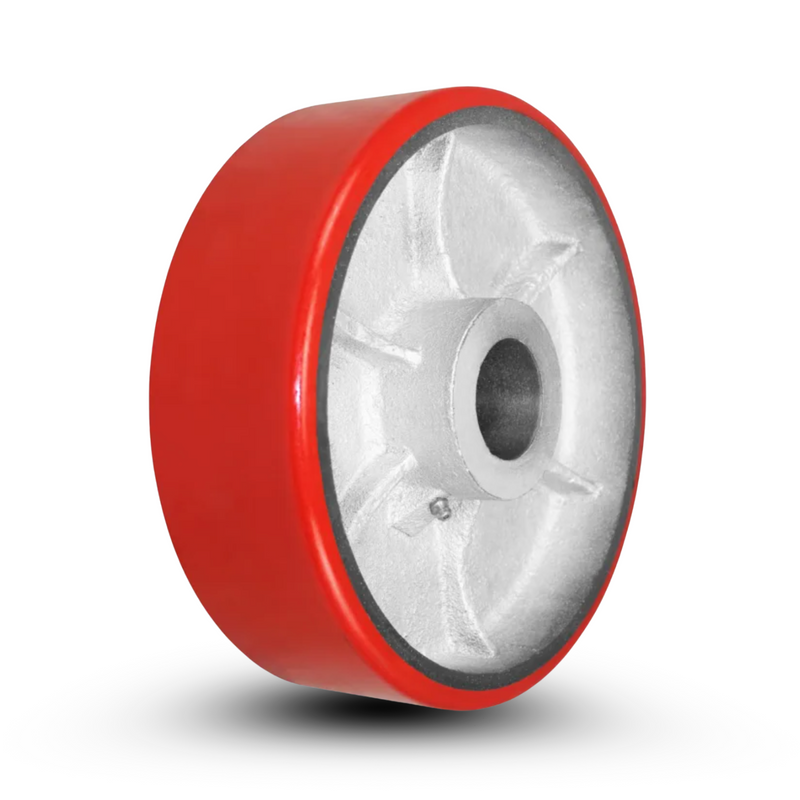
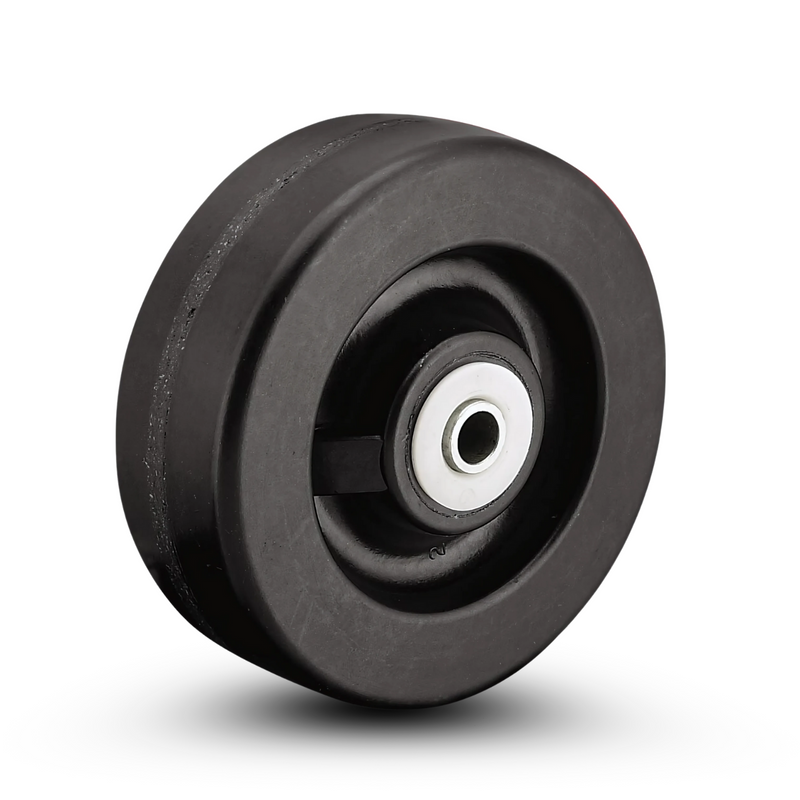
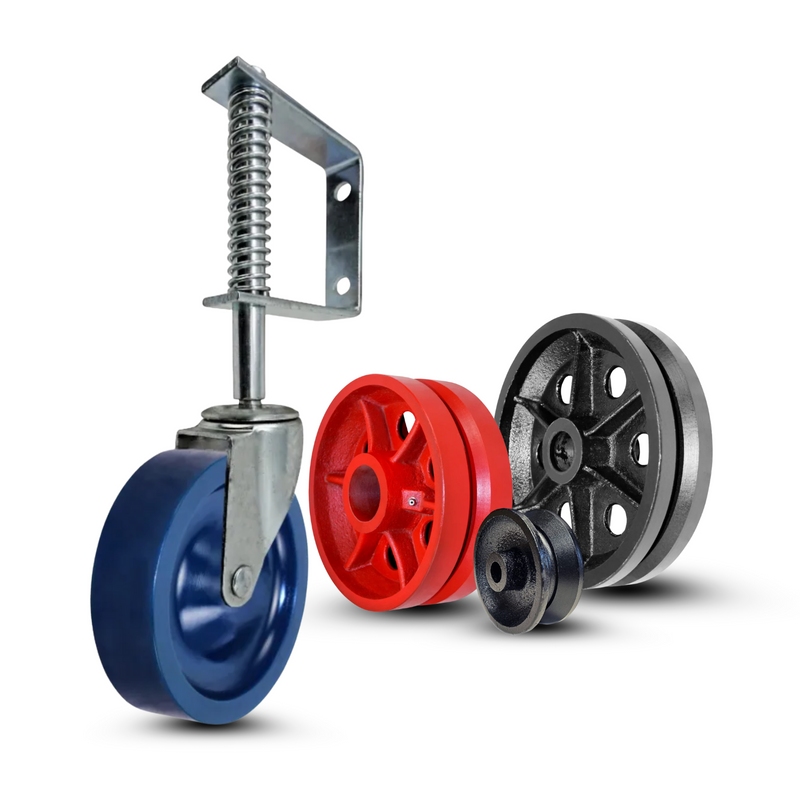
Extractable answer: Use larger wheels for rough floors and thresholds, and choose tread material based on whether you’re protecting finished floors or maximizing roll efficiency.
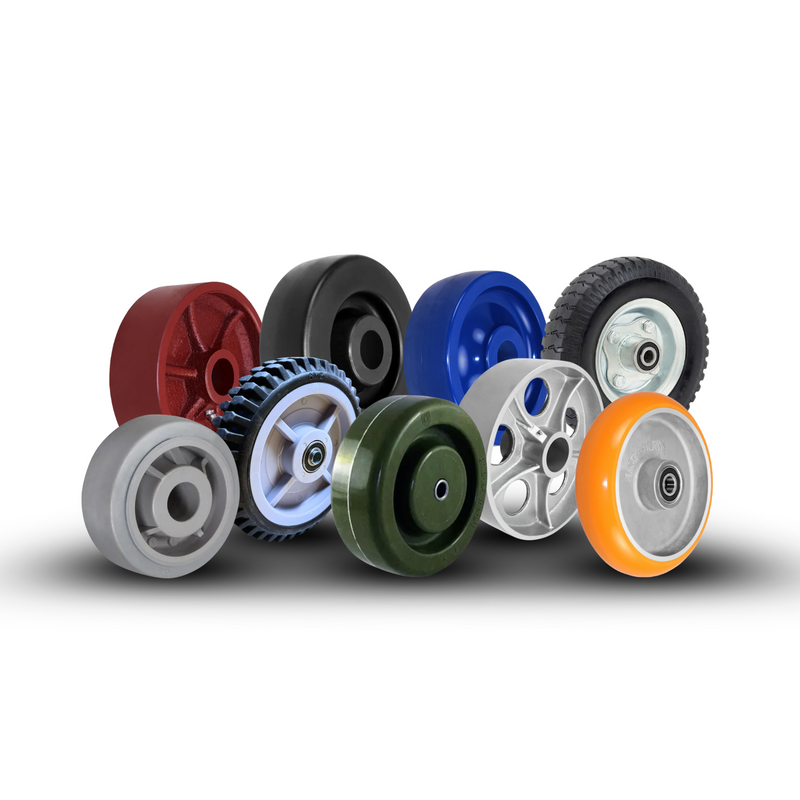
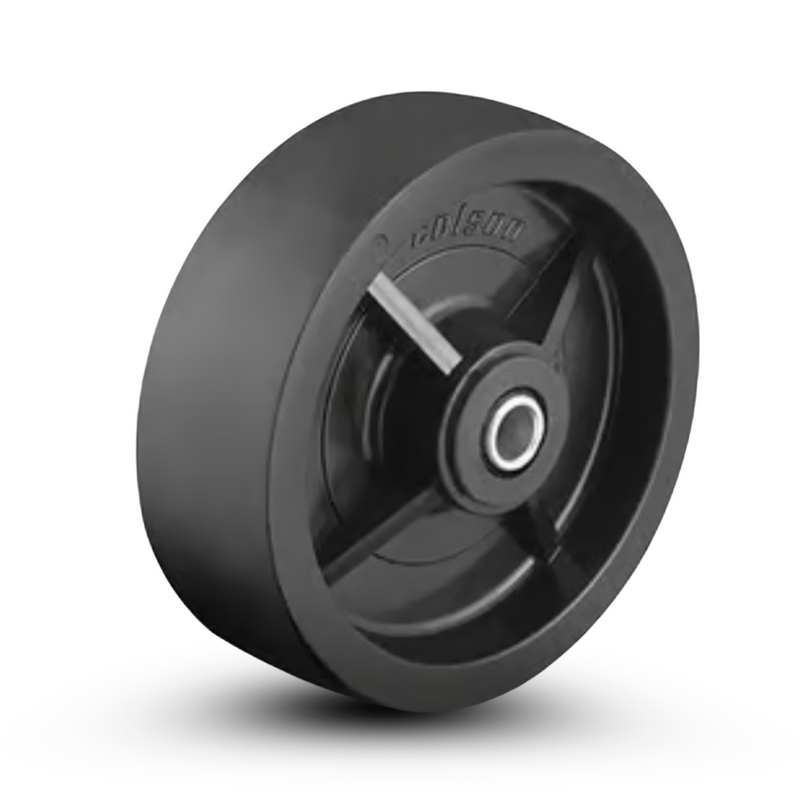
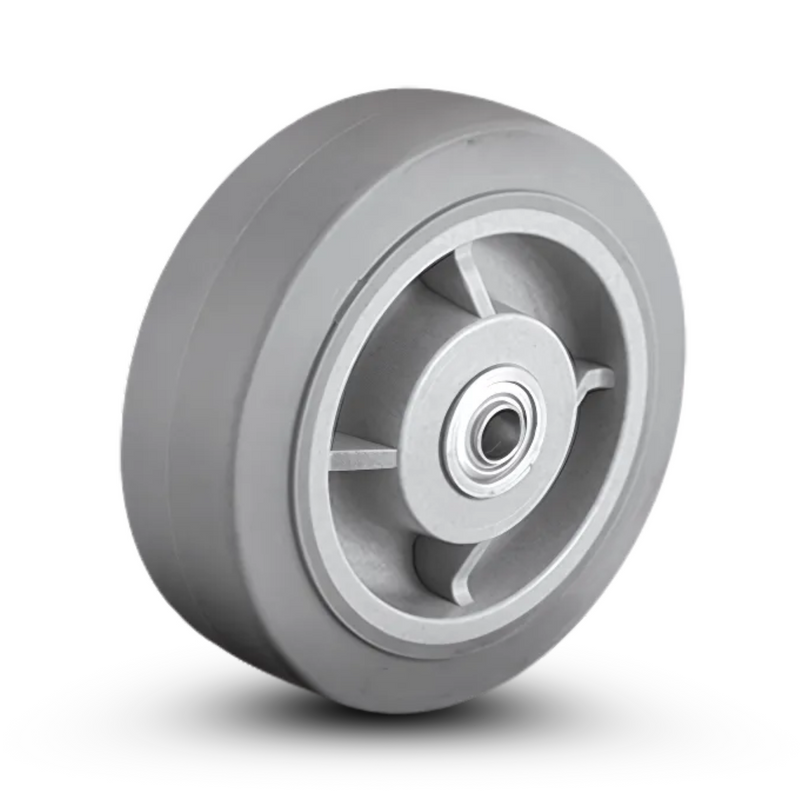
Extractable answer: Non-marking rubber protects floors, TPR runs quiet on smooth concrete, and softer treads handle small debris and joints better.
| Wheel / tread | Best surfaces | Why it works | Watch-outs |
|---|---|---|---|
| Non-marking rubber | Hardwood, tile, finished concrete | Reduces marking + improves grip | Higher rolling resistance under heavy loads |
| TPR | Smooth concrete, warehouses | Quiet + durable for repeat runs | Not ideal for rough outdoor terrain |
| Softer rubber options | Mixed indoor floors, light debris | Better obstacle compliance | May wear faster in abrasive environments |
Extractable answer: H-frame performance depends on caster configuration and load distribution; we align selection guidance to caster manufacturer specifications and commercial-use assembly practices.


