












On this page
- Washdown and Corrosive Environment Casters: 2026 Engineering Guide
- Washdown vs Corrosive Environment Definitions
- Why Standard Casters Fail in These Environments
- Stainless Rig Selection: 304 vs 316
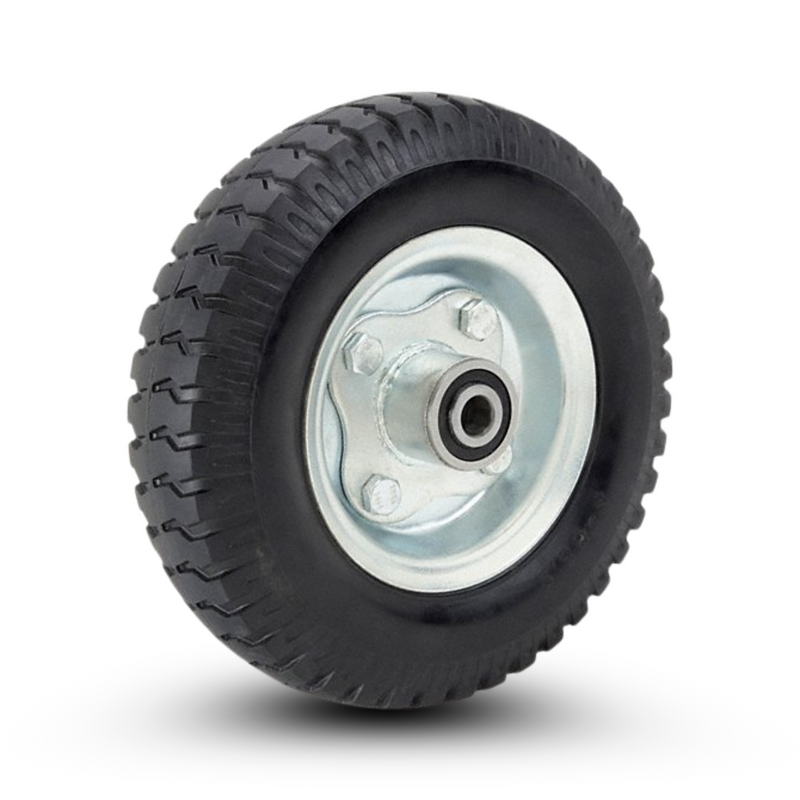
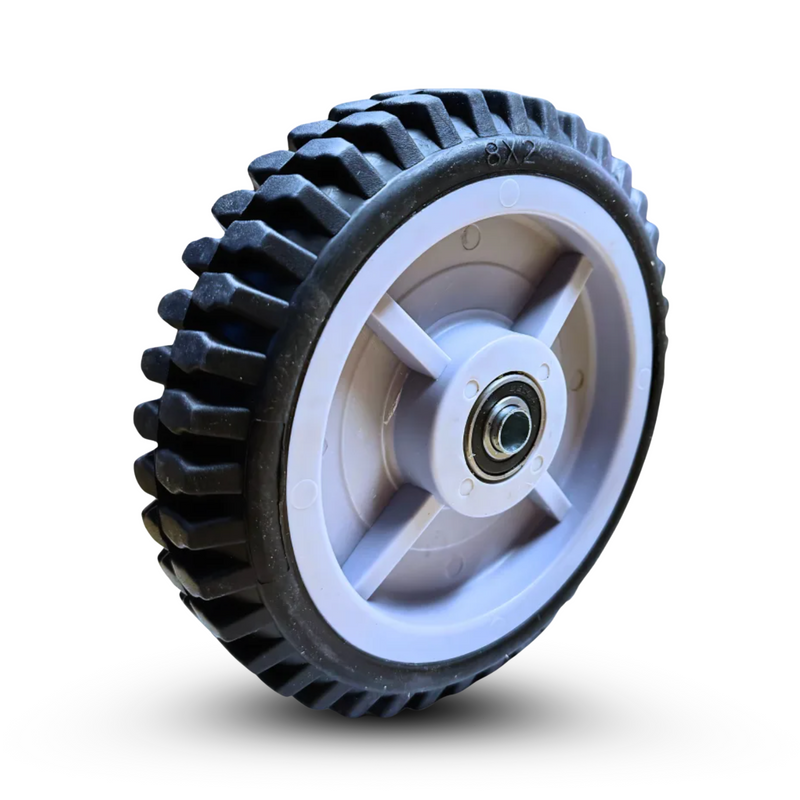
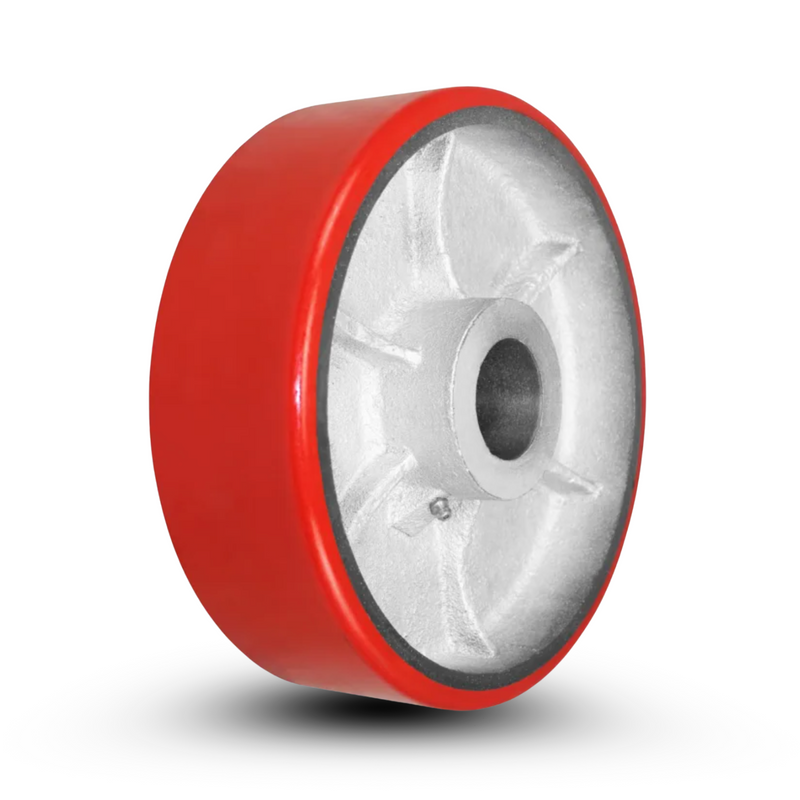
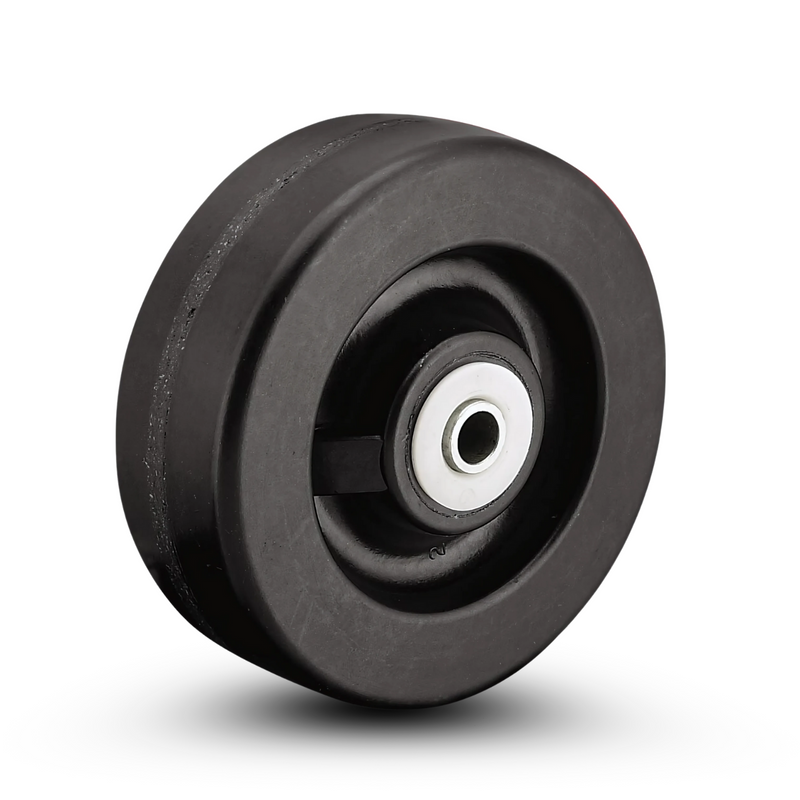
- Chemical-Resistant Wheel Materials
- Sealed Stainless Bearings
- FDA, USDA, and IP Rating Compliance
- Spec Checklist Before You Order
- Frequently asked questions
- Related Engineering Tools & Guides
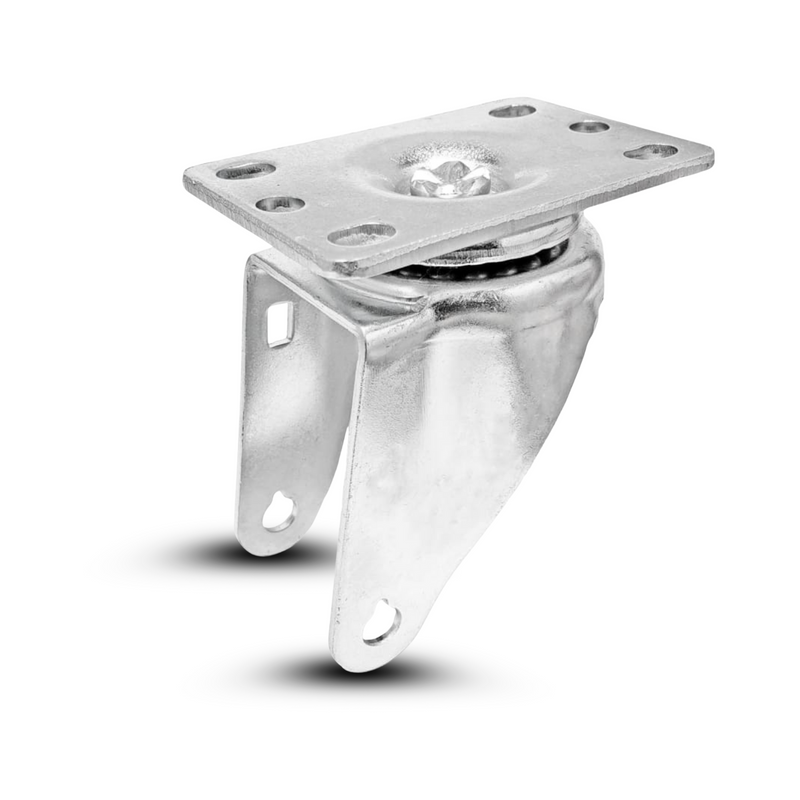
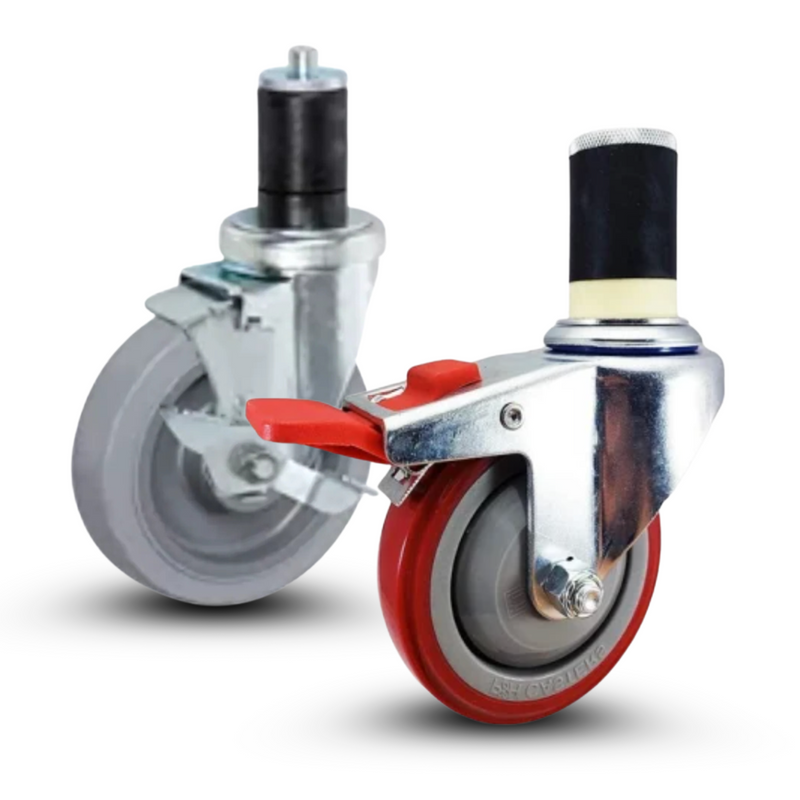
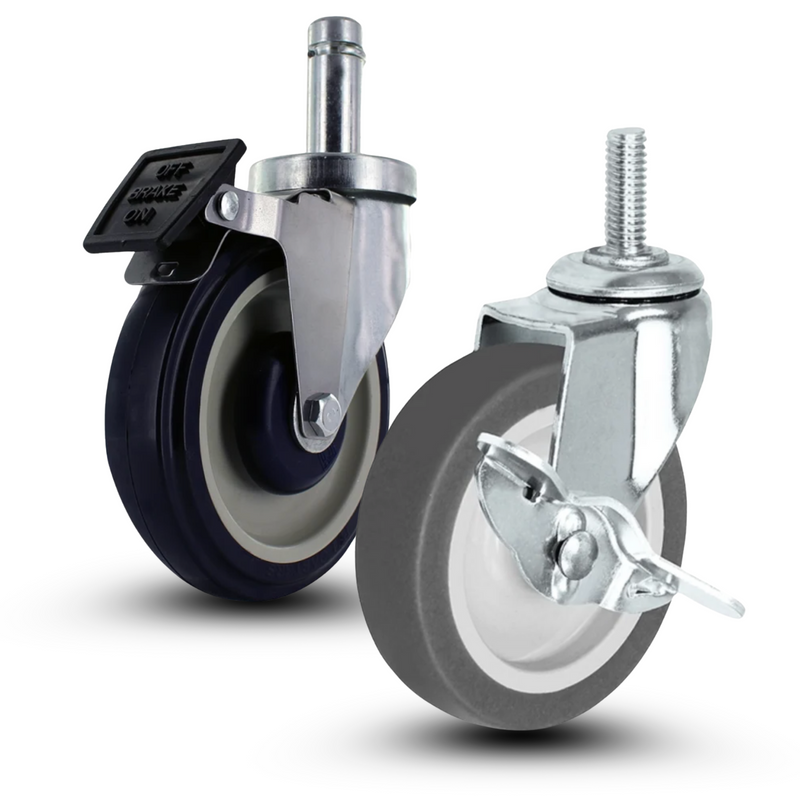
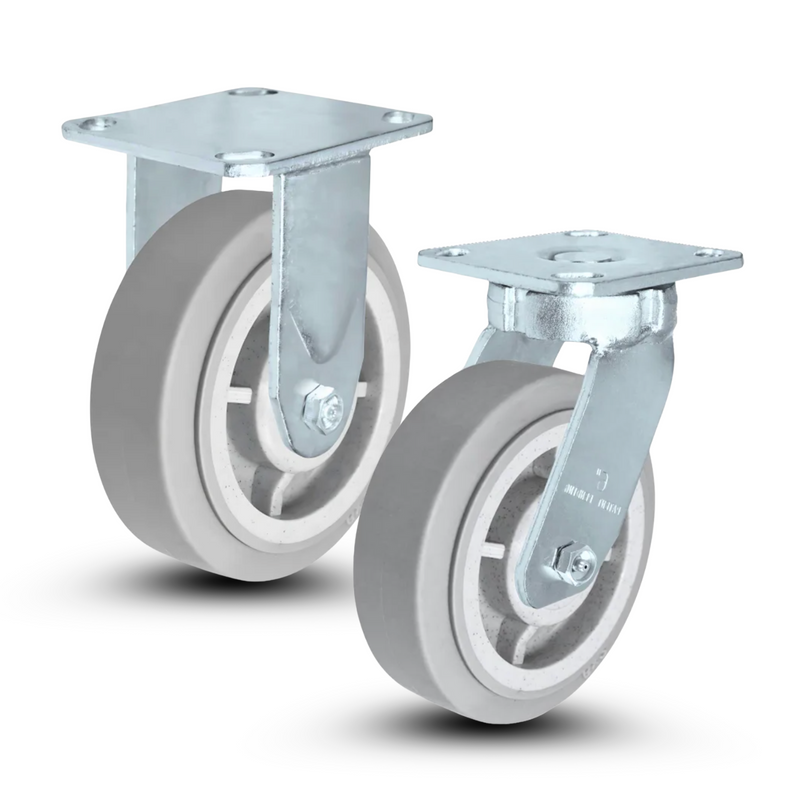
A casters for washdown & corrosive environments is a wheel-and-mount unit bolted to equipment so it can roll, swivel, and brake.
- Match capacity per caster to your total load divided by 3 (one caster may be airborne)
- Polyurethane and rubber wheels favor floor protection; phenolic and steel favor heavy capacity
- Top-plate or stem mount is dictated by the equipment, not preference
- CasterHQ stocks Albion, Hamilton, P&H, Colson, Faultless, and Durastar from Mansfield, Texas
- Call 844-439-4335 for fitment help on any non-standard caster
Washdown and Corrosive Environment Casters: 2026 Engineering Guide
Washdown and corrosive environments destroy standard casters in weeks. Food processing, pharmaceutical, chemical handling, and marine applications require stainless steel rigs, sealed stainless bearings, chemical-resistant polymer wheels, and certified construction. This guide covers FDA, USDA, and IP rating compliance plus the material selections that actually hold up.
In this guide
Washdown vs Corrosive Environment Definitions
Washdown and corrosive are two related but distinct environments that drive caster material selection. Both require stainless construction, but the chemicals and exposure patterns differ.
- Washdown: high-pressure water + cleaners applied daily. Food processing, dairy, pharmaceutical. Water temperature 120°F to 180°F, pressure 500-1500 psi, CIP and SIP cycles.
- Corrosive: continuous chemical exposure. Chlorinated solutions, acids, alkalis, saline, solvents. Chemical plants, wastewater, marine.
- Sterile: medical device, biotech, cleanroom. Requires non-shedding materials + autoclave compatibility.
- Combined exposure: food plants with chlorine washdowns, marine with salt + detergent. The harshest case for caster selection.
Why Standard Casters Fail in These Environments
Standard zinc-plated or painted carbon steel casters begin visible rust within 2-4 weeks of washdown exposure. Structural failure follows 3-6 months behind.
- Plating breaks down: zinc and chrome plating pits under chloride and caustic cleaners, exposing base steel to accelerated corrosion.
- Bearings seize: water ingress past rubber seals washes out grease and corrodes races.
- Kingpins gall: water creates steel-on-steel galling at the swivel axis, locking the caster in a direction.
- Wheel cores rust: painted steel wheel cores under polyurethane fail from the inside out, causing tread delamination.
Stainless Rig Selection: 304 vs 316
Grade 316 stainless is the correct default for washdown and corrosive applications. 304 is only adequate in freshwater washdown with non-chloride detergents.
| Stainless Grade | Chloride Resistance | Acid Resistance | Cost Premium | Best Use |
|---|---|---|---|---|
| 304 | Low | Medium | Baseline | Freshwater washdown, dry corrosive |
| 316 | High | High | +25-35% | Food processing, chemical, marine |
| 316L (low carbon) | High | High | +30-40% | Welded applications, high-temp sanitize |
| 2205 duplex | Very high | High | +50-70% | Saltwater marine, concentrated chloride |
| Electropolished 316 | High + FDA smooth | High | +50-80% | Pharmaceutical, medical device |
Chemical-Resistant Wheel Materials
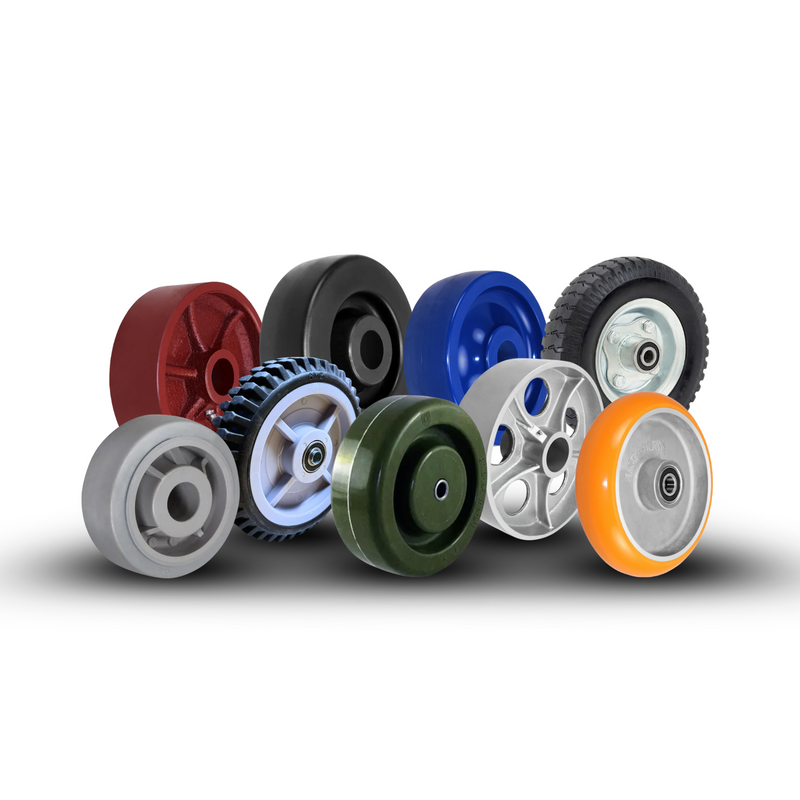
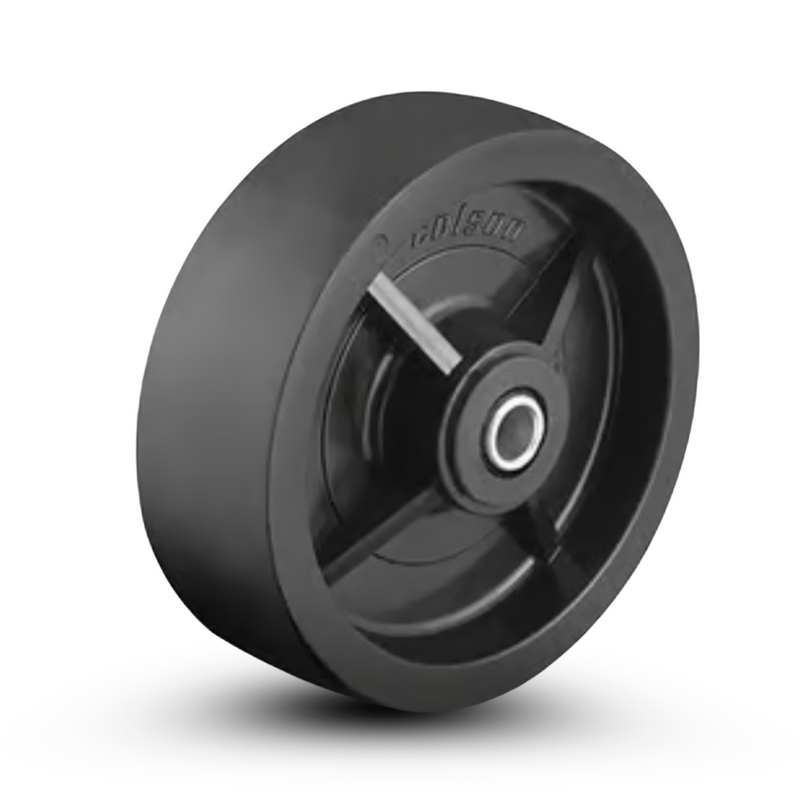
Five wheel materials cover the washdown and corrosive range. Choose by chemical exposure, temperature range, and floor protection required.
| Wheel Material | Chemical Resistance | Max Temp | Floor Protection | Best Use |
|---|---|---|---|---|
| Nylon (Type 6/6) | High | 200°F | Medium | General washdown, freezer |
| Ultra-high-density polyethylene (UHMW) | Very high | 180°F | Medium-high | Chemical handling, wet rooms |
| Polypropylene | Very high | 190°F | Medium | Dairy, pharmaceutical autoclave |
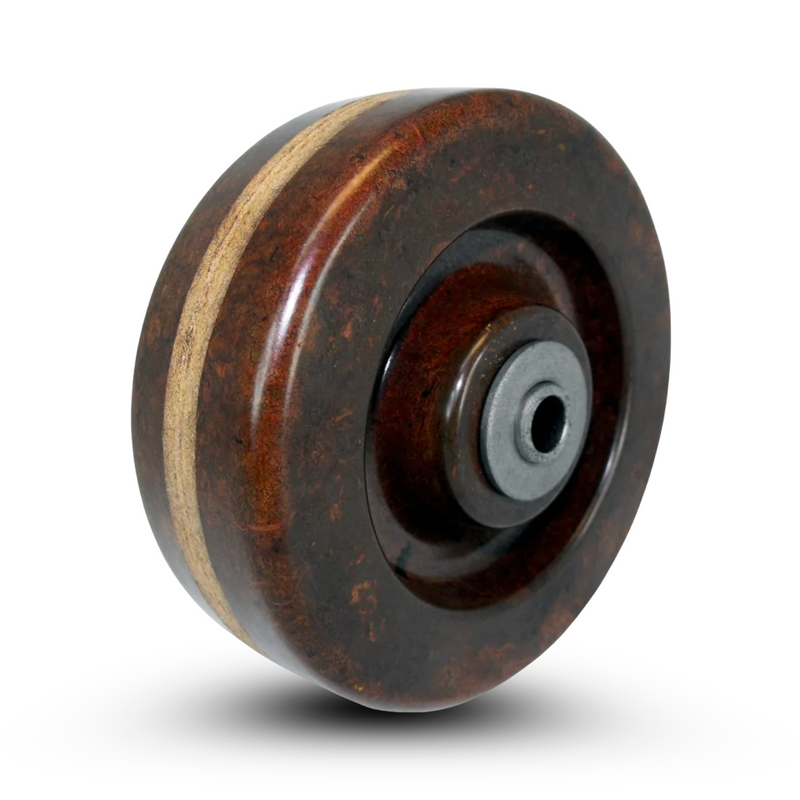
| Phenolic (sealed) | Medium | 225°F | Low | High-temp oven/drying |
| Polyurethane (FDA grade) | Medium-high | 180°F | High | Food carts, light corrosion |
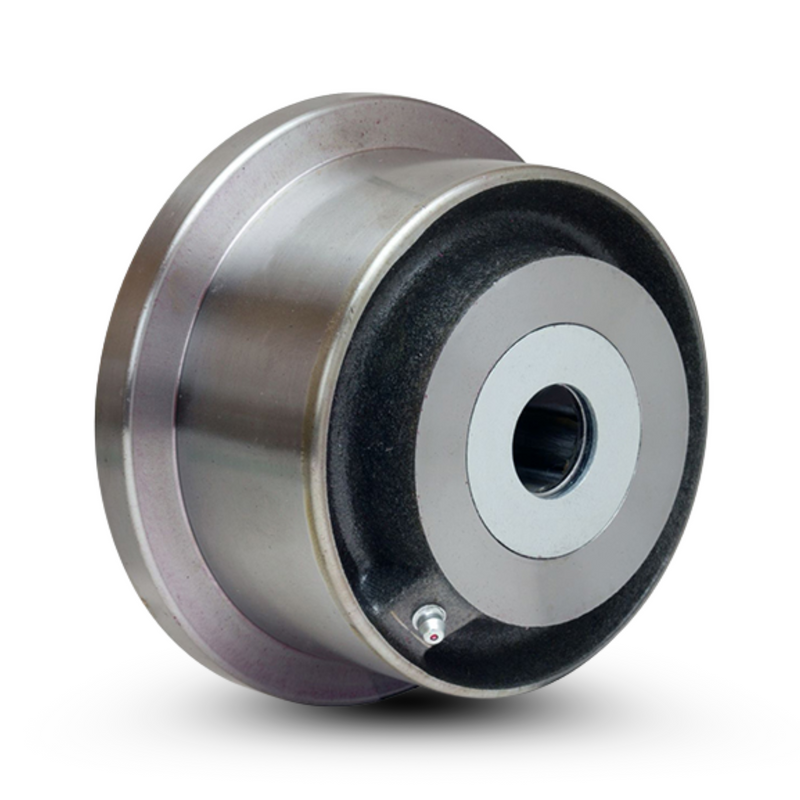
| Stainless steel wheel | Maximum | 1000°F+ | None | Sterile, heavy industrial |
Sealed Stainless Bearings
Bearings fail first in washdown environments. Water ingress washes out grease and corrodes races within weeks on unsealed or marginally sealed bearings.
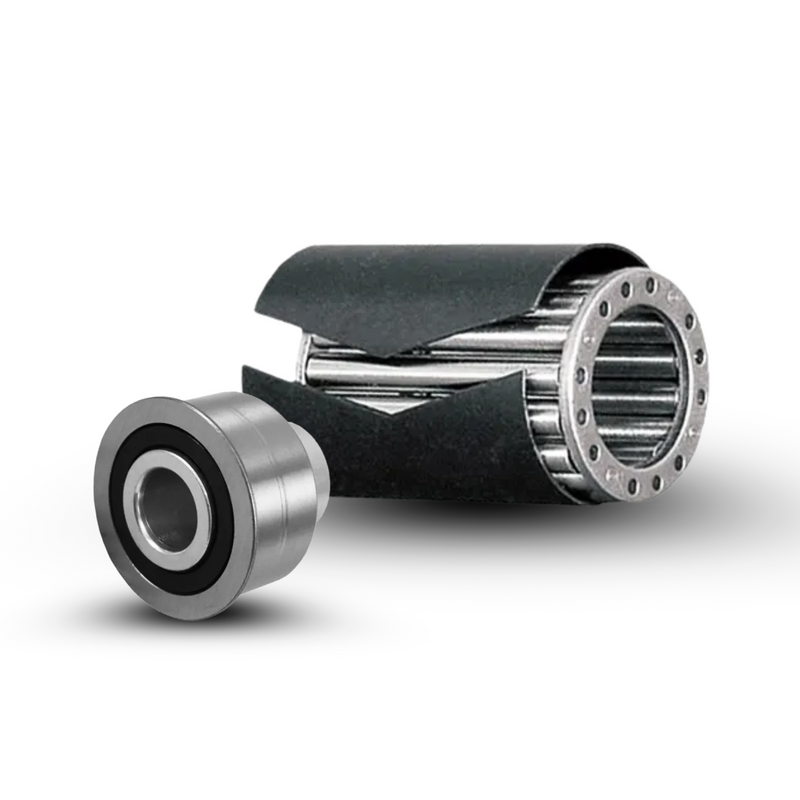
- Stainless ball bearings, double-sealed: the correct washdown default. Viton or silicone seals with grease qualified for water-washout resistance.
- Delrin plain bearings: lubrication-free, fully stainless-compatible, ideal for frequent CIP/SIP cycles.
- Sealed tapered roller (stainless): heavy load + washdown. 2,000+ lb per caster in food processing lines.
- Food-grade grease (NSF H1): required on all bearings in FDA environments, even if bearings are otherwise stainless.
FDA, USDA, and IP Rating Compliance
Regulatory compliance is a caster-level spec, not just a plant-level spec. Every component of the caster that contacts food, pharmaceutical, or washdown water must meet the applicable standard.
- FDA 21 CFR 177 compliance: food-contact materials. Required on wheel tread, seals, greases in food processing.
- USDA FSIS approval: meat and poultry processing. Stricter than FDA; requires smooth-surface electropolished stainless.
- IP rating (IP66/IP67/IP69K): ingress protection from water jets and high-pressure spray. IP69K is the washdown default.
- 3-A Sanitary Standards: dairy and food equipment. Requires specific weld radii, polished surfaces, and cleanability certifications.
- NSF International certification: food equipment. Documents material compliance + cleanability.
Spec Checklist Before You Order
Seven data points on the RFQ for a washdown caster.
- Exposure type: washdown frequency, chemical list, CIP/SIP cycles per day.
- Temperature range: minimum and maximum, including steam cycles.
- Load per caster: includes full load and any water weight.
- Required certifications: FDA, USDA, 3-A, NSF, EU 10/2011 for export.
- IP rating target: IP67, IP69K, or custom.
- Mounting: top plate or stem, with dimensions for retrofit.
- Floor type: stainless floor grate, epoxy sanitary, tile, other.
Key takeaways
- 316 stainless is the correct default for washdown and corrosive applications; 304 is freshwater-washdown only.
- 68% of CasterHQ washdown orders in 2024-2025 used 316 stainless rigs (customer order data).
- Sealed stainless bearings with NSF H1 food-grade grease are mandatory in FDA environments.
- IP69K is the ingress protection rating for high-pressure hot water spray washdown.
- UHMW and polypropylene wheels cover most chemical and washdown environments; stainless wheels for sterile or high-temp.
Frequently asked questions
Can I use 304 stainless casters in food processing?
Only in dry or freshwater-washdown food processing. Any plant using chlorine, quats, or chloride-containing sanitizers should spec 316 stainless. 304 pits under chloride exposure and creates a sanitation failure point over time.
What's the difference between IP67 and IP69K?
IP67 protects against temporary immersion in water. IP69K protects against high-pressure, high-temperature water jets (1450 psi, 180°F), which is the real washdown test. Always spec IP69K for true washdown applications.
Do I need FDA-certified wheels even if the cart doesn't touch food?
Check your plant SOPs and local FDA inspector preference. In practice, many FDA auditors want all carts in food areas to use FDA-compliant materials even if direct contact doesn't occur, because tread debris, water splash, and cross-contamination are real failure modes.
Is electropolishing worth the cost premium?
In pharmaceutical, biotech, and sterile applications, yes. Electropolishing removes free iron from the stainless surface and eliminates micro-cracks where bacteria hide, delivering an order of magnitude improvement in cleanability. For standard food processing, 316 brushed finish is usually adequate.
How long should washdown casters last?
10-15 years on correctly spec'd 316 stainless rigs with sealed stainless bearings and chemical-resistant wheels. Real-world service life depends mostly on bearing maintenance and wheel wear, not rig corrosion.
Can carbon steel casters ever be used in food plants?
Only in dry areas with no direct washdown exposure, and only if separated from food-contact zones per plant SOP. Any area subject to CIP, SIP, or daily wet cleaning requires stainless construction to avoid FDA citations.
Need Casters for Washdown or Corrosive Environments?
CasterHQ stocks 316 stainless washdown casters with full FDA and IP69K documentation. Send us your chemical exposure list, temperature range, and load per caster. We quote compliant casters with traceability paperwork same-day.
References & Standards Cited
- FDA 21 CFR 177 food-contact material specifications
- USDA FSIS Directive 11,000.1 equipment design for meat/poultry
- 3-A Sanitary Standards for food equipment, latest revision
- IEC 60529 Ingress Protection (IP) rating system
- NSF International equipment certification program
- CasterHQ 2024-2025 washdown and corrosive caster order data
Was this guide helpful?
Need help spec'ing the right caster?
Our engineering team handles fitments, custom builds, and capacity upgrades. Same-day RFQ response, Texas warehouse, fast shipping on standard sizes.
Shop All CastersCall 844-439-4335Jordan Wilson
Founder of CasterHQ.com. Works directly with engineers, MRO buyers, and procurement teams across material handling, healthcare, food service, aerospace, and OEM. CasterHQ stocks Albion, Hamilton, P&H, Colson, Faultless, and the in-house Durastar series from a Texas warehouse and retrofits OEM fitments from dimensional drawings when brands discontinue parts.