


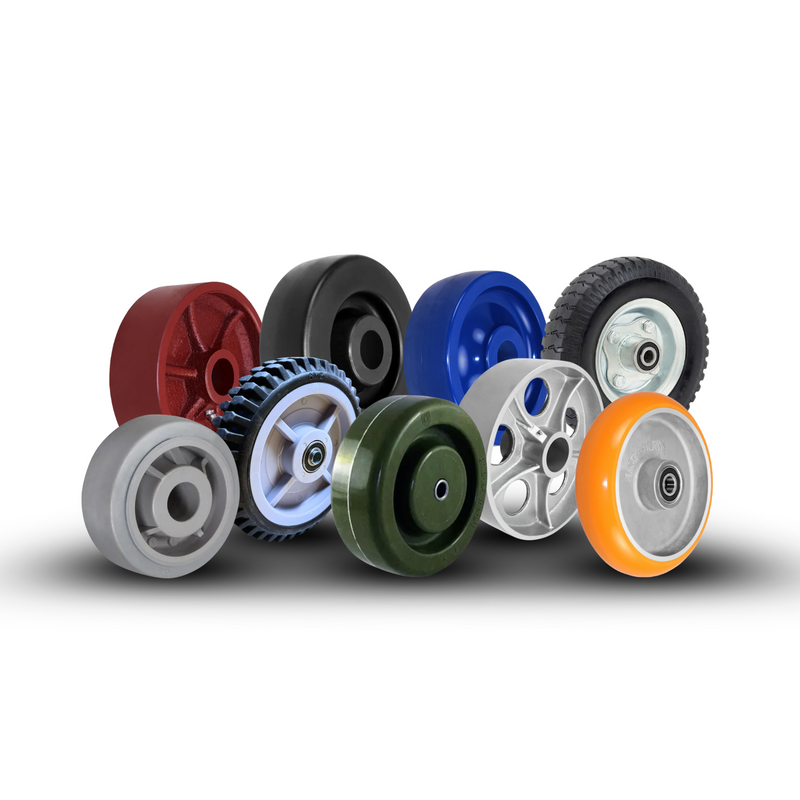
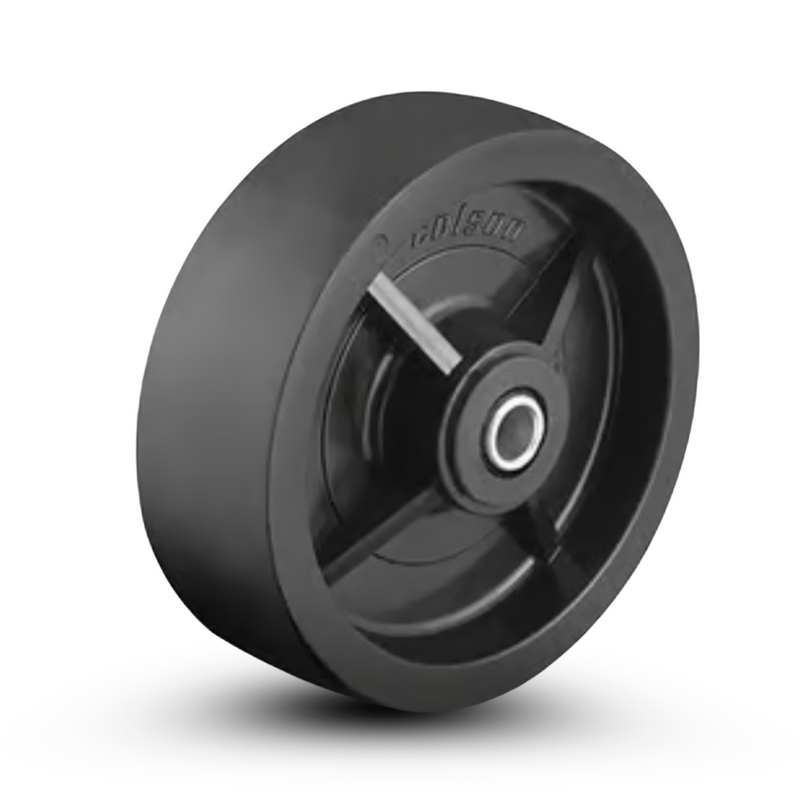
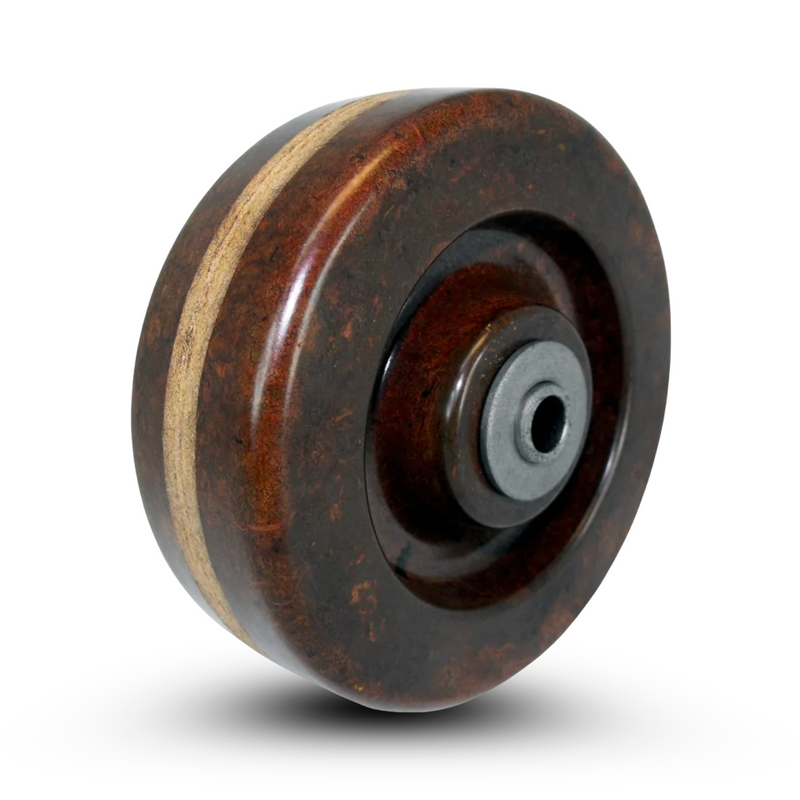
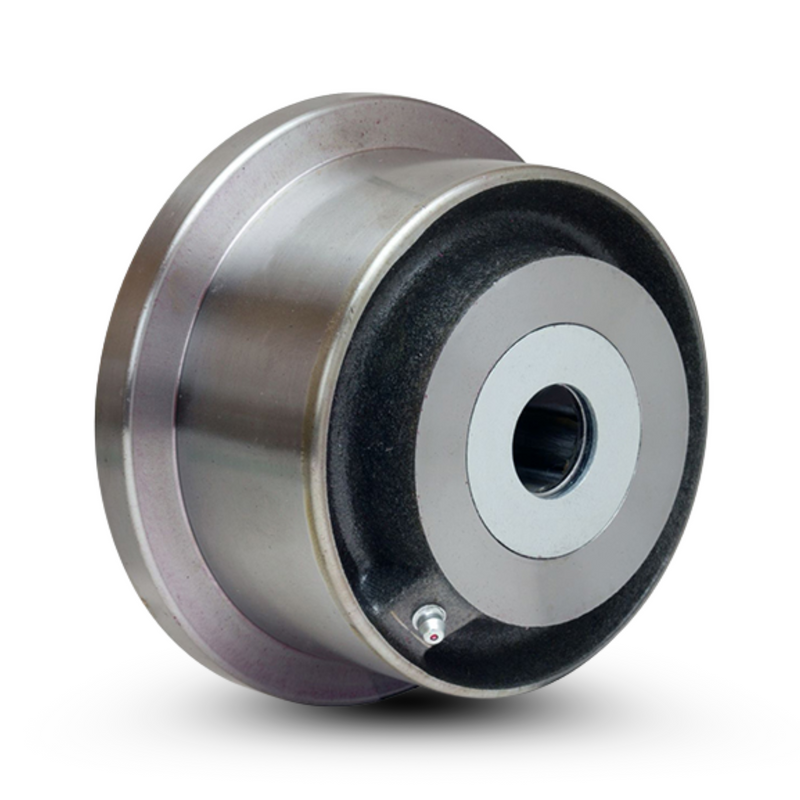
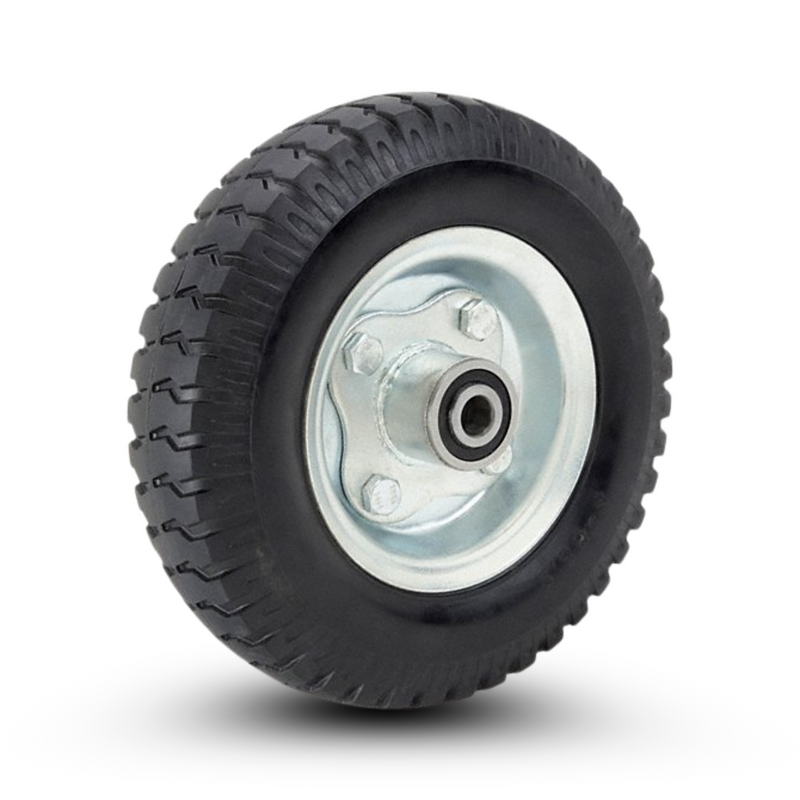
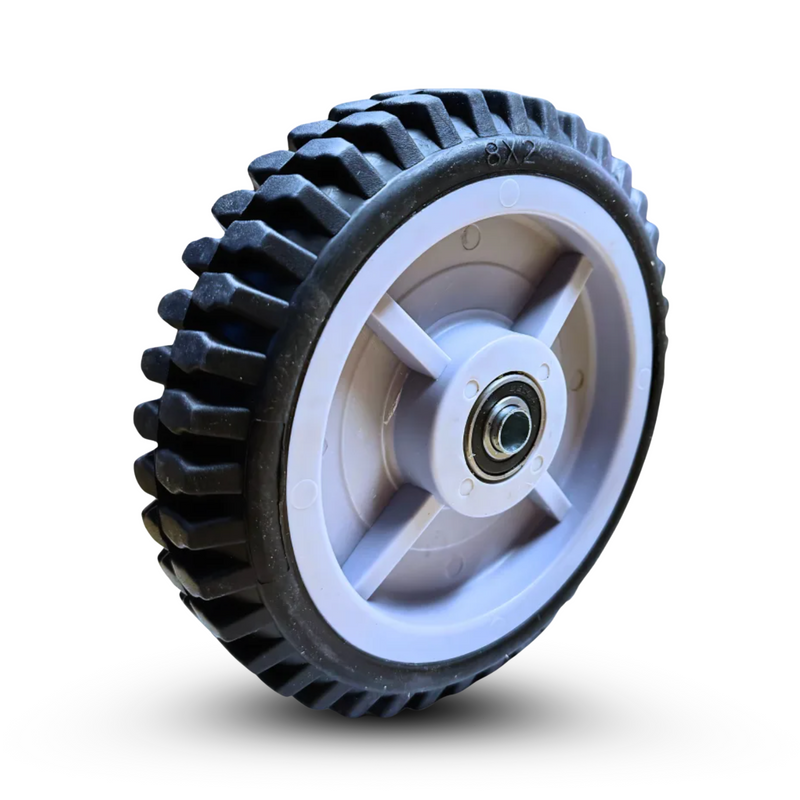
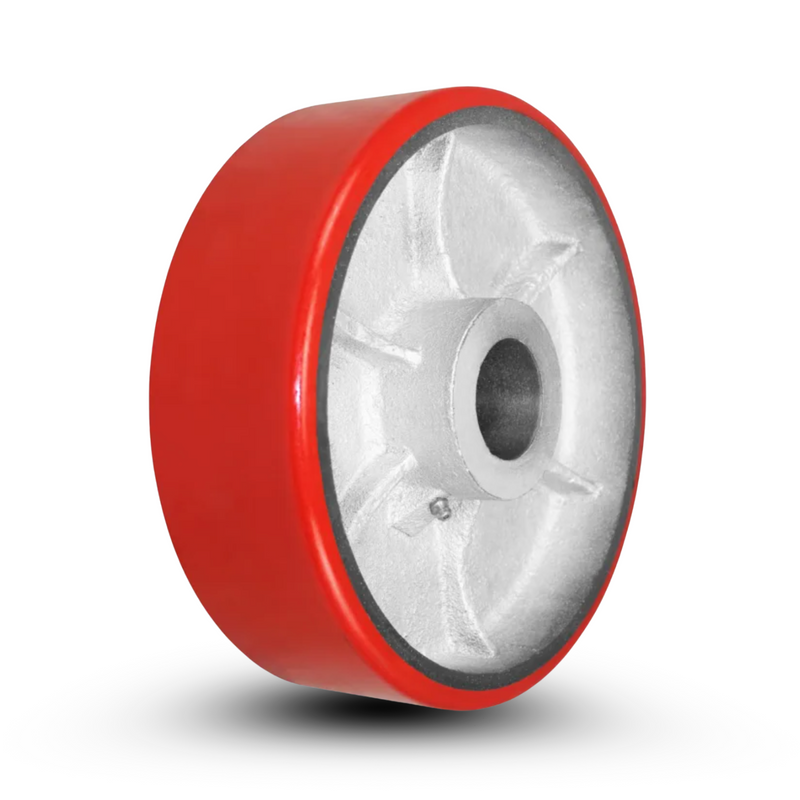
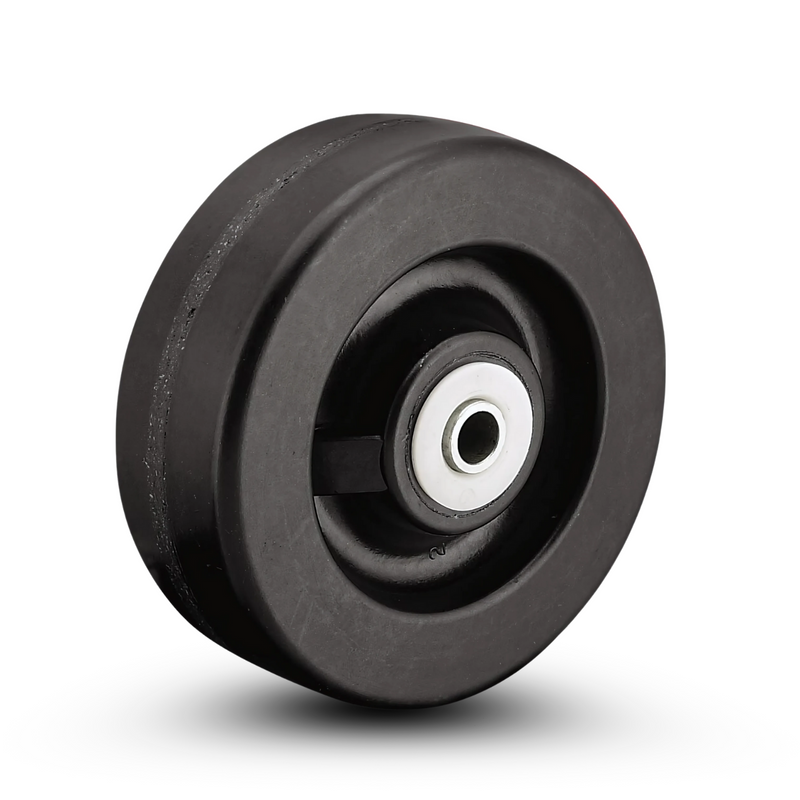

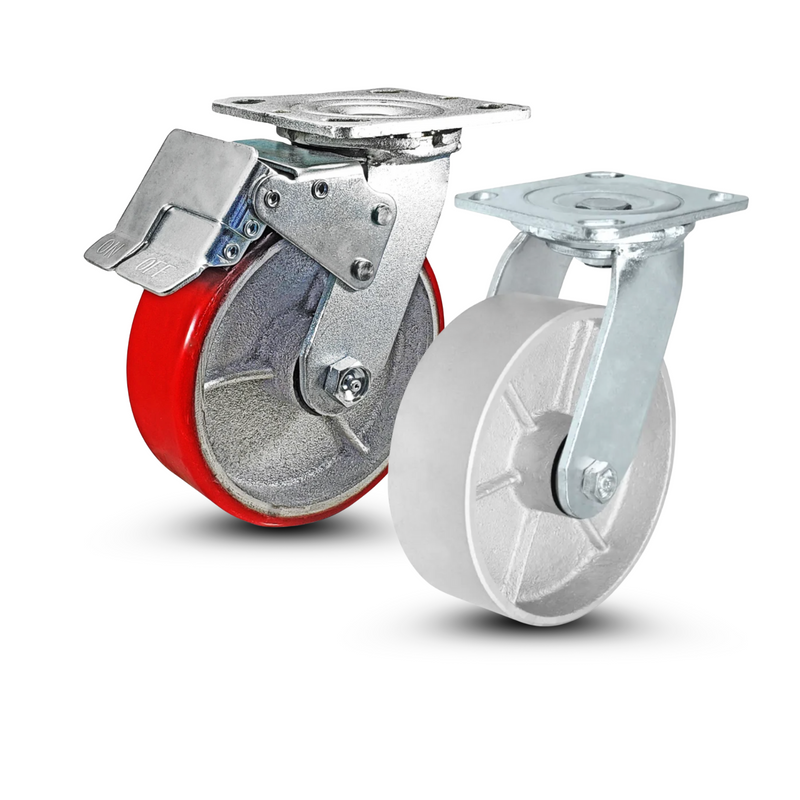
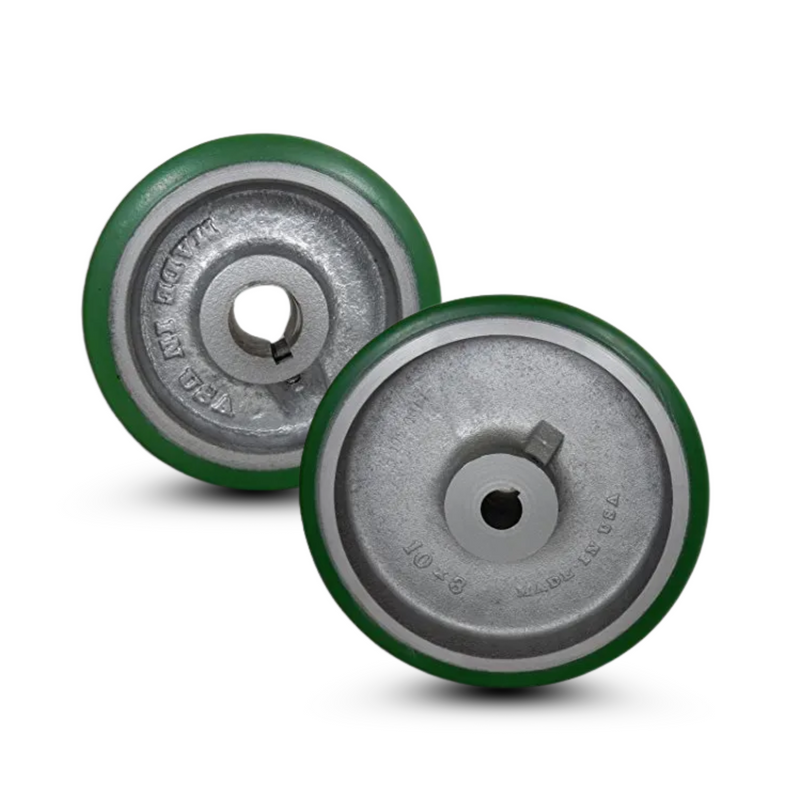
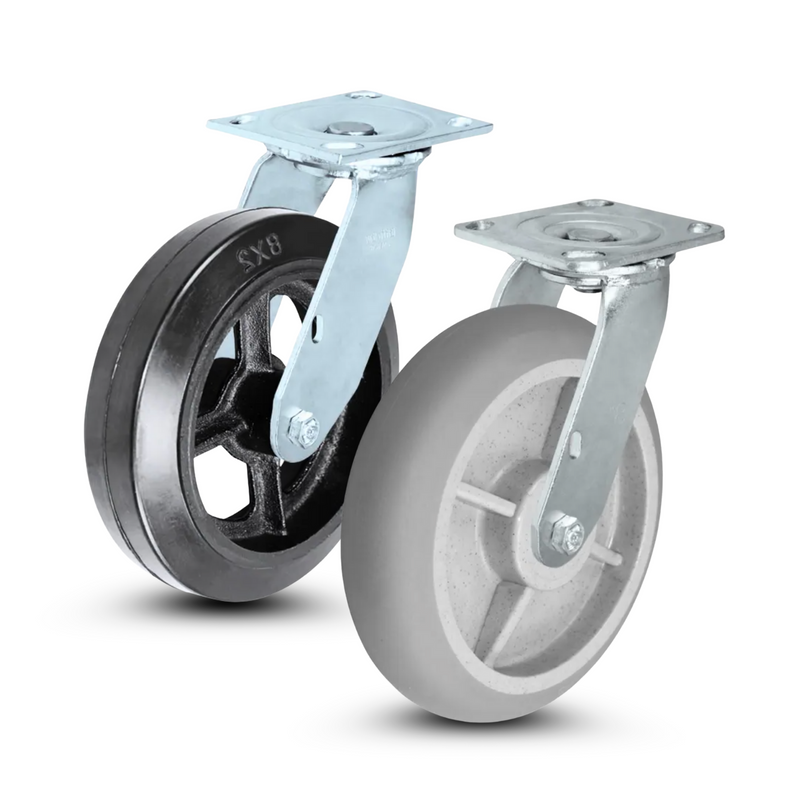
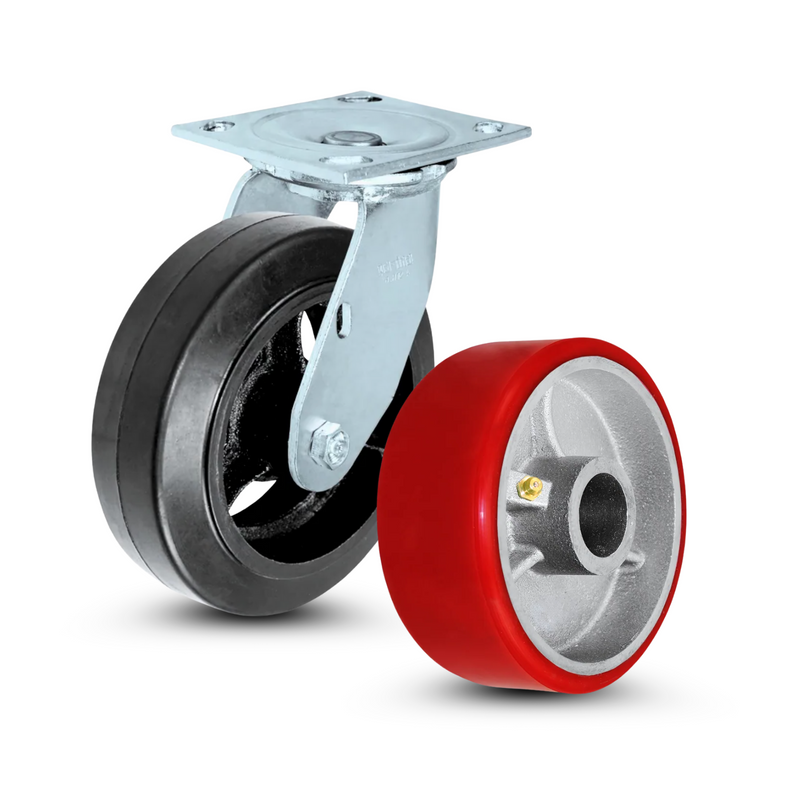
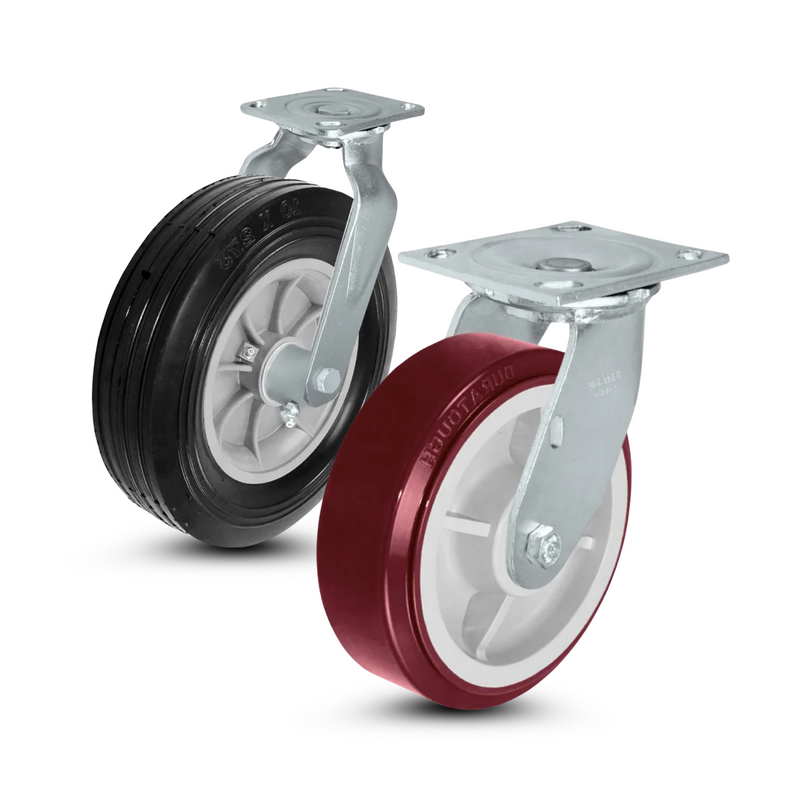
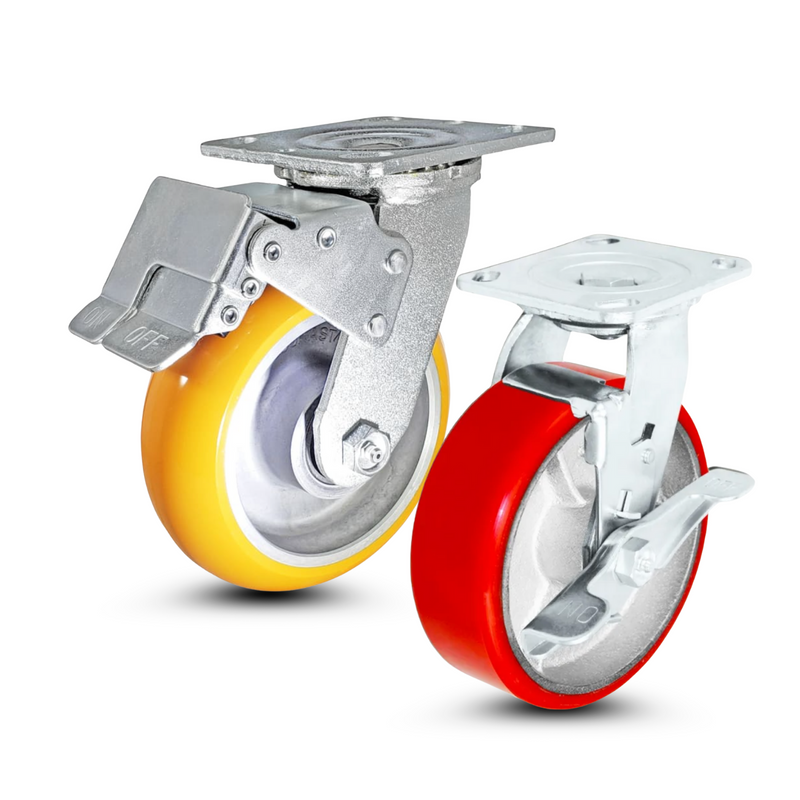
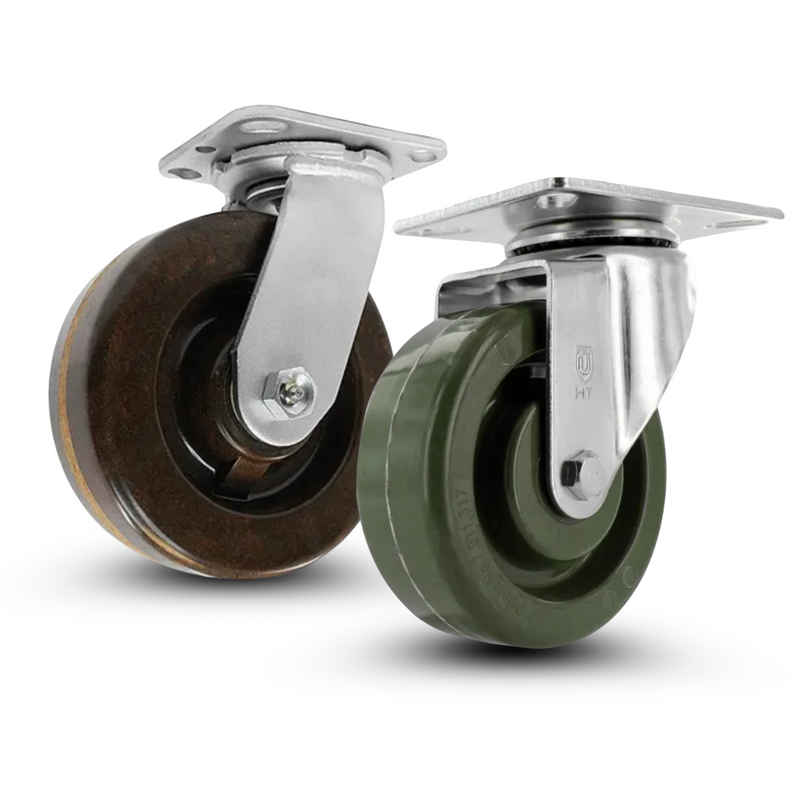
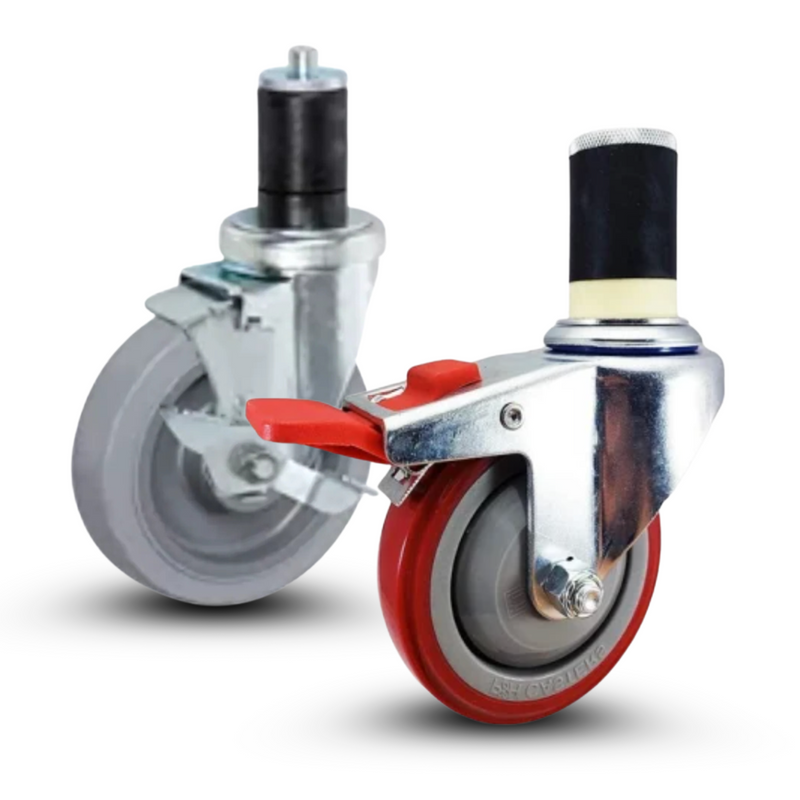
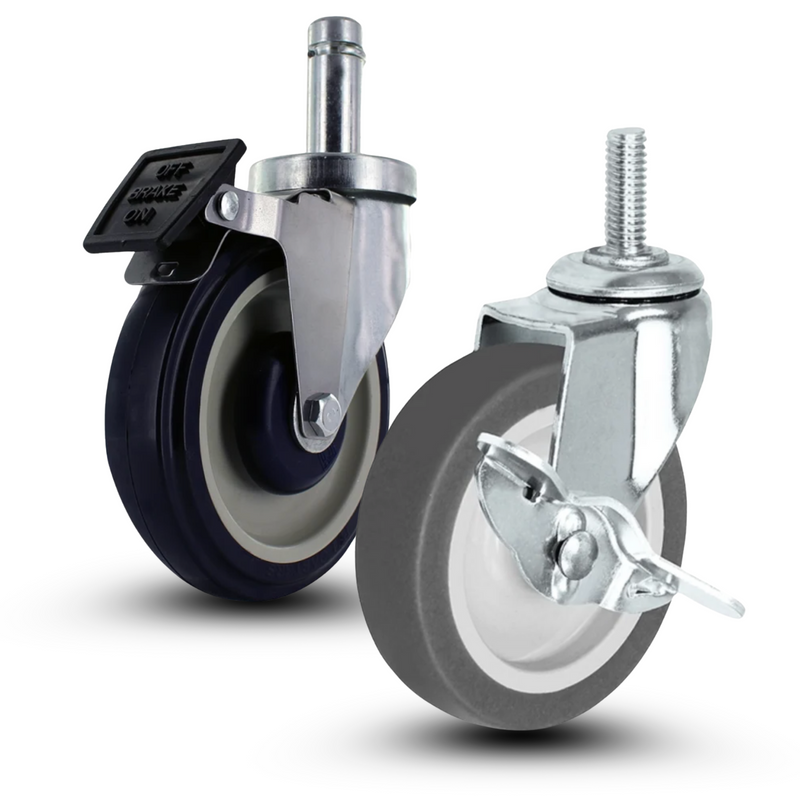
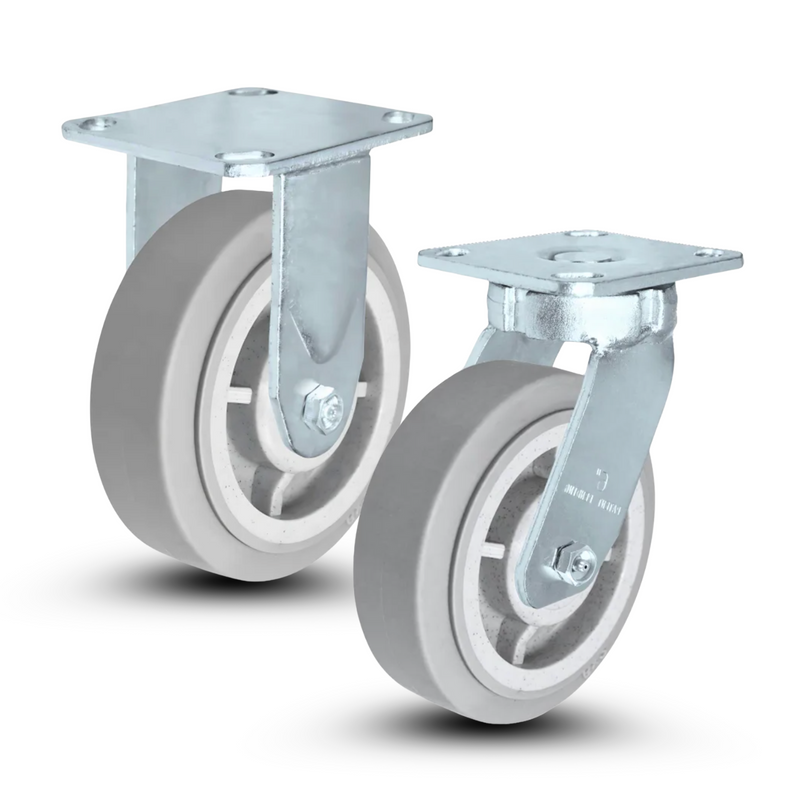














Concrete Floors require casters matched to the floor, load, and duty cycle of the application.
- Match capacity per caster to your total load divided by 3 (one caster may be airborne)
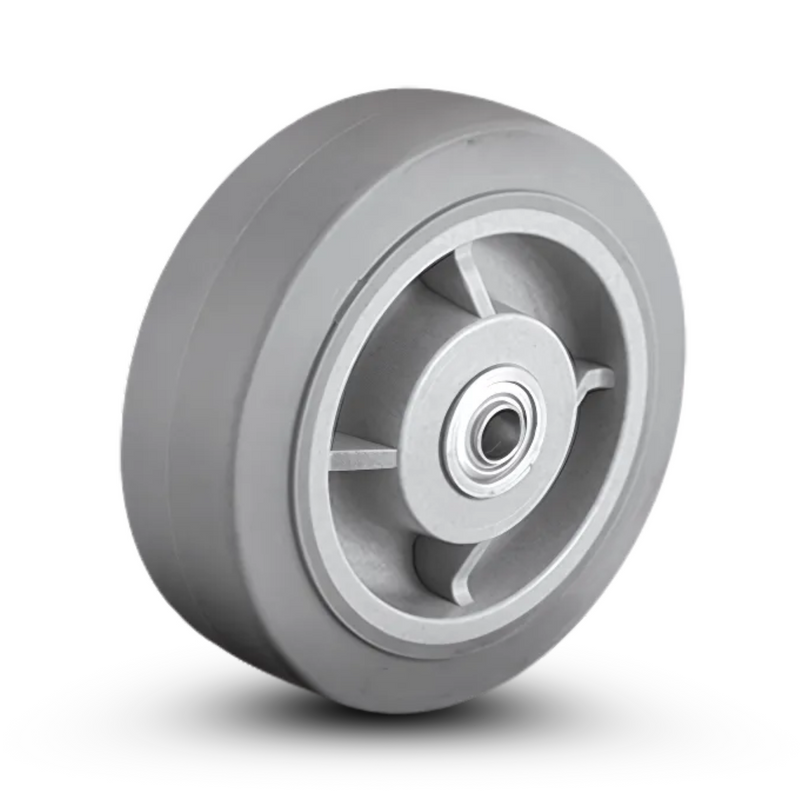
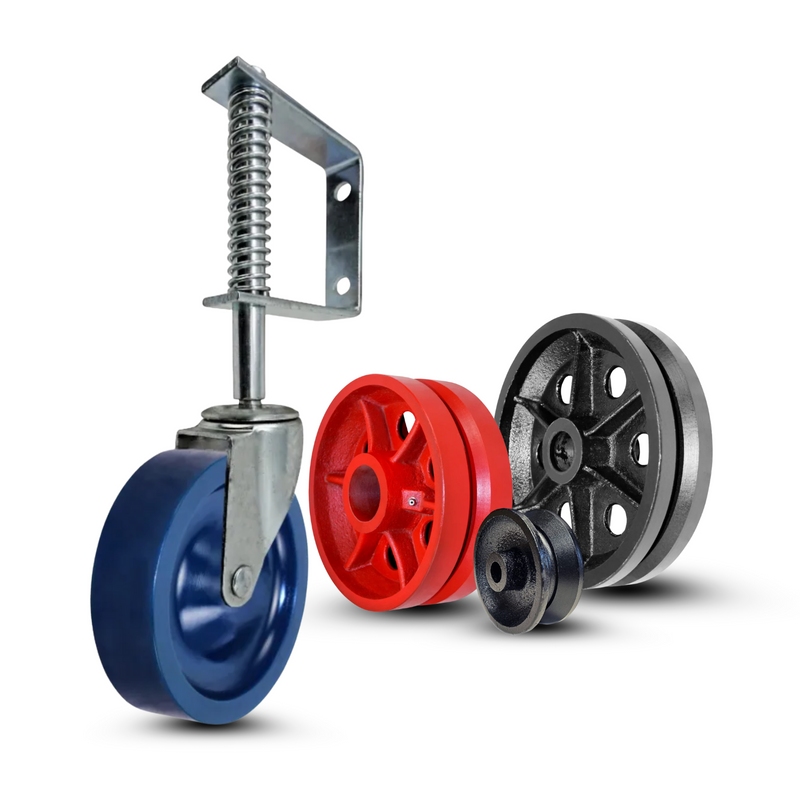
- Polyurethane and rubber wheels favor floor protection; phenolic and steel favor heavy capacity
- Top-plate or stem mount is dictated by the equipment, not preference
- CasterHQ stocks Albion, Hamilton, P&H, Colson, Faultless, and Durastar from Mansfield, Texas
- Call 844-439-4335 for fitment help on any non-standard caster
On this page
- Best Casters for Concrete Floors: Warehouse, Garage, and Polished-Concrete Spec Guide
- Why Concrete Is Different
- Wheel Material by Concrete Type
- Sealed, Polished, and Epoxy Concrete
- Raw Warehouse Slab
- Garage and Shop Floors
- Diameter and Load Sizing
- Top Picks by Application
- Frequently asked questions
- Related Engineering Tools & Guides
Best Casters for Concrete Floors: Warehouse, Garage, and Polished-Concrete Spec Guide
The best caster for concrete depends on the concrete. Raw warehouse slab, sealed epoxy, polished concrete, and garage floors each break a different wheel. Polyurethane 85A-95A is the right answer for most indoor concrete; phenolic and forged steel take over at extreme load; glass-filled nylon handles wet and chemical; pneumatic wheels handle rough, cracked, or outdoor concrete. This guide covers wheel material by concrete type, diameter and tread by load, and the sizing inputs that drive a 10-year life.
In this guide
Why Concrete Is Different
Concrete looks uniform. It is not. Five concrete variables change the right caster spec.
- Surface hardness: raw concrete measures 25-40 on the Mohs scale at the aggregate; sealed concrete is softer at the surface.
- Surface finish: polished and epoxy-coated concrete mark and scratch; raw slab does not.
- Control joints and cracks: a 1/4-inch joint stops a 3-inch wheel; a 6-inch wheel rolls over it.
- Debris and aggregate: dust, sand, weld slag, and loose aggregate trap in rig raceways and cut softer wheels.
- Moisture and chemical exposure: washdown bays, coolant spills, and outdoor exposure change the wheel spec independent of the concrete itself.
Wheel Material by Concrete Type
Polyurethane is the default for indoor concrete. Other materials win on extreme load, chemical exposure, or outdoor duty.
| Wheel Material | Best Concrete Use | Load Range (per wheel) | Floor Protection | Chemical Resistance |
|---|---|---|---|---|
| Polyurethane 85A | Polished, epoxy, sealed | 300-1,200 lb | Excellent | Good |
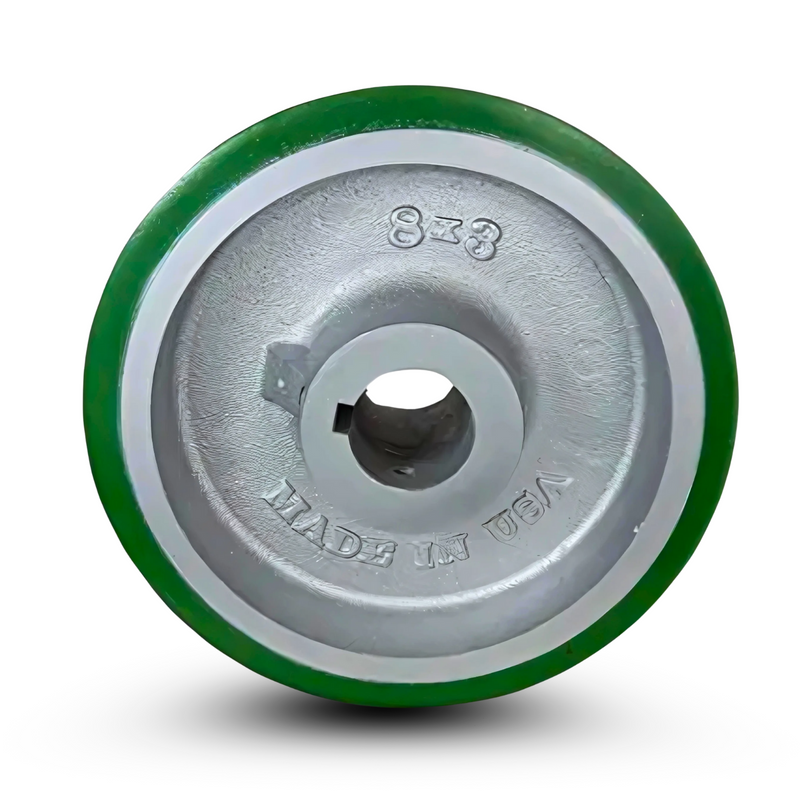
| Polyurethane 95A | Warehouse, raw slab, garage | 500-2,500 lb | Very good | Good |
| Phenolic | Heavy smooth concrete, ovens | 1,000-5,000 lb | Fair (leaves dust trail) | Excellent |
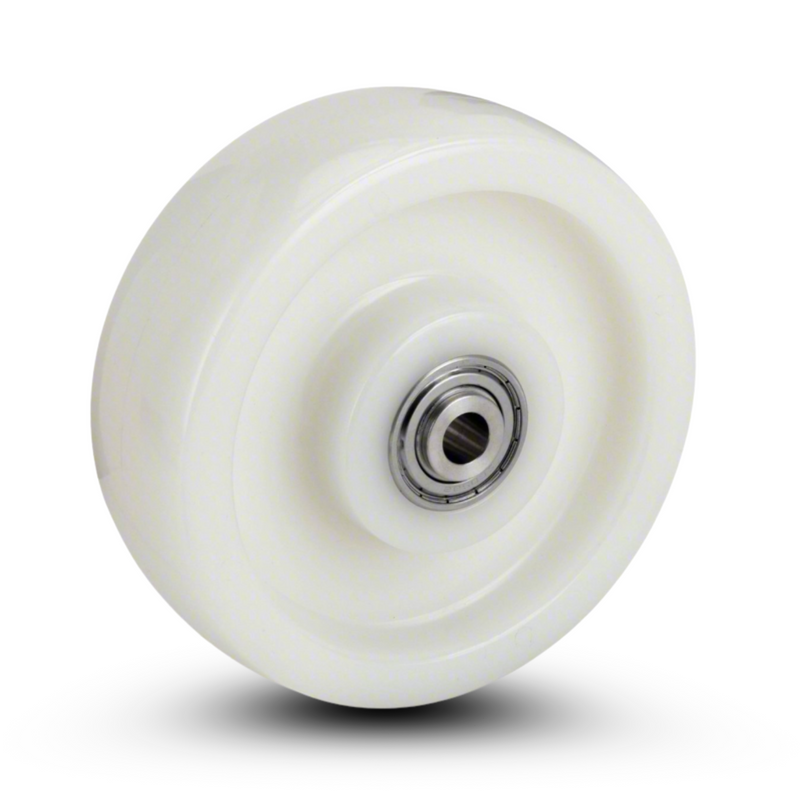
| Glass-filled nylon | Washdown, chemical bays | 800-3,500 lb | Good | Excellent |
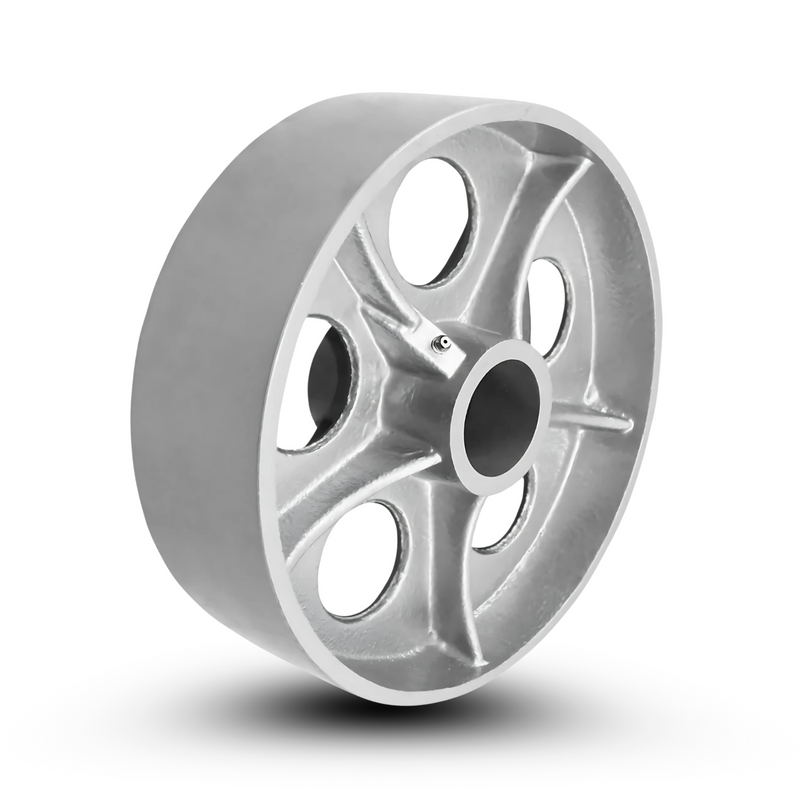
| Forged steel | Extreme load on raw slab | 2,000-40,000+ lb | Poor (marks) | Excellent |
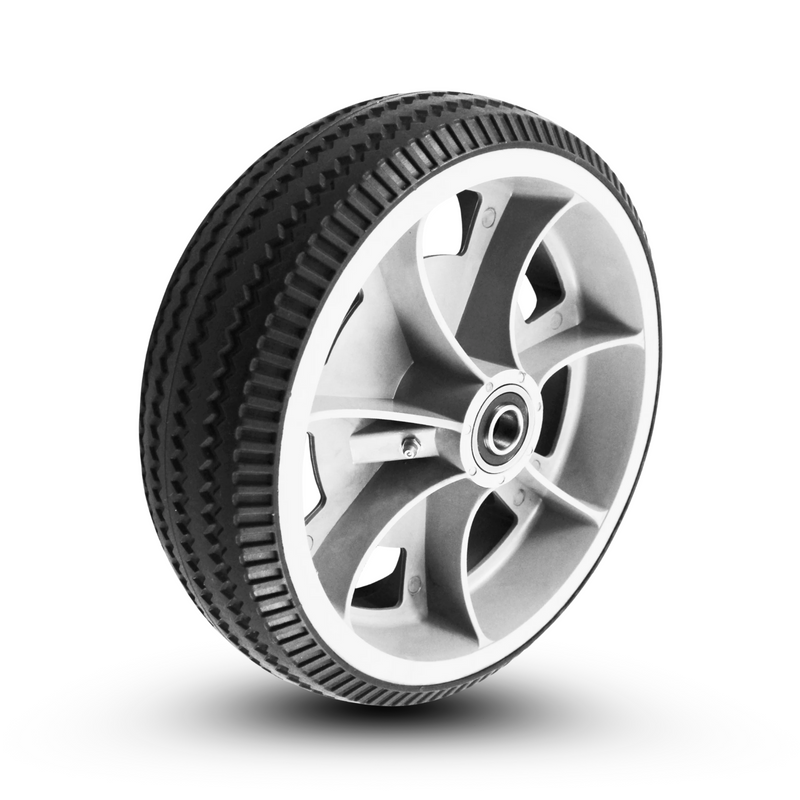
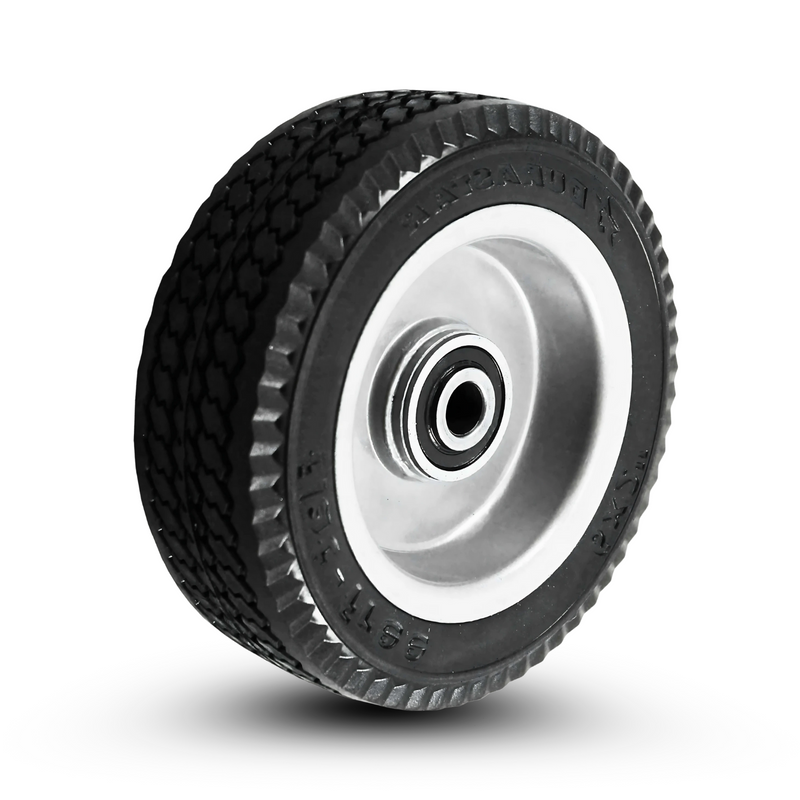
| Mold-on rubber | Cracked or uneven concrete | 200-600 lb | Excellent | Fair |
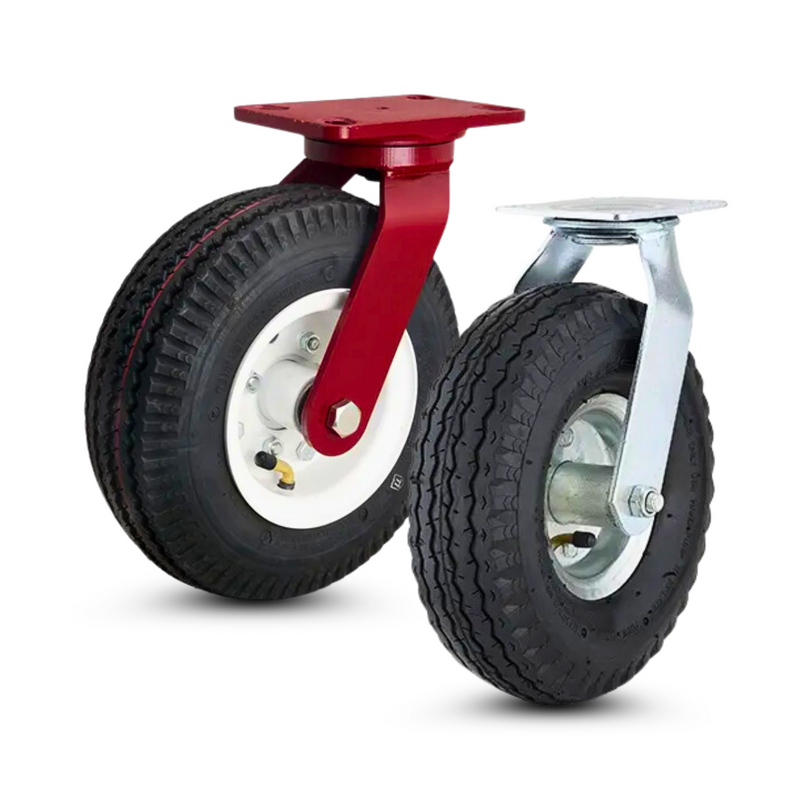
| Pneumatic | Outdoor, rough, gravel transition | 200-1,200 lb | Excellent | Fair |
Durometer drives the tradeoff inside polyurethane. Softer wheels (85A) protect finished floors and roll quieter but wear faster and push harder on high-load carts. Harder wheels (95A) carry more load and push easier but can mark softer finishes.
Sealed, Polished, and Epoxy Concrete
Polished and coated concrete is a finished floor and needs a finished-floor caster. The substrate is concrete, but the surface behaves like vinyl or sealed hardwood.
- Best wheel: 85A-90A polyurethane, non-marking white or gray tread.
- Avoid: steel, cast iron, phenolic, and any hard glass-filled nylon above 90 shore D. These mark, scratch, and abrade the finish.
- Forbidden fastener: drag chains or tow brackets that can drop to the floor; epoxy scratches are expensive.
- Durometer ceiling: 95A maximum on any epoxy or polished finish for service up to 24 months; 85A-90A for service past 24 months.
- Swivel construction: precision sealed ball bearing; raceway grease contamination on a polished floor is a housekeeping problem.
- Brake type: tread brake only; side-pedal cam brakes can score the finish when engaged.
Epoxy repair is $3-$8 per square foot. A $40 premium for a floor-safe polyurethane wheel pays back after one prevented scratch. Spec 85A-90A on any coated floor under warranty.
Raw Warehouse Slab
Raw concrete is abrasive and tolerates hard wheels. The constraint is load and debris, not floor protection.
- Default wheel: 95A polyurethane on cast-iron core. Hard enough to carry load, tough enough to ignore debris.
- High-load alternative: phenolic or glass-filled nylon for sustained 2,000+ lb per wheel.
- Extreme load: forged steel for anything 5,000+ lb per wheel; marks the slab but the slab is raw.
- Diameter floor: 6 inches minimum on raw slab. Smaller wheels get stopped by control joints (typically 1/4 to 3/8 inch gap).
- Debris guard: thread-guard on swivel kingpin and bearing shields. Slab dust and weld slag destroy standard ball bearings in 3-6 months without guards.
- Rig upgrade: kingpinless for anything over 1,500 lb static. Kingpin-style fails under the shock-cycle count raw slab delivers at control joints.
Garage and Shop Floors
Garage and shop concrete sits between raw warehouse and polished. Temperature swings, oil, coolant, and grit change the wheel spec independent of the concrete grade.
- Default wheel: 95A polyurethane. Handles oil, coolant, and thermal cycling better than rubber.
- Oil and coolant exposure: polyurethane is resistant; natural rubber swells and delaminates at prolonged exposure.
- Thermal cycling: garage floors see 0-100 degF swings seasonally. Polyurethane holds durometer within 5 points across the range; rubber hardens and chips.
- Grit and debris: shielded precision bearings; grease fittings preferred for PM access.
- Standing weight: garage carts sit for weeks. Polyurethane resists flat-spotting at static load; rubber compresses permanently.
- Tire-shop specific: avoid black rubber on painted or epoxy-striped garage floors; marks transfer.
Shop carts in commercial garage service see 3-5x the annual cycles of light industrial; spec up one load tier from the nominal rating to account for shock at thresholds, expansion joints, and floor-drain covers.
Diameter and Load Sizing
Wheel diameter and load rating work together. Under-spec on either drives premature failure.
| Total Cart Weight | Per-Wheel Load (4 wheels) | Wheel Diameter | Tread Width | Typical Wheel |
|---|---|---|---|---|
| Up to 600 lb | Up to 200 lb | 3-4 inch | 1-1.25 inch | 85A polyurethane |
| 600-1,600 lb | 200-500 lb | 4-6 inch | 1.25-2 inch | 90A polyurethane |
| 1,600-4,000 lb | 500-1,200 lb | 6-8 inch | 2-2.5 inch | 95A polyurethane |
| 4,000-8,000 lb | 1,200-2,500 lb | 8-10 inch | 2.5-3 inch | 95A poly or phenolic |
| 8,000-16,000 lb | 2,500-5,000 lb | 8-12 inch | 3-4 inch | Phenolic or forged steel |
| 16,000+ lb | 5,000+ lb | 10-14 inch | 3-5 inch | Forged steel |
Derate 20-30% on any cart that crosses control joints above 1/4 inch, loading-dock transitions, or gets stored outdoor even partially. Derate another 15-20% for 24/7 operation versus single-shift.
ICWM load ratings are at 3 mph for single-shift manual push. Powered carts over 4 mph, tow-duty, and AGV duty carry separate derate tables; those spec requirements are covered in the tow-duty and AGV guides.
Top Picks by Application
Quick-reference spec by application. Cross-reference to the sizing and material matrices above for exact wheel grade.
- Polished retail or lobby concrete: 4-inch 85A polyurethane, precision bearing, tread brake. Non-marking white or gray tread mandatory.
- Epoxy-coated workshop: 5-6 inch 90A polyurethane, sealed precision bearing. Non-marking tread.
- Raw warehouse, pallet-jack traffic: 6-8 inch 95A polyurethane on cast iron core, kingpinless rig, sealed precision bearing.
- Heavy mfg, 2,500+ lb per wheel: 8-10 inch phenolic, kingpinless forged rig, precision bearing with grease fitting.
- Washdown or chemical bay: 6-8 inch glass-filled nylon, stainless rig, sealed precision bearing, BSS stems or plates.
- Freezer or low-temp concrete (below 20 degF): high-durometer polyurethane rated for cold service, or forged steel; standard polyurethane glass-transitions around 10-15 degF.
- Garage and shop carts: 5-6 inch 95A polyurethane, sealed precision bearing, cast or ductile iron rig.
- Extreme load, 10,000+ lb per wheel: 10-14 inch forged steel, forged kingpinless rig, tapered roller bearing with grease fitting.
- Outdoor and transition to gravel or asphalt: 8-10 inch pneumatic or semi-pneumatic, forged rig, sealed precision bearing.
- Multi-surface indoor/outdoor: 6-8 inch mold-on rubber on aluminum hub, precision bearing.
Key takeaways
- Polyurethane 85A-95A handles most indoor concrete; match durometer to finish (85A for polished, 95A for raw).
- Raw warehouse slab needs 6-inch minimum diameter and kingpinless construction above 1,500 lb static.
- Polished, epoxy, and sealed concrete require 85A-90A non-marking polyurethane; steel and phenolic will mark them.
- Phenolic and forged steel take over above 2,500 lb per wheel; forged steel is the only choice past 5,000 lb.
- Glass-filled nylon is the right answer for washdown and chemical exposure on concrete; polyurethane alone fails in standing chemicals.
- Pneumatic wheels belong outdoors and on rough, cracked, or transition-to-gravel concrete; they do not belong indoors on finished floors.
Frequently asked questions
Will polyurethane wheels mark polished concrete?
Not if the durometer is 90A or lower and the tread is specified non-marking. 95A polyurethane can leave faint tread lines under heavy static load on softer polish finishes. Spec 85A-90A non-marking polyurethane for any coated or polished concrete under warranty. Steel, cast iron, phenolic, and glass-filled nylon above 90 shore D will mark polished concrete and should not be used on warranted finishes.
What's the best caster for a warehouse with cracked concrete?
6 to 8 inch mold-on rubber for loads under 600 lb per wheel, or 8 inch 95A polyurethane on cast iron core for loads above. Diameter is the important spec with cracked concrete; the wheel has to bridge the crack without cogging. Undersized wheels slam at every crack and the shock count drives premature bearing failure even before the wheel itself wears out. Measure the widest crack and size diameter to at least 4x the crack width.
Do I need different casters for polished concrete vs sealed concrete?
Usually no. Both are finished surfaces and both want non-marking 85A-90A polyurethane. The difference is hardness: polished concrete is physically harder at the surface than sealed concrete because the polish is the concrete itself, densified and ground smooth; sealed concrete has a topical sealer over the raw surface. Polished concrete tolerates slightly harder wheels (up to 90A with less risk); sealed concrete is softer and should stay at 85A-88A for long service.
How do forged steel wheels handle concrete?
Forged steel wheels handle the load but mark the concrete. Raw slab tolerates the marks; finished concrete does not. Forged steel is the right spec above 5,000 lb per wheel on raw warehouse concrete, coil-handling yards, aerospace assembly tooling, and heavy manufacturing. It is never the right spec on polished, epoxy, or sealed concrete. If load requires forged steel on a finished floor, the floor spec is wrong; move the operation to raw concrete or specify a floor replacement that handles the load.
What size wheel do I need for a 2,000 lb cart on concrete?
6 to 8 inch diameter, 95A polyurethane on cast iron core, 4 wheels total (500 lb per wheel nominal, specified to 700-800 lb per wheel to account for single-wheel loading at thresholds and turns). Kingpin rig is adequate; kingpinless preferred for 24/7 duty. If the cart crosses control joints above 3/8 inch, step up to 8 inch. If the cart sees dock transitions or outdoor exposure, derate 20% and consider phenolic or forged steel.
Are pneumatic wheels ever right for indoor concrete?
Only for transition carts that also run outdoor. Pneumatic wheels carry less load per inch of diameter, require air pressure maintenance, and wear fast on raw concrete. For indoor-only concrete, polyurethane or mold-on rubber outperforms pneumatic at every load point. The right use case is a cart that runs 70 percent outdoor gravel and 30 percent indoor concrete; pneumatic handles the outdoor, and the concrete portion is short enough that wear is tolerable.
Spec the Right Concrete Caster
CasterHQ specs wheel material, diameter, rig, and bearing for your exact concrete type and load profile. Tell us the concrete finish (raw, sealed, polished, epoxy), the cart weight, and any chemical or temperature exposure. We return a procurement-grade spec with expected-life math so the caster matches the floor and the load, not just one of them.
References & Standards Cited
- ASTM D2240 rubber durometer Shore A/D hardness reference
- ASTM C779 standard test method for abrasion resistance of horizontal concrete surfaces
- ICWM caster performance testing reference, 2024 edition
- ANSI MH31.1 caster dimensional and performance testing
- ABMA 9 precision rolling-bearing grade reference
- CasterHQ 2024-2025 concrete-floor return and failure database, 12,400+ units
- CasterHQ bench-test floor-marking and abrasion studies 2023-2025
Was this guide helpful?
Need help spec'ing the right caster?
Our engineering team handles fitments, custom builds, and capacity upgrades. Same-day RFQ response, Texas warehouse, fast shipping on standard sizes.
Shop All CastersCall 844-439-4335Jordan Wilson
Founder of CasterHQ.com. Works directly with engineers, MRO buyers, and procurement teams across material handling, healthcare, food service, aerospace, and OEM. CasterHQ stocks Albion, Hamilton, P&H, Colson, Faultless, and the in-house Durastar series from a Texas warehouse and retrofits OEM fitments from dimensional drawings when brands discontinue parts.